.JPG)
Oliver Wine Region
Canada’s Warmest Wine Heartland
(and the Place That Changed Everything)
Oliver is where the Okanagan Valley becomes straightforward.
Hot summers. Dry air. Strong sunlight. Deep soils.
And vineyards that don’t have to fight for attention, they just have to survive and ripen properly.
This is one of the most important wine regions in Canada, not because it’s complicated, but because it’s reliable in a climate that pushes grapes to their limits.
.JPG)
A Farming Region First, a Wine Region Second
Before wine, Oliver had agriculture.
Fruit orchards, mixed farming, irrigation projects, this was a working valley long before vineyards took over.
The land was shaped to produce food in a dry environment, and that infrastructure is still the backbone of everything today.
That farming history matters.
It explains why vineyards here are so efficient and why water management is such a big part of wine quality.
Oliver didn’t start as a wine region. It became one.
.JPG)
Climate: Hot Days, Cool Nights, Strong Growth
Oliver is one of the warmest parts of the Okanagan Valley.
Summer is long and hot, with very little rain.
That heat helps grapes ripen fully and build strong flavor.
However, nights cool down quickly, and that drop in temperature is what keeps the wines fresh instead of overly heavy.
It’s a simple but powerful balance: ripeness from the sun, structure from the cold nights.
.JPG)
The Benches: Where the Best Vineyards Sit
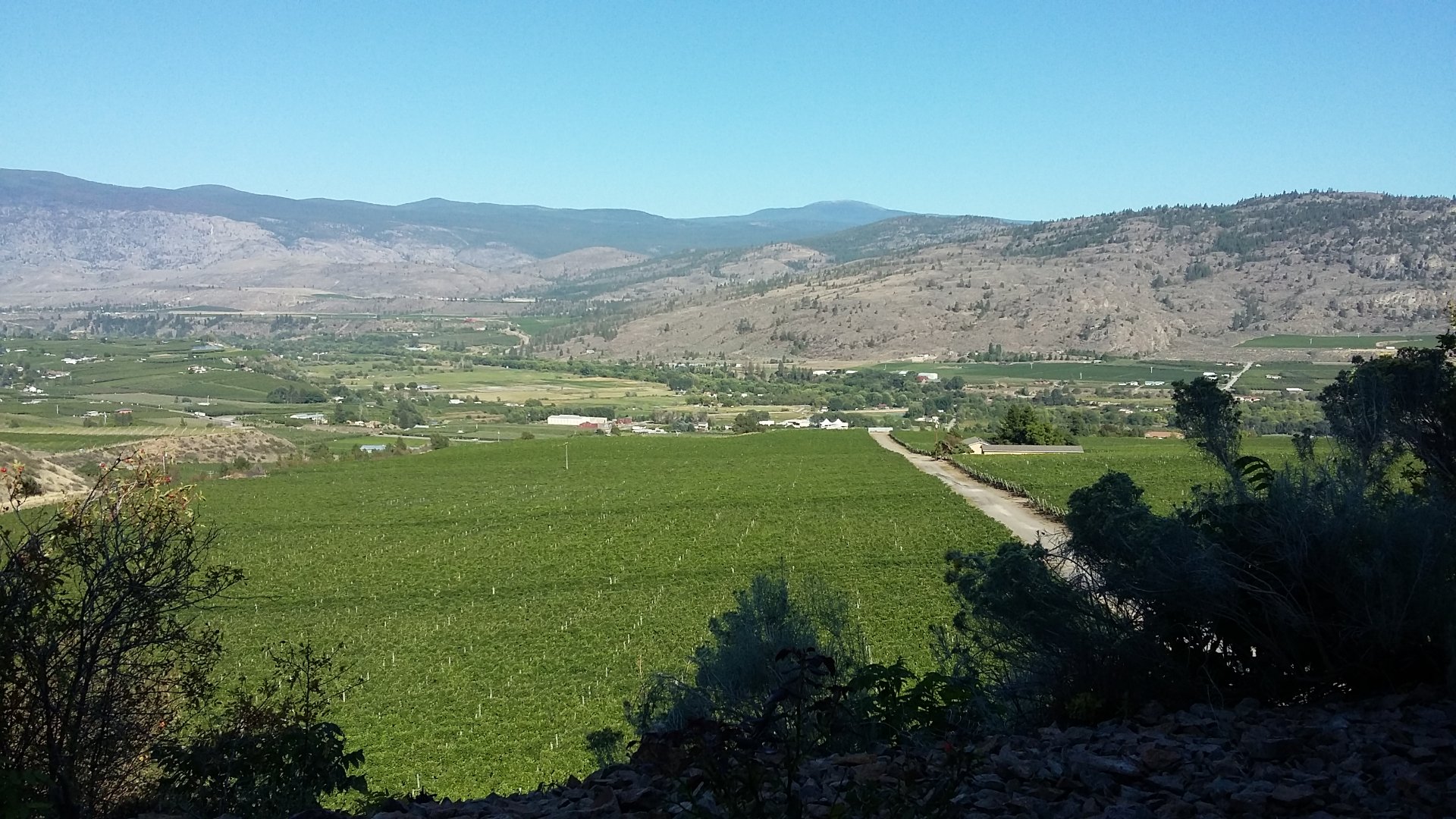
Much of Oliver’s best wine comes from its benches, raised areas of land above the valley floor.
These sites drain well, get more sun exposure, and force vines to work harder.
That usually means better fruit concentration and stronger structure in the wine.
The Golden Mile Bench is especially important.
It’s one of the most recognized wine areas in Canada for good reason.
Soils: Dry, Rocky, and Fast Draining
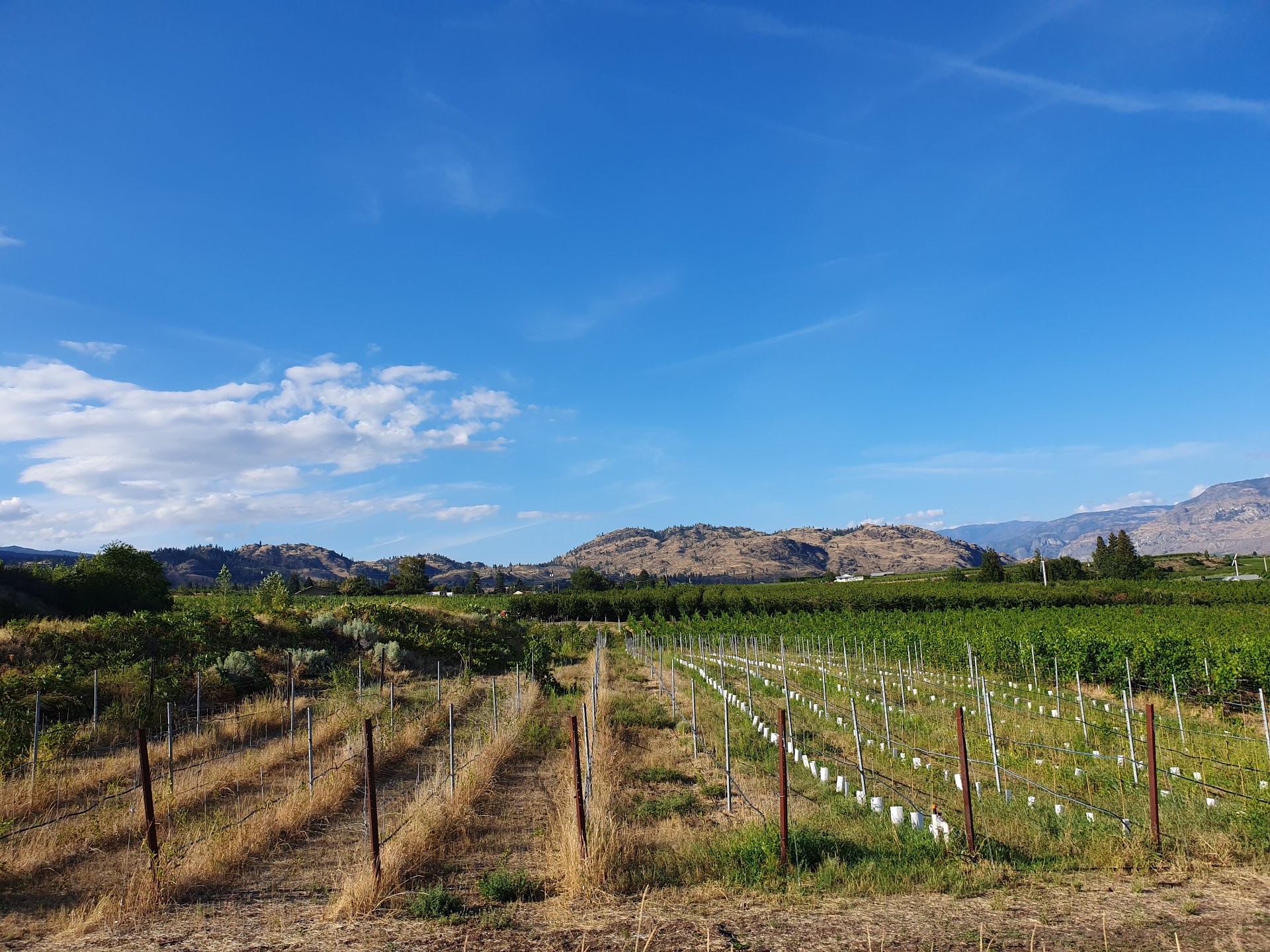
Oliver soils are mostly gravel, sand, and ancient glacial material.
They don’t hold water for long, which is perfect for a hot, dry region.
Vines have to dig deep to survive, and that stress improves grape quality.
The result is wines with concentration and clarity rather than softness or dilution.
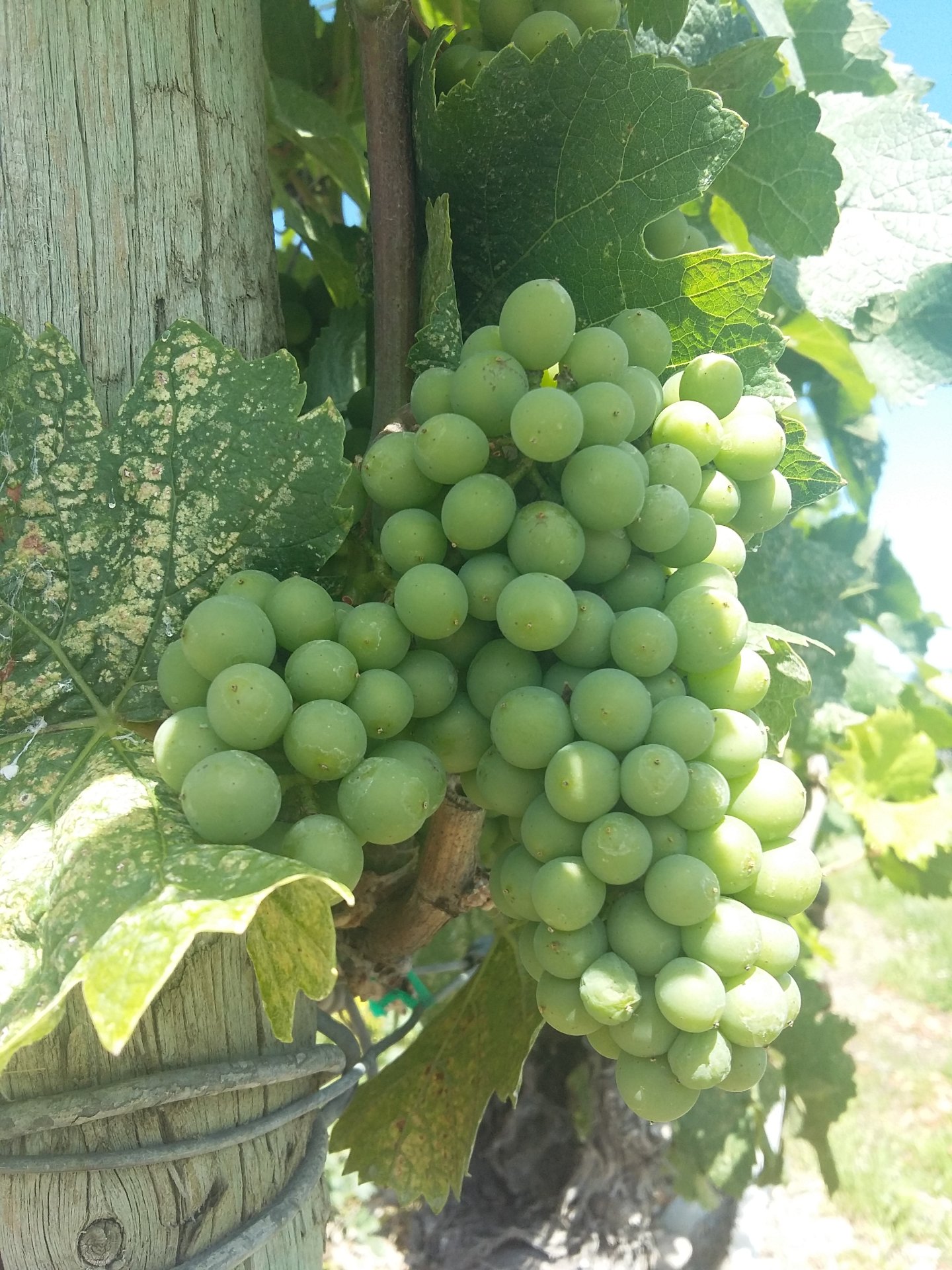
Grapes That Work Best Here
Oliver is not a “try everything and see what sticks” region anymore.
It has settled into a clear identity shaped by heat, sunlight, and controlled water stress.
Syrah
Arguably the standout red here.
It thrives in the heat, producing dark, spicy wines with real density and a savory edge that keeps them from becoming one-dimensional.
Cabernet Sauvignon and Merlot
These are serious players in Oliver.
Not experimental, not marginal, fully integrated into the region’s identity.
Expect ripe black fruit, firm tannins, and surprisingly good aging potential when handled properly.
Cabernet Franc
Often overlooked, but quietly excellent.
It brings structure and aromatic lift, especially useful in blends.
Chardonnay
In the right sites, Chardonnay here is broader, richer, and more textured than in cooler parts of the valley.
Oak use tends to be more confident, sometimes even bold.
Viognier & Aromatic Whites
These do particularly well in the heat, producing expressive, floral wines that lean into generosity rather than restraint.
Wineries: A Mix of Legacy and Experimentation
Oliver’s wine scene isn’t new, and that matters.
This is one of the most established winery clusters in the Okanagan, with producers who have had time to refine their approach instead of constantly reinventing it.
Wineries like Burrowing Owl Estate Winery and Tinhorn Creek Vineyards helped define the region’s identity, building consistency and strong vineyard-focused wines.
Black Hills Estate Winery is known for its highly regarded Bordeaux-style blend “Nota Bene,” which set a benchmark for premium winemaking in the area.
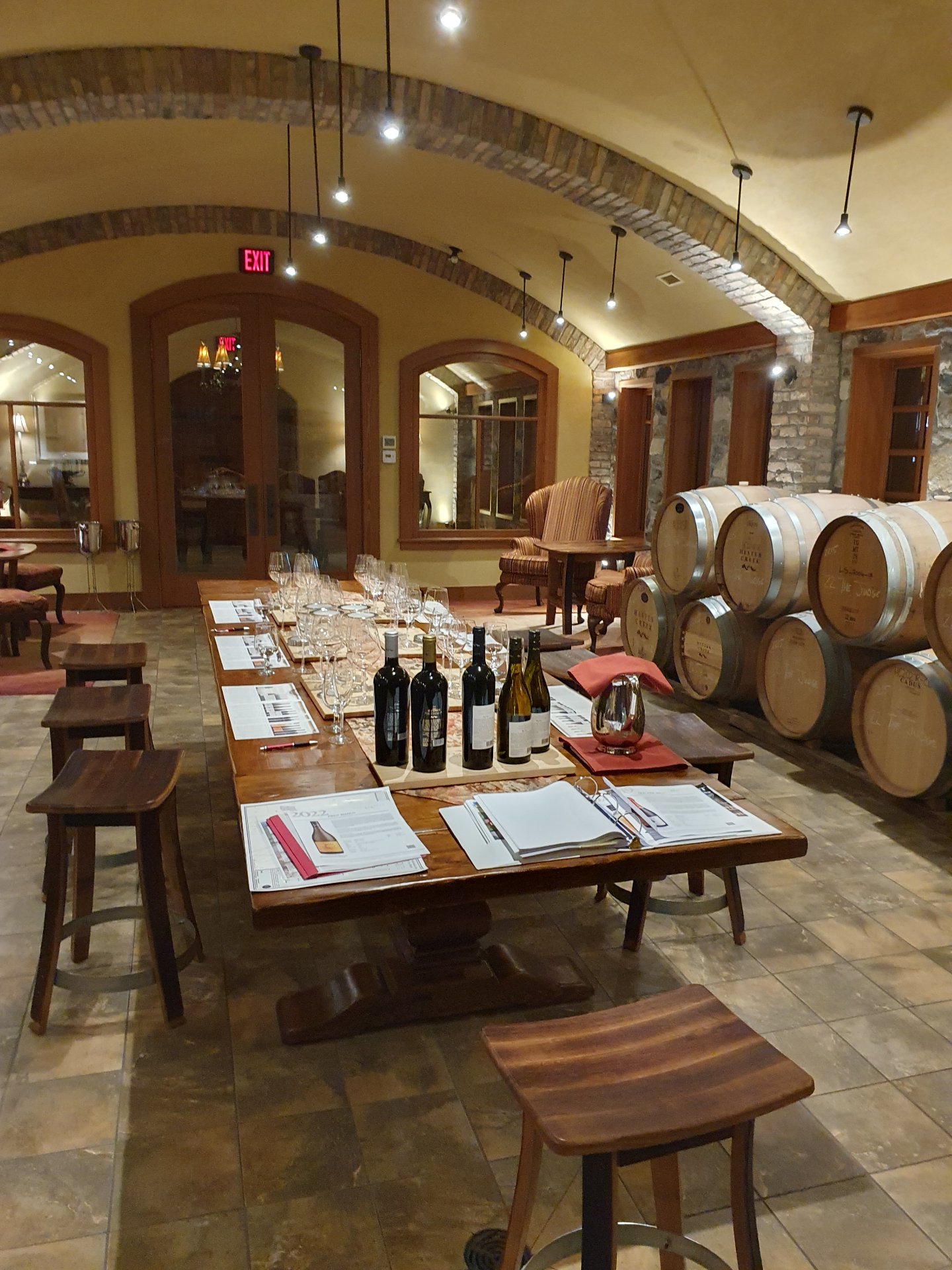
Hester Creek Estate Winery brings a slightly different style, often influenced by Old World winemaking and food-friendly wines.
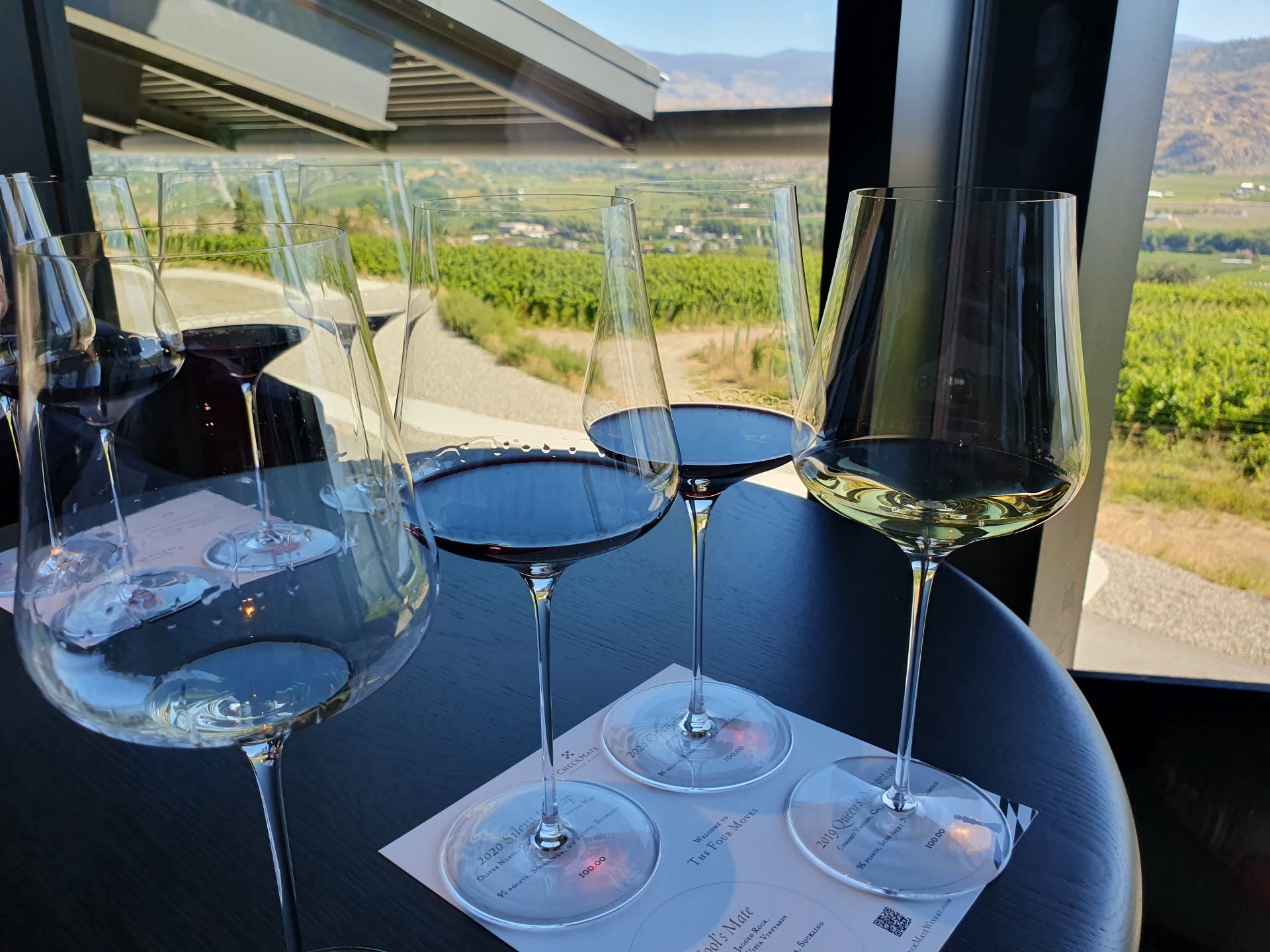
At the same time, newer wineries continue to push stylistic boundaries, especially in organic farming, small-lot production, and terroir-focused winemaking - Red Barn, Stoneboat, Checkmate.
The result is a region that feels stable without being static.
That balance is rare.
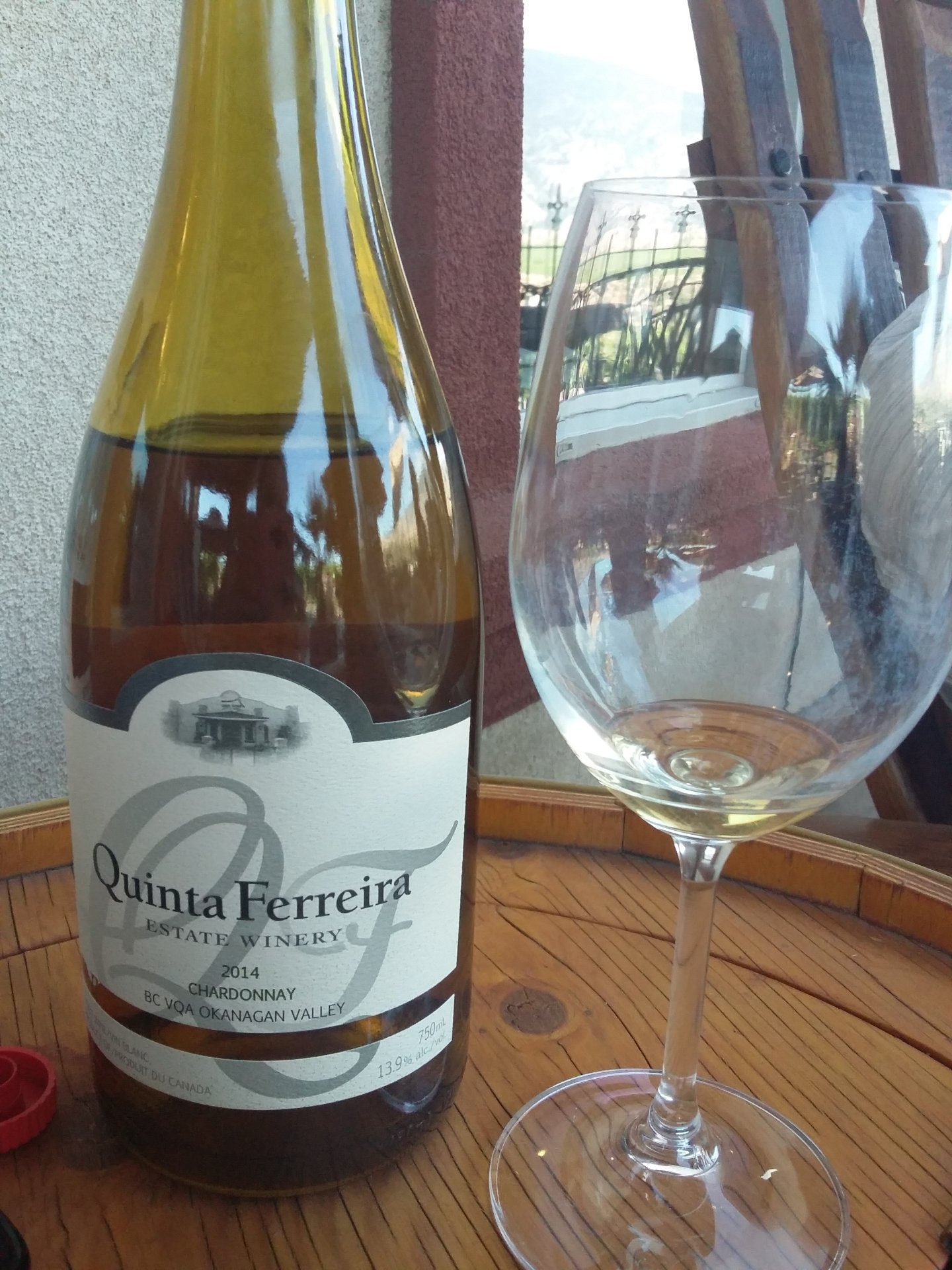
Terroir in Oliver: Less Theory, More Reality
Terroir gets talked about endlessly in wine, often in ways that feel abstract.
In Oliver, it’s very physical.
Heat you can feel through the glass.
Soil you can see in the vineyard rows.
Irrigation decisions that directly shape fruit concentration.
Wind patterns that influence disease pressure and vine health.
Nothing here is subtle at the vineyard level.
Which is why the best wines are not subtle either, but they are controlled.
That distinction matters.
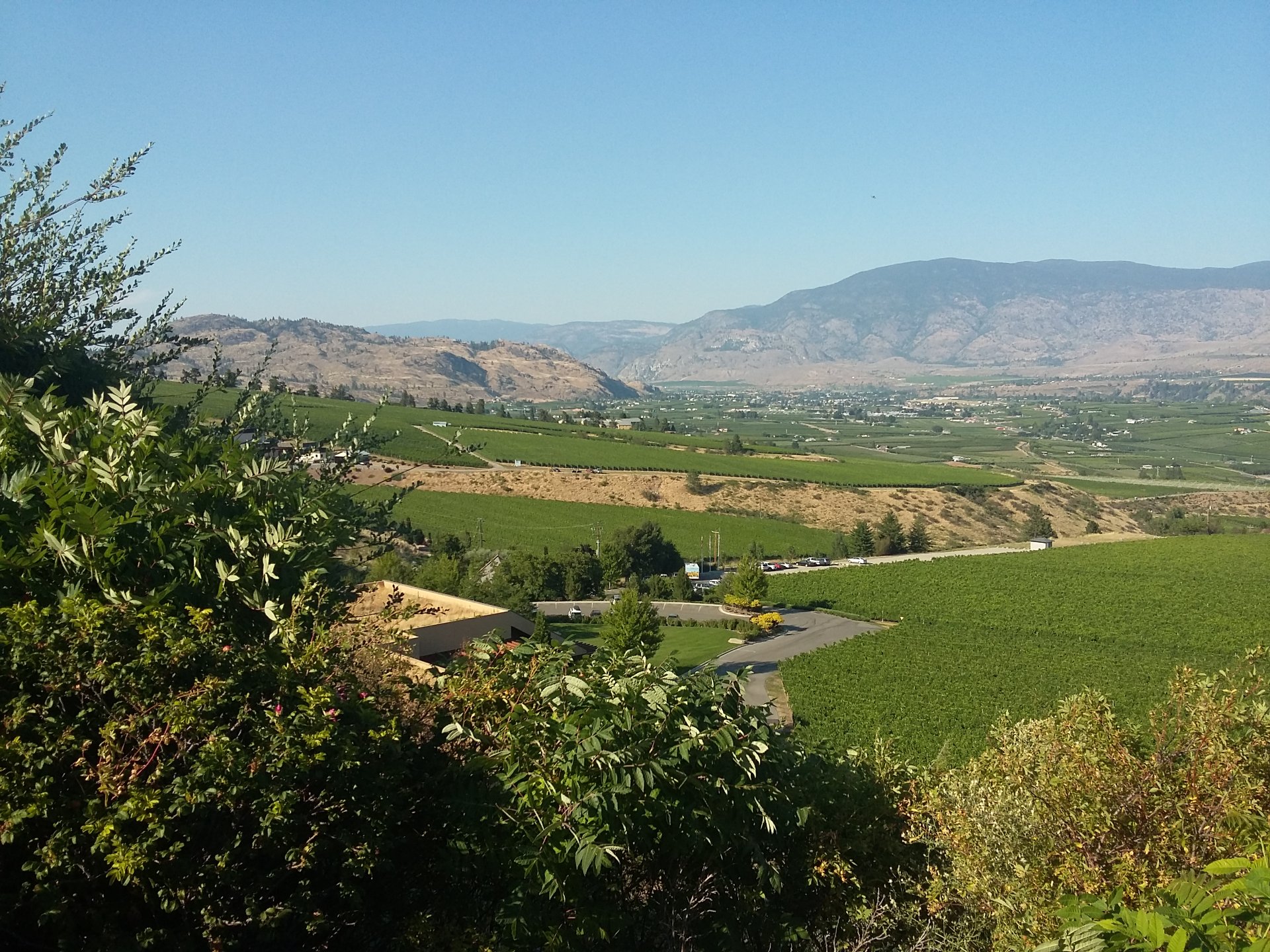
What Norwegian Tourists Should Know Before Visiting
If you’re coming from Norway, Oliver will feel like a different climate universe entirely.
A few things worth knowing before you arrive:
The heat is real, not “warm-weather nice”
Summer afternoons can be intense.
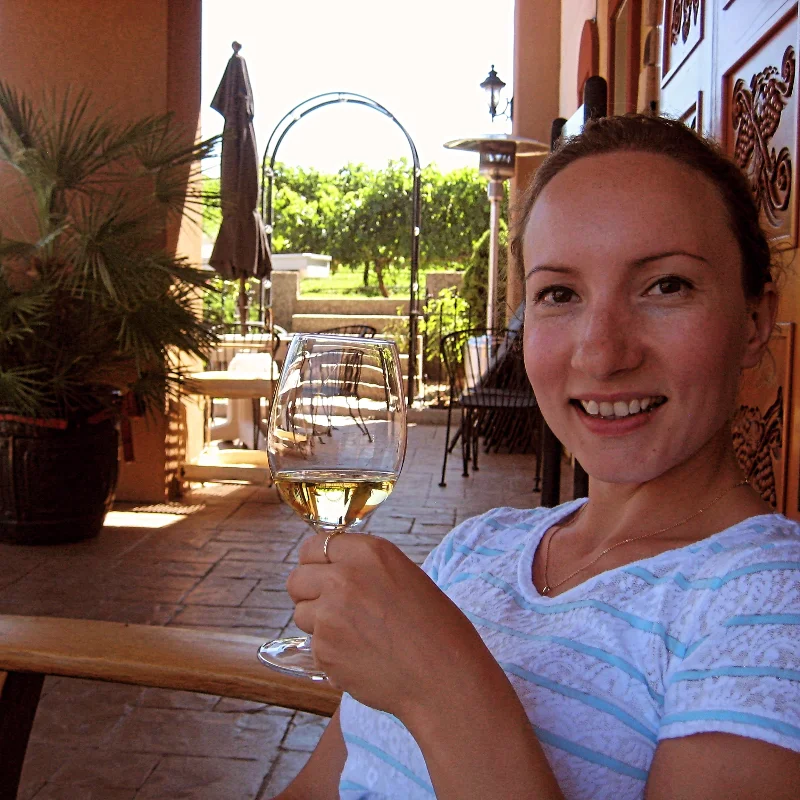
So it’s always a good idea to find a shadow during the afternoon heat, like a patio at a winery with a chilled bottle of something delicious.
This is a desert-adjacent wine country.
Bring enough clothing for both hot days and cool evenings.
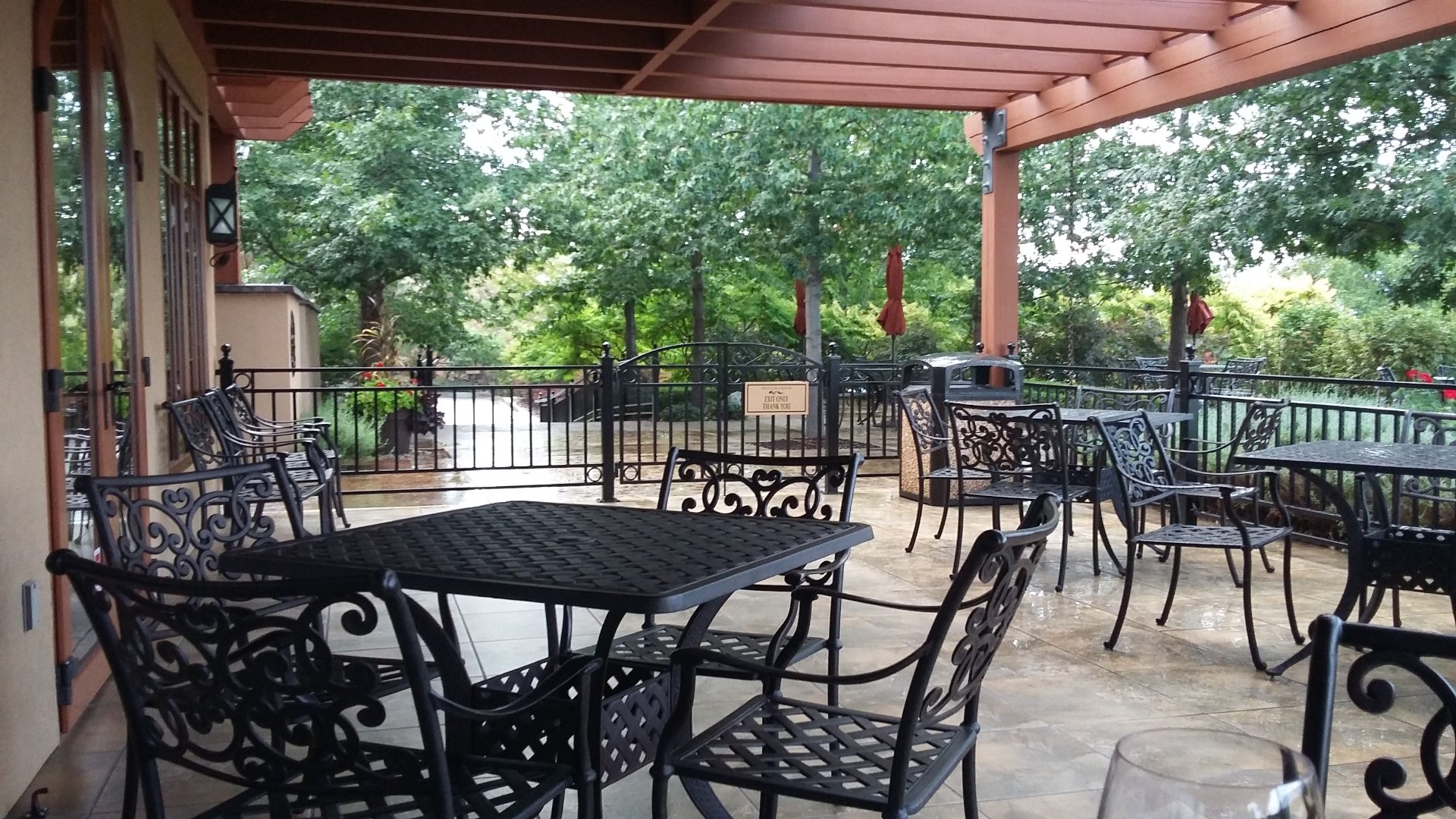
Wine tasting distances are bigger than you expect
Wineries are spread out.
This isn’t a walkable wine village.
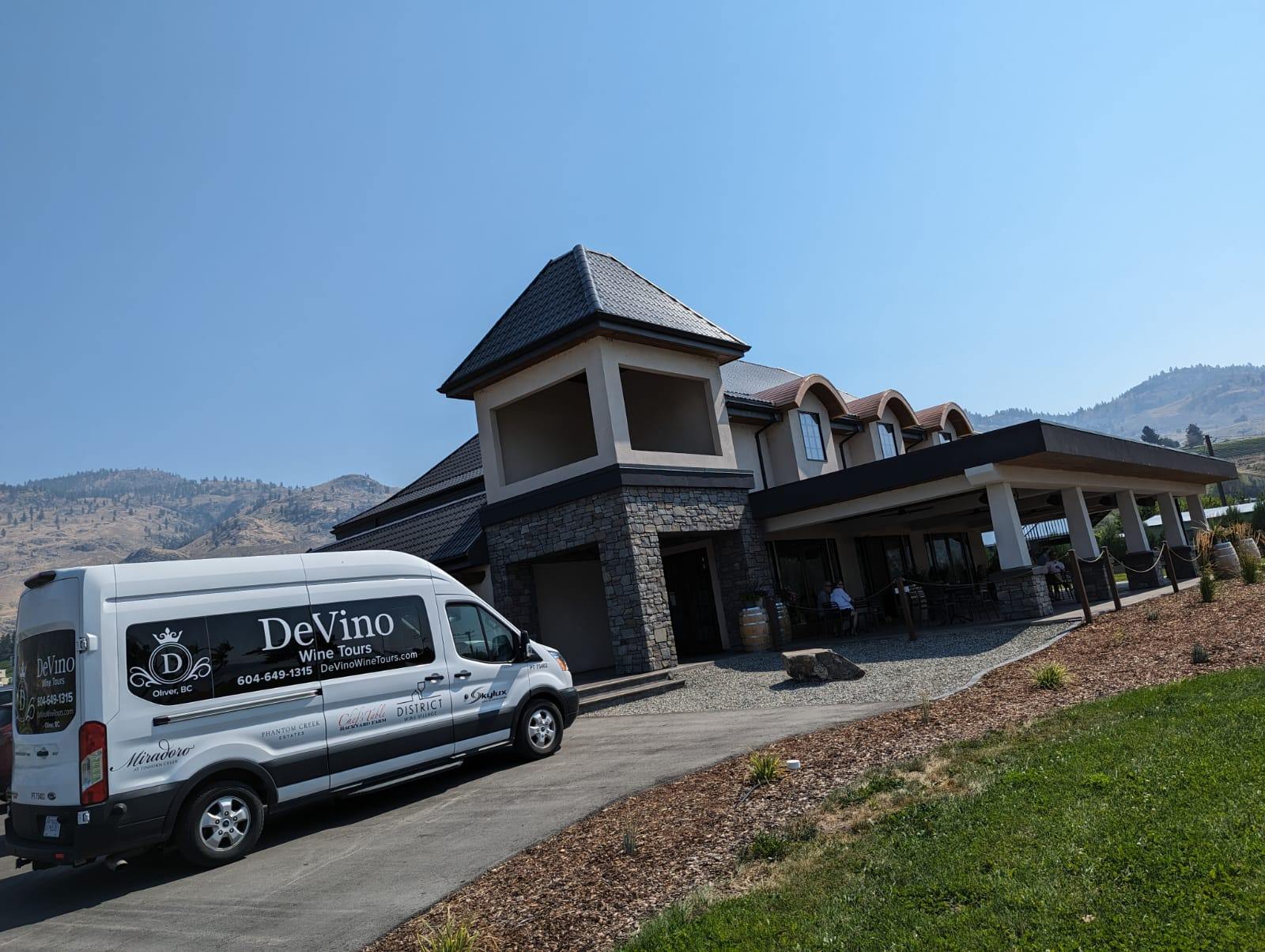
You’ll want a car or guided tour, and you should plan fewer stops than you think.
Rent a car in Vancouver and do the scenic drive through the Crowsnest Highway down to Oliver.
One local tour guide that gives the most excellent service and is located in Oliver - DeVino Wine Tours. Book in advance.
Hydration is not optional
This sounds obvious, but people underestimate it constantly.
Water between tastings isn’t a suggestion, it’s part of the experience.
Don’t rush the reds
Oliver reds, especially Syrah and Cabernet, open up differently in the glass than cooler-climate wines.
Give them time. Let them sit.
The reward is usually in the second half of the bottle, not the first sip.
Expect generosity, not restraint
If you’re used to cooler European wines, Oliver wines might feel bold or even “big.”
That’s not a flaw. It’s climate expression.
Why Oliver Matters More Than People Admit
There’s a tendency to treat Oliver as just the “hot zone” of the Okanagan, as if warmth alone defines it.
That misses the point completely.
Oliver is one of the most complete wine ecosystems in Canada: climate, soil, irrigation infrastructure, vineyard history, and winemaking expertise all aligned in a way that doesn’t happen by accident.
It produces wines with clarity of intent. Not confusion. Not compromise. Intent.
And that’s why it has become such a cornerstone of the Okanagan identity.
Oliver doesn’t need to prove it belongs in the conversation anymore.
It already set the terms.
Hot climate, structured farming, serious reds, and whites that know exactly what they’re doing.
This is a region that understands its strengths and leans into them without hesitation.
And in a country still defining its global wine voice, that kind of confidence is not just impressive.
It’s essential.
See also: The Villa at Hester Creek
See also: okanagan wine guide
See also: Black Sage Road Wineries
See also: osoyoos wine country
See also: Oliver, BC: The Benches That Define Canada’s Boldest Wines
See also: Wines of Okanagan Falls
See also: Okanagan Wine Regions Explained
See also: Best Wineries of the Okanagan Valley
See also: British Columbia Wine Institute
See also: Visit Oliver
See also: eat oliver