Okanagan Wine Regions Explained: A Valley That Refuses to Be One Thing
Trying to understand the Okanagan as a single wine region is a mistake people keep making.
It looks simple on a map, just a long ribbon of vineyards stretching through British Columbia, but in reality it behaves like several completely different wine countries stitched together by a lake and a highway.
And that’s exactly where its strength lies.
Once you stop expecting uniformity, the Okanagan starts to make a lot more sense, and a lot more interesting wine.
Let’s break it down properly.
160 km-valley, around 240 wineries, lots and lots of microclimates.
The Big Idea: One Valley, Multiple Climates, Zero Consistency
The Okanagan isn’t a neat European appellation with strict rules and predictable outcomes.
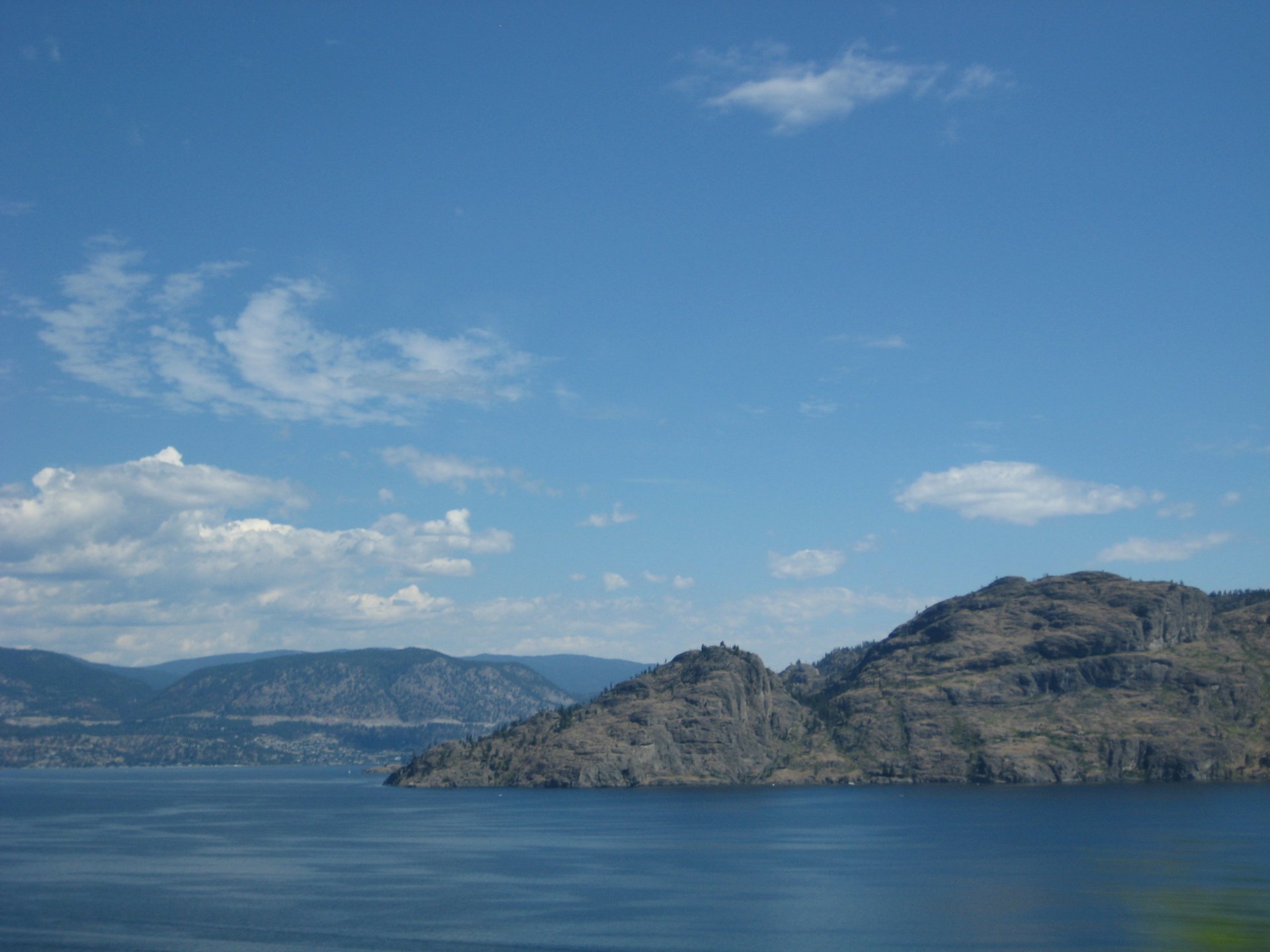
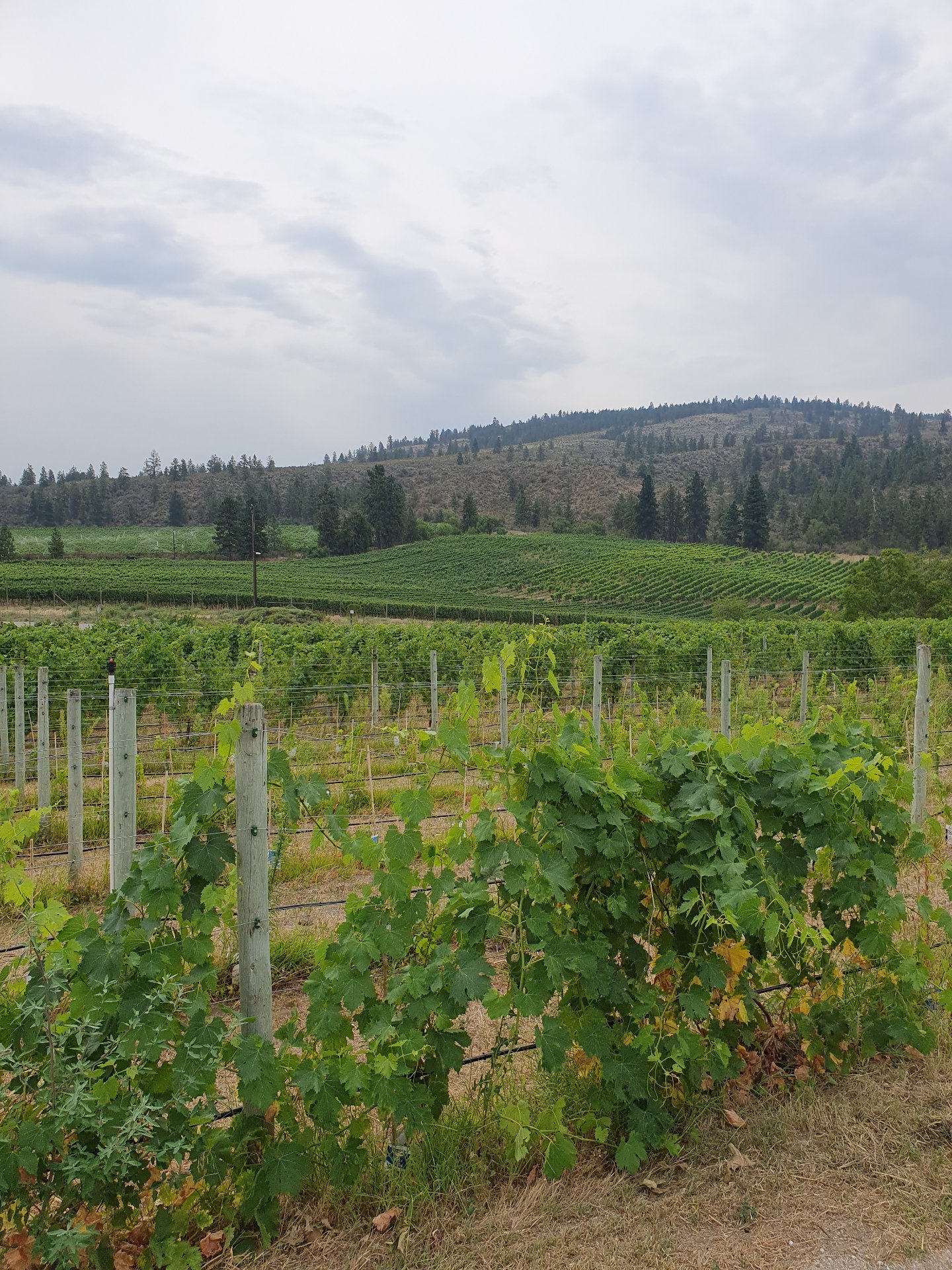
It’s a patchwork of microclimates shaped by elevation, wind patterns, soil variation, lake influence, and sheer geography.
That means two vineyards only a short drive apart can produce wines that feel like they belong in different countries.
And frankly, that unpredictability is the point. The region doesn’t reward lazy generalizations.
It rewards attention.
Kelowna & the Central Lakeshore: Polished, Reliable, and Often Underrated
Around Kelowna, the valley feels more structured.
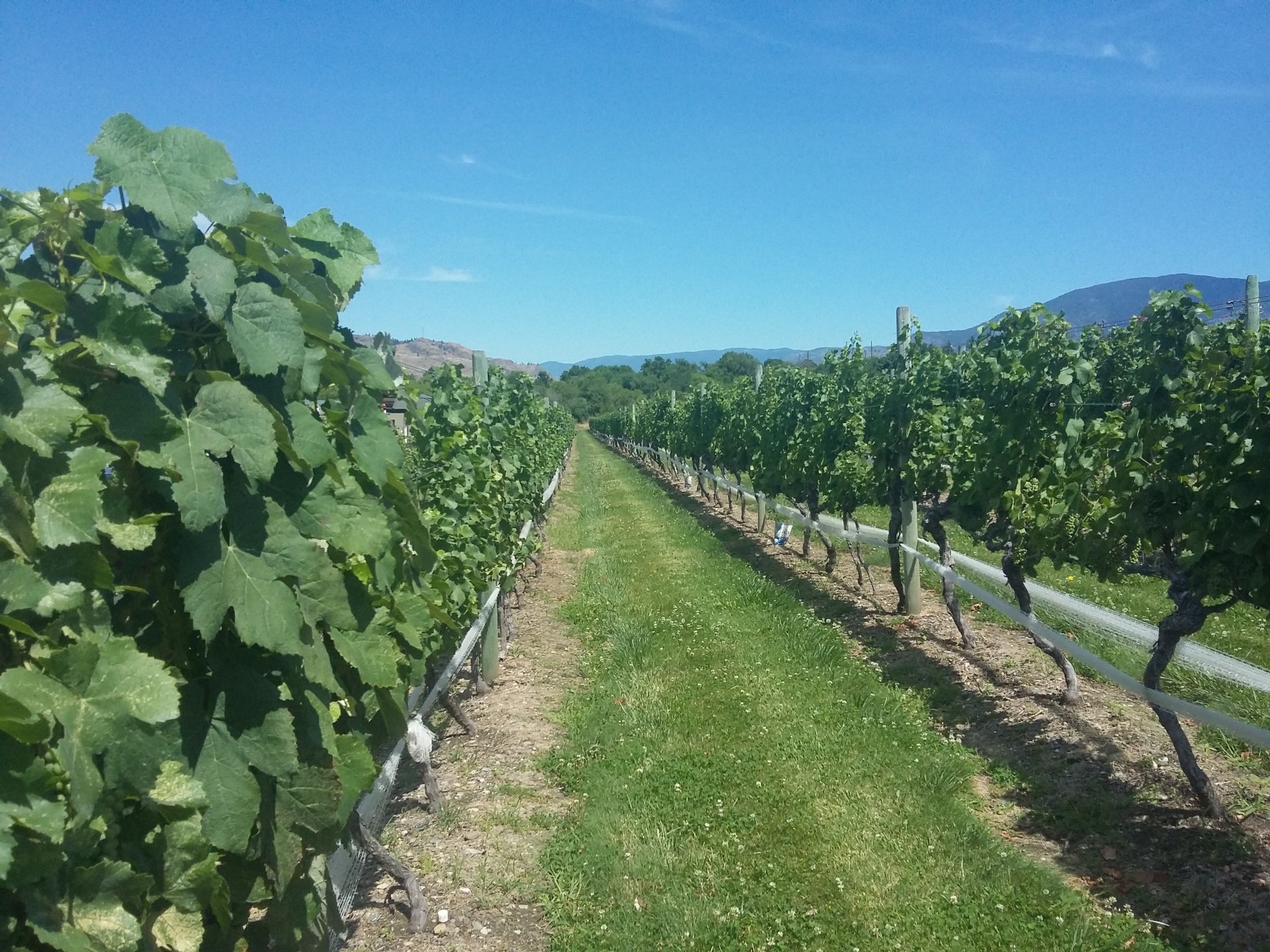
Vineyards sit along and above the lake, benefiting from moderating temperatures and a slightly longer growing season than people expect this far north.
Wines here tend to lean clean and balanced, think aromatic whites, well-structured Chardonnay, and Pinot Noir that favors finesse over power.
What’s often missed is how consistent this area has become.
Some critics still treat it like a “starter zone” for the Okanagan. That view is outdated.
The best producers here are making wines with real precision and restraint, less flashy than the south, but arguably more reliable bottle after bottle.
If anything, Kelowna is the quiet backbone of the valley.
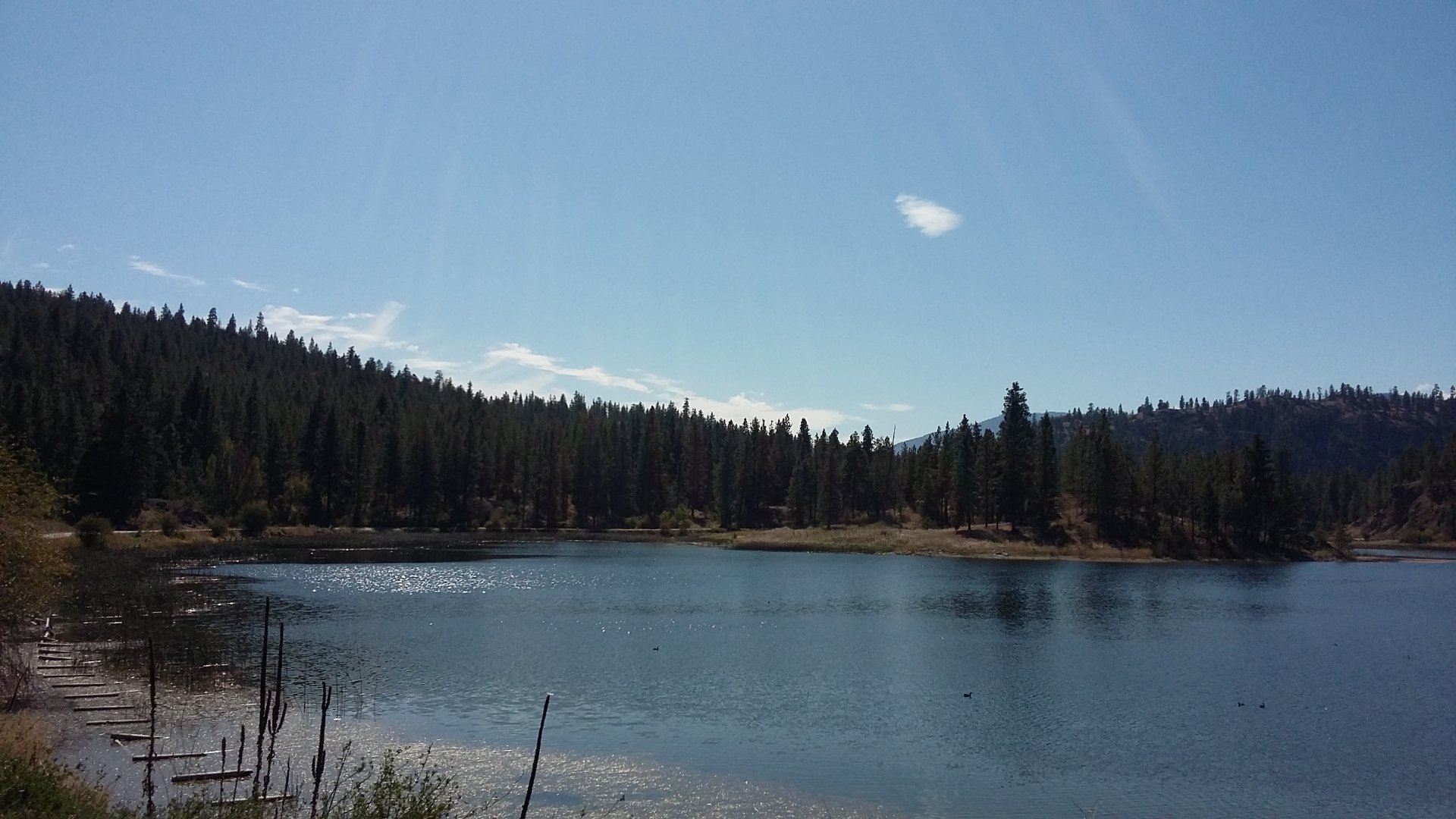
The Naramata Bench: Where the Okanagan Gets Serious
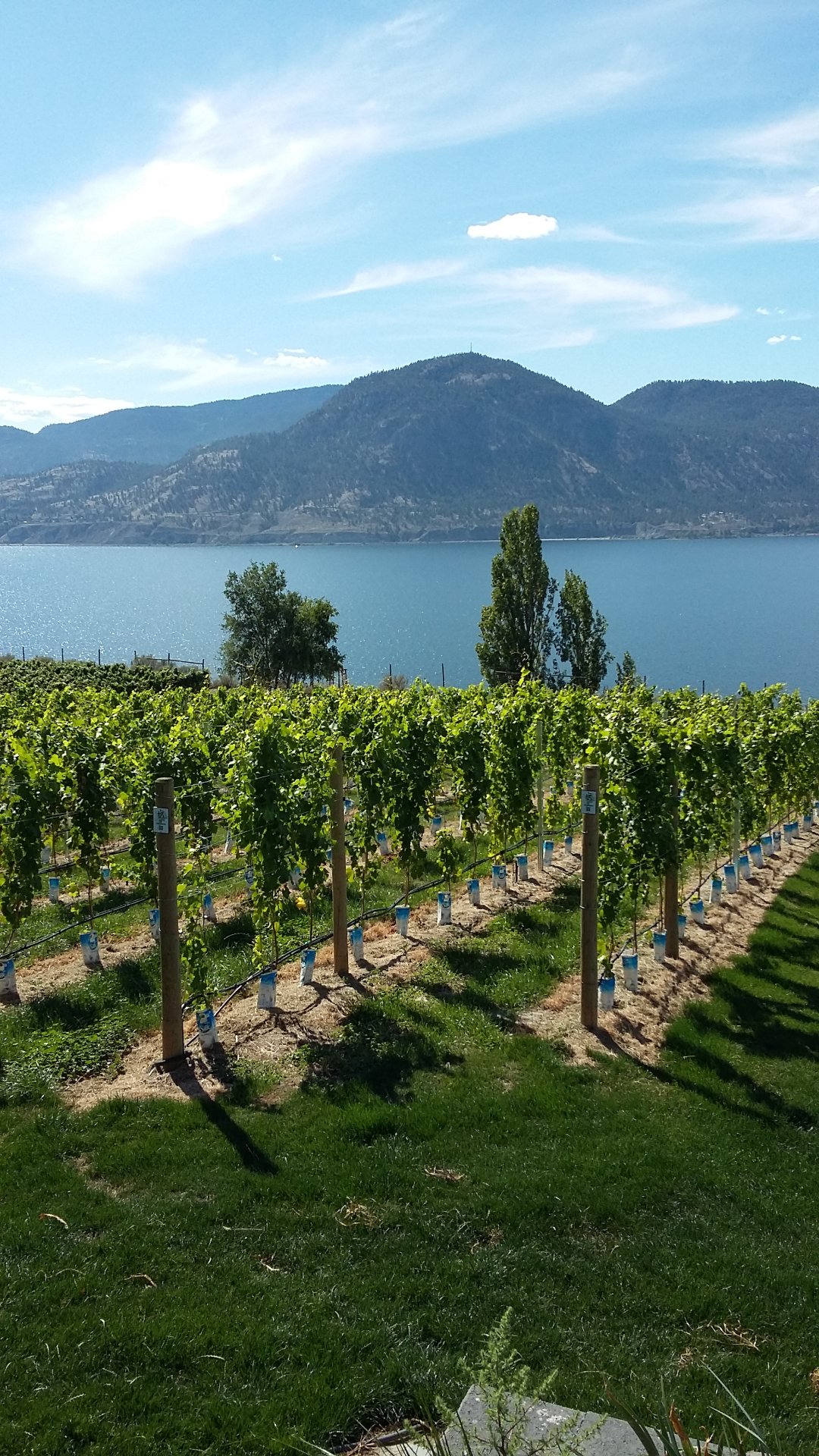
If there is a place that defines modern Okanagan wine identity, it’s the Naramata Bench near Penticton.
This narrow strip of vineyards clings to the hillside above Okanagan Lake, catching sunlight, draining water efficiently, and forcing vines to struggle just enough to produce character.
And you can taste that struggle, in the best way possible.
Wines here tend to have more texture, more concentration, and more confidence.
Riesling is electric. Pinot Noir can be hauntingly good when handled properly.
Even Merlot and Cabernet Franc start to feel like they actually belong in the conversation here.
This is also where ambition shows up.
Winemakers don’t just aim for “good Okanagan wine” here.
They aim for recognition beyond Canada.
And some of them are already there.
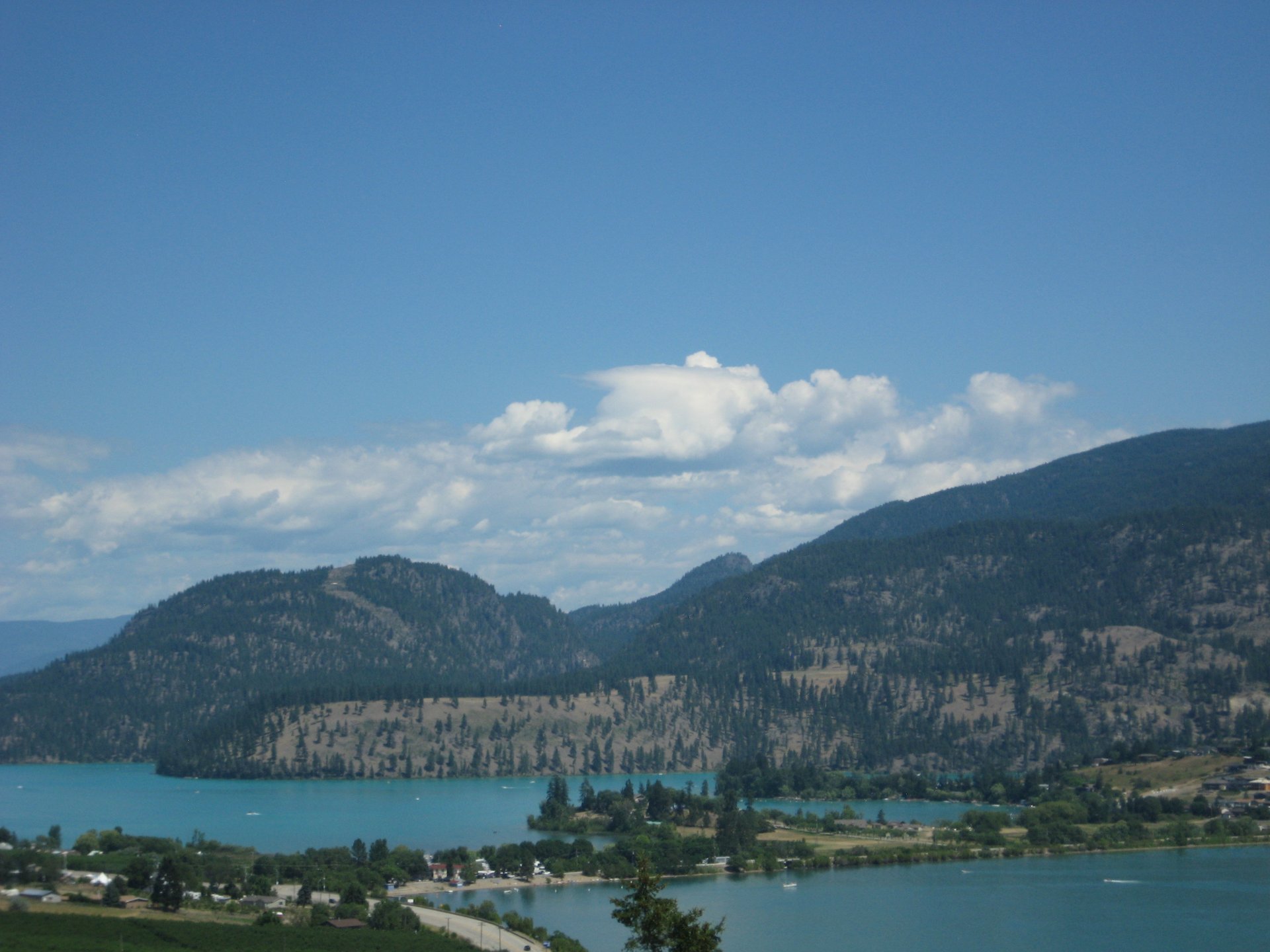
Summerland: The Quiet Thinker’s Region
Summerland doesn’t shout for attention, and that might be why it’s so interesting.
Tucked between better-known zones, it produces wines that feel thoughtful rather than dramatic.
There’s a restraint here that often gets mistaken for simplicity, but that’s not accurate.
This is a place where Chardonnay and aromatic whites do particularly well, often showing clarity and a kind of understated elegance that doesn’t need to prove anything.
If Naramata is ambition, Summerland is patience.
And patience, in wine, is rarely boring.
Golden Mile & Black Sage: The Heat Engine of the South
Move south and everything changes.
This is where the Okanagan becomes unmistakably warm, dry, and powerful.
The Golden Mile Bench and Black Sage Bench are among the most important red wine territories in Canada.
The difference is immediate: riper fruit, deeper color, firmer tannins, and a sense of density that northern sites can’t replicate.
Cabernet Sauvignon, Syrah, and Merlot thrive here in a way that feels almost unexpected for Canada.
These aren’t “cool-climate interpretations.” These are serious, structured reds that demand attention.
And let’s be honest, this is the part of the valley that changed outsiders’ expectations the most.
People come expecting delicate wines and leave talking about power and ripeness.
That shift matters.
.JPG)
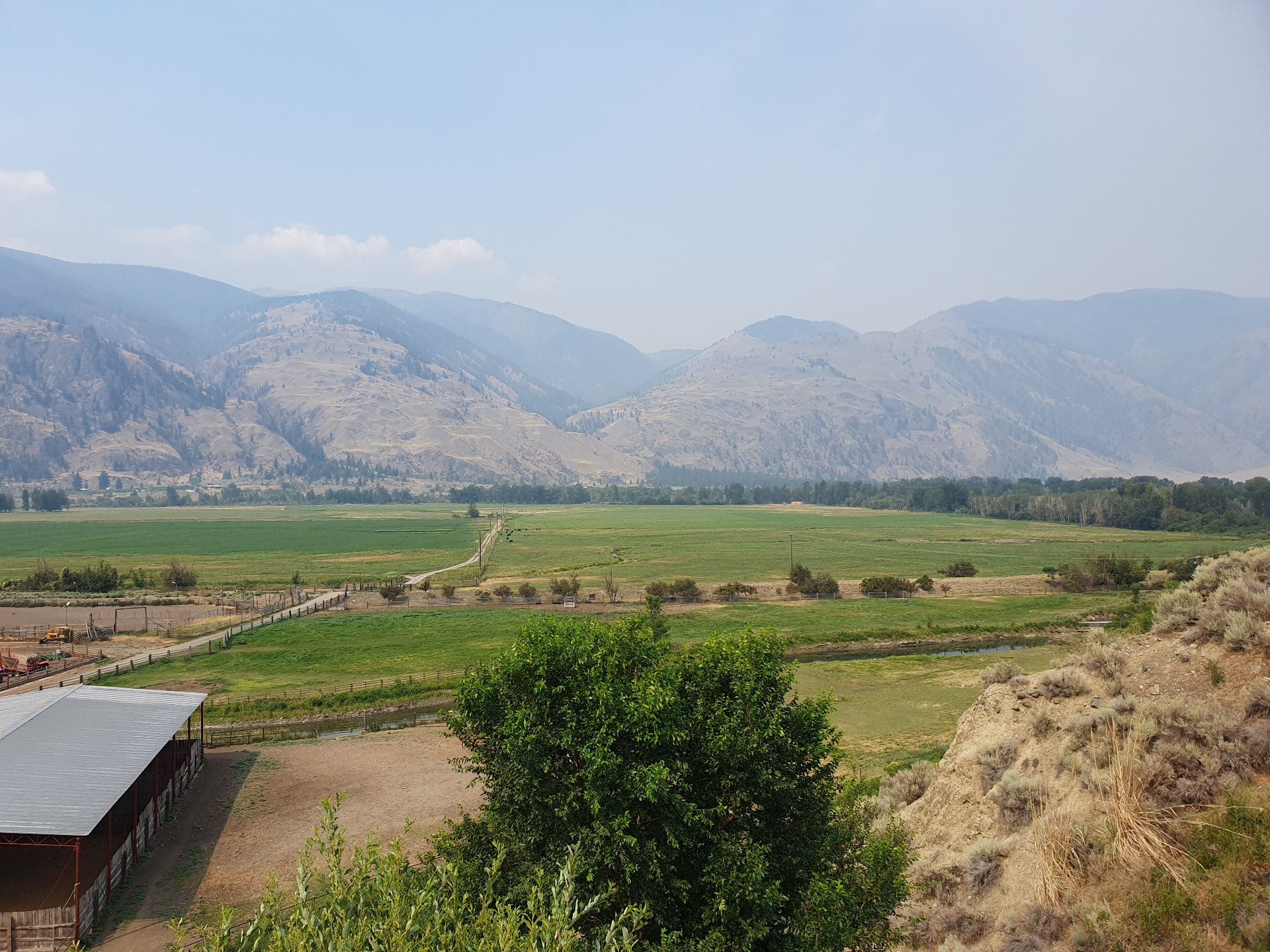
Similkameen Valley: Wild, Dry, and Completely Uninterested in Conforming
Then there’s the Similkameen Valley, west of the main Okanagan corridor, and it feels like another planet entirely.
Wind sweeps through constantly. The climate is drier.
Organic and biodynamic farming is not a trend here, it’s often a necessity.
The growing conditions are harsh, and the wines reflect that honesty.
What you get here is intensity without polish, structure without excess, and a kind of raw energy that doesn’t always behave predictably in the glass.
This is not a region trying to impress you.
It’s a region trying to survive well enough to make excellent wine anyway.
And somehow, it works.
The North Okanagan: Cool, Quiet, and Still Defining Itself
Up north, beyond the more famous stretches, the North Okanagan remains less discussed, but increasingly relevant.
Cooler temperatures, shorter growing seasons, and a more experimental mindset define this area.
Pinot Noir and sparkling wine potential are particularly interesting here, though consistency is still evolving.
This is a region still writing its identity.
And that’s not a weakness, it’s a sign of future importance.
Because every established wine region has a place where the next generation of ideas begins.
.JPG)
So What Actually Defines the Okanagan?
Here’s the truth most simplified wine guides avoid saying clearly:
There is no single Okanagan style.
There are only overlapping expressions of altitude, sunlight, soil, and ambition.
Some regions lean elegant. Others lean powerful.
Some are still experimenting. Some already feel world-class.
And the real mistake is trying to rank them like they’re competing.
They’re not.
They’re complementary pieces of a valley that refuses to behave like a single system.
.JPG)
The Okanagan doesn’t reward people who want easy conclusions.
It rewards people who are willing to accept contradiction.
Refined wines and wild wines.
Cool-climate precision and sun-driven power.
Experimental vineyards and established benchmarks.
All within a relatively short drive of each other.
That’s not confusion.
That’s identity.
And it’s exactly why the Okanagan is no longer “emerging.”
It’s already here.
See also: The Villa at Hester Creek
See also: Places to Eat in Oliver
See also: Wines of Okanagan Falls
See also: Oliver, BC: The Benches That Define Canada’s Boldest Wines
See also: osoyoos wine country
See also: Okanagan Wines
See also: okanagan wine guide
See also: Oliver BC wine region
See also: oliver wine country
See also: Black Sage Road Wineries
See also: osoyoos wine country