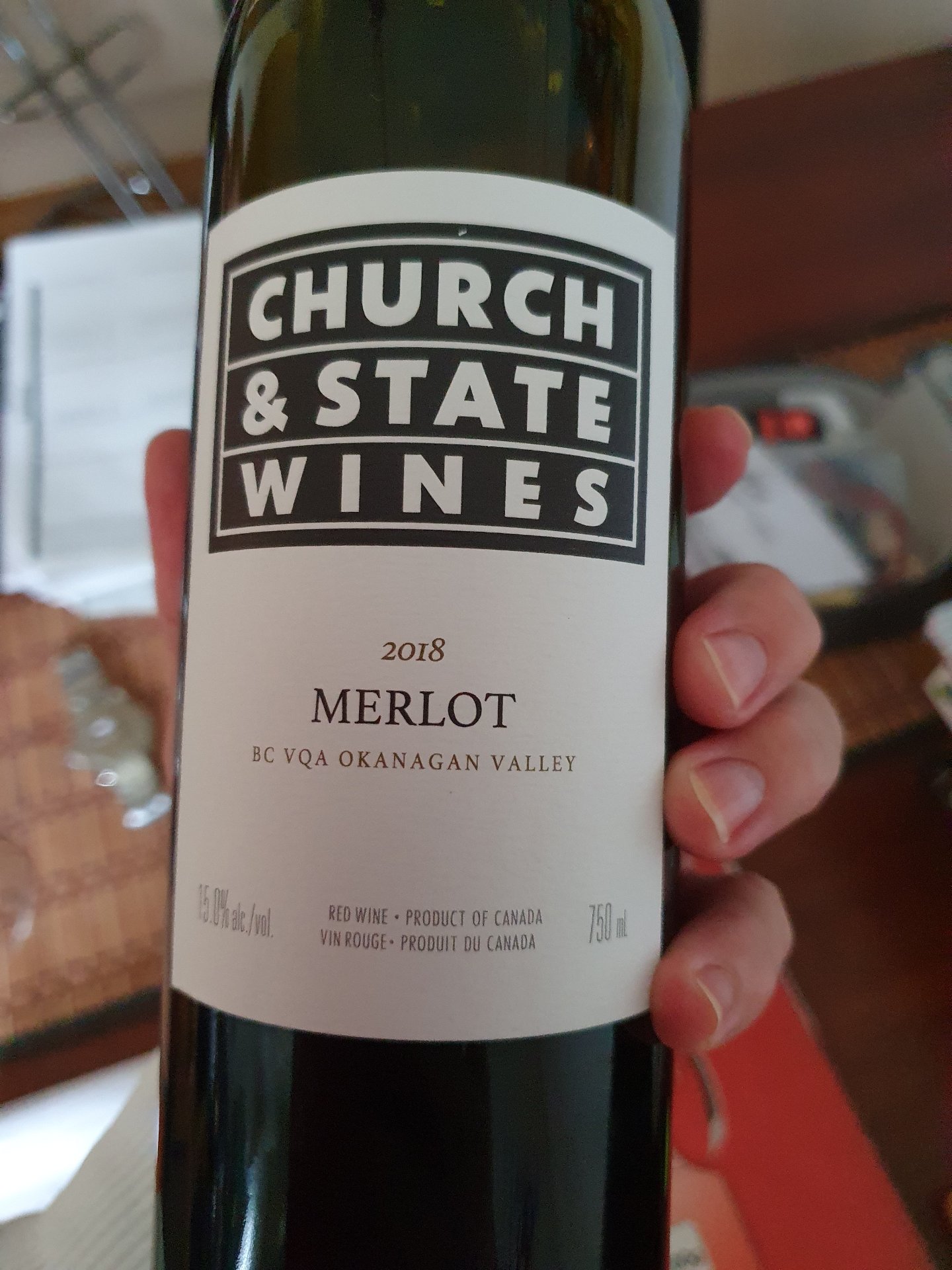
Church & State Wines Merlot 2018: A Textbook Example of Merlot Done Right
Every once in a while, you come across a wine that reminds you exactly why a grape variety became famous in the first place.
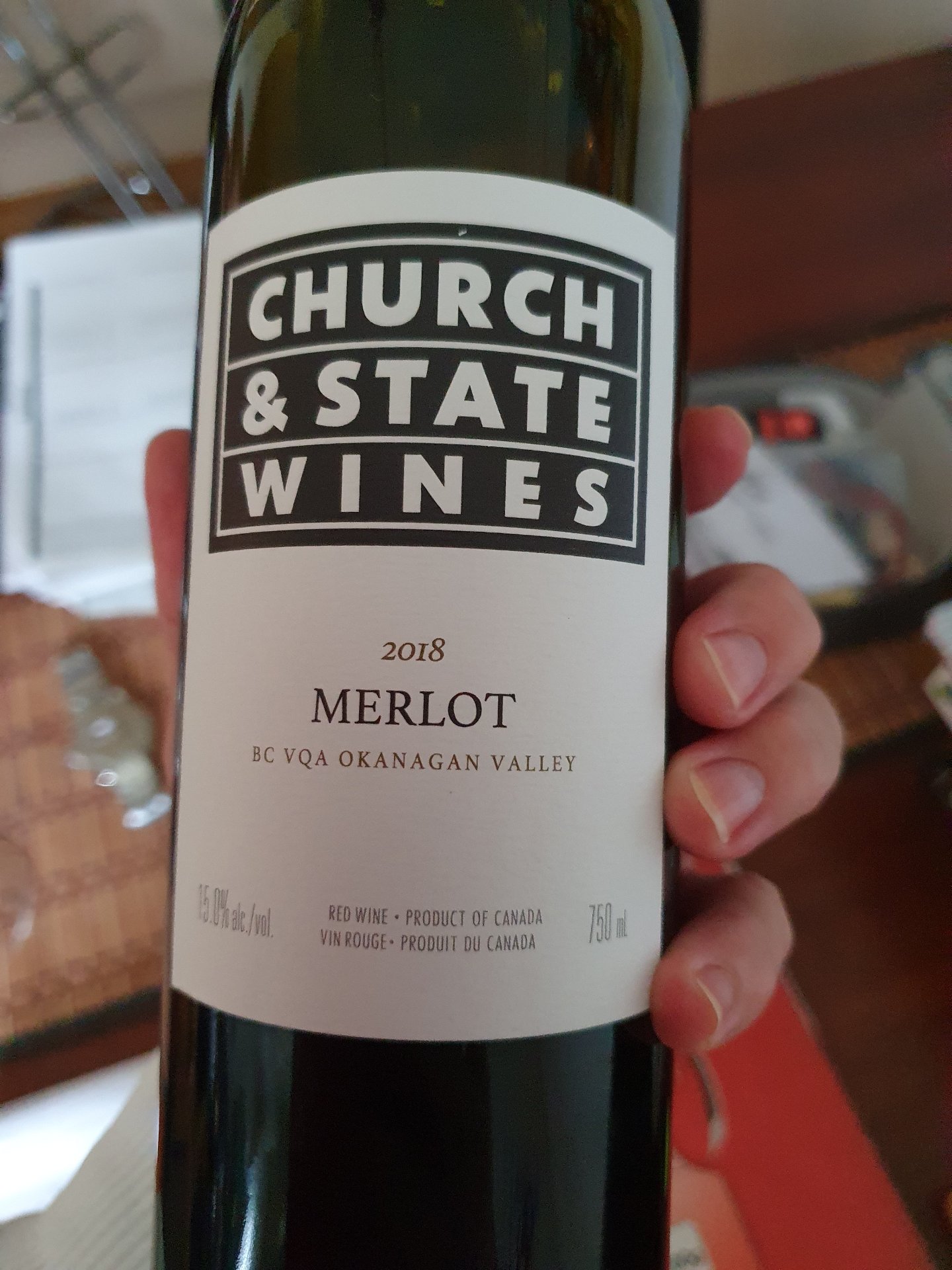
That was my experience with the 2018 Church & State Merlot from British Columbia's Okanagan Valley.
Merlot has spent years fighting an unfair reputation.
Too often it's either overripe and jammy or diluted into something forgettable.
This bottle lands squarely in the sweet spot.
If someone asked me what Merlot is supposed to taste like, I could confidently pour this wine and let the glass do the talking.
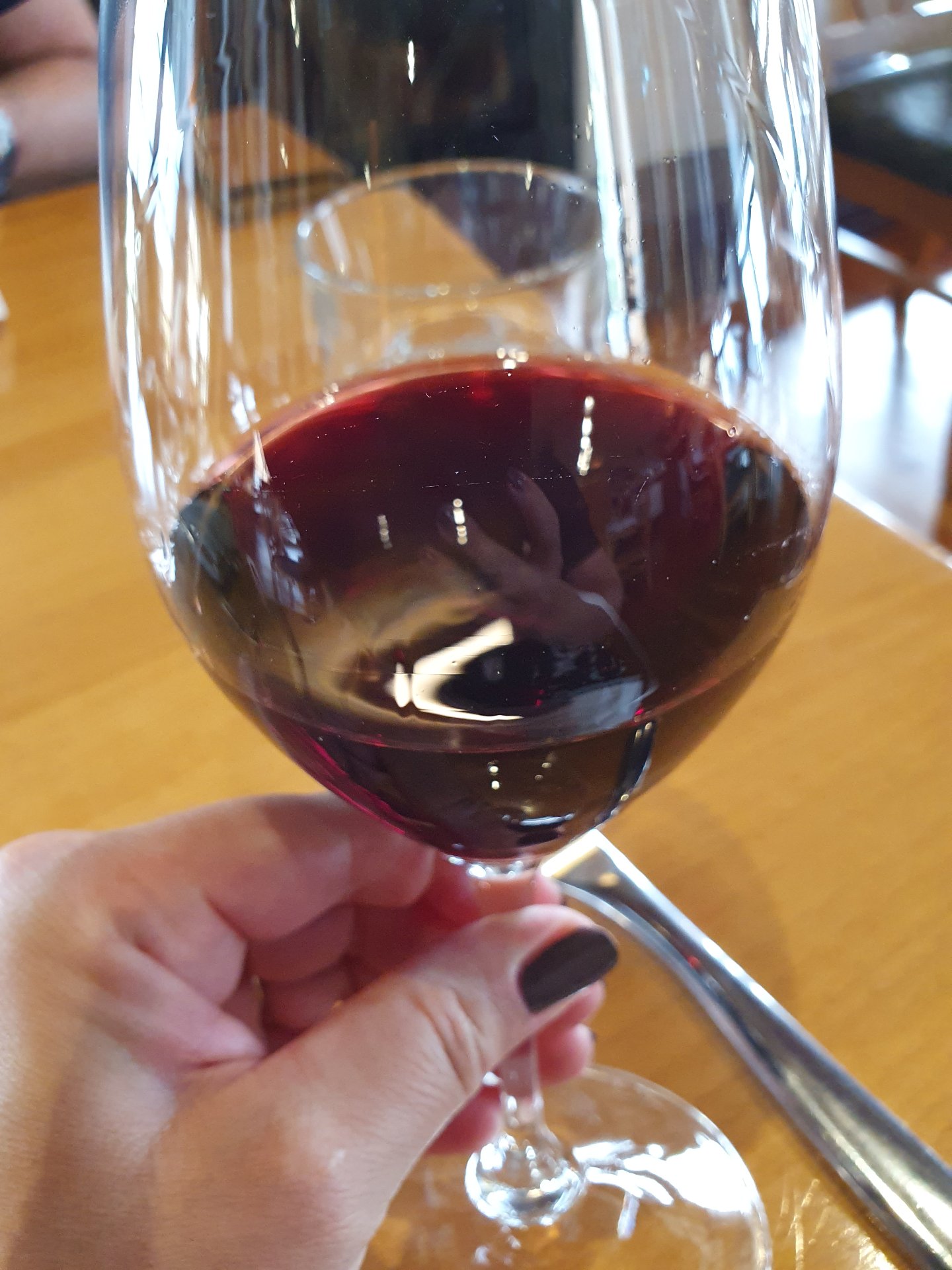
From the first swirl, the nose is unmistakably Merlot.
Ripe cassis and dark plum rise from the glass, followed by subtle notes of cocoa and dried herbs.
There is plenty of fruit, but it never feels excessive.
Instead, it carries a sense of balance and restraint that keeps drawing you back for another sniff.
On the palate, the wine delivers exactly what the aroma promises.
Soft, polished tannins create a smooth entry, while vibrant acidity keeps everything fresh and lively.
The fruit profile leans toward blackcurrant and dark berries, but what makes this wine particularly interesting is its savoury side.
A faint hint of green bell pepper appears mid-palate—not enough to dominate, but just enough to add complexity and remind you that great Merlot often carries a herbal edge.
That subtle greenness works beautifully alongside notes of dried herbs, dark chocolate, and gentle oak spice.
The finish is where the wine really shines.
Layers of cocoa and dark chocolate linger long after the fruit fades, creating a rich and satisfying conclusion that feels complete rather than heavy.
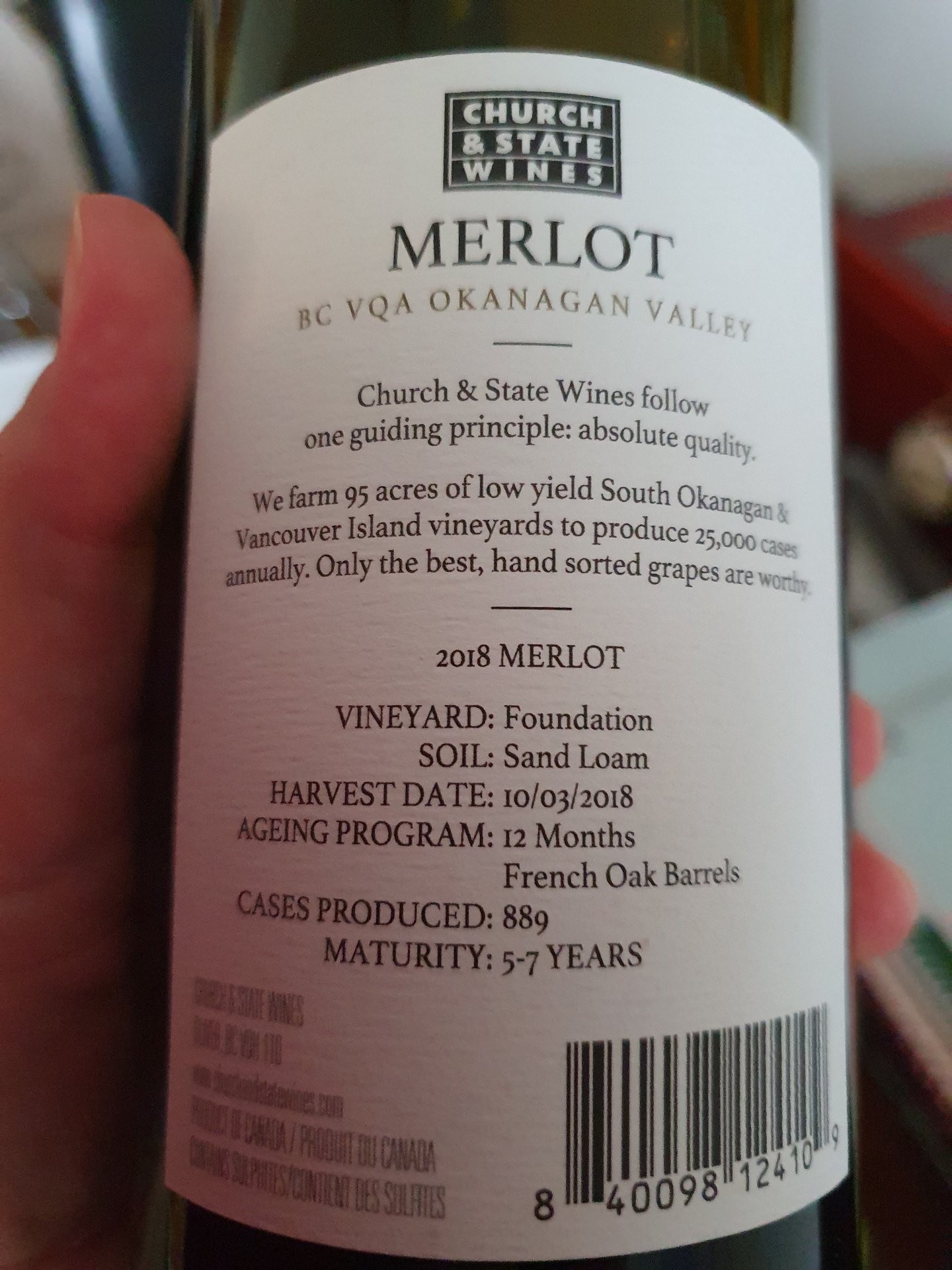
Church & State sources much of its red wine fruit from vineyards in the South Okanagan, one of Canada's warmest growing regions.
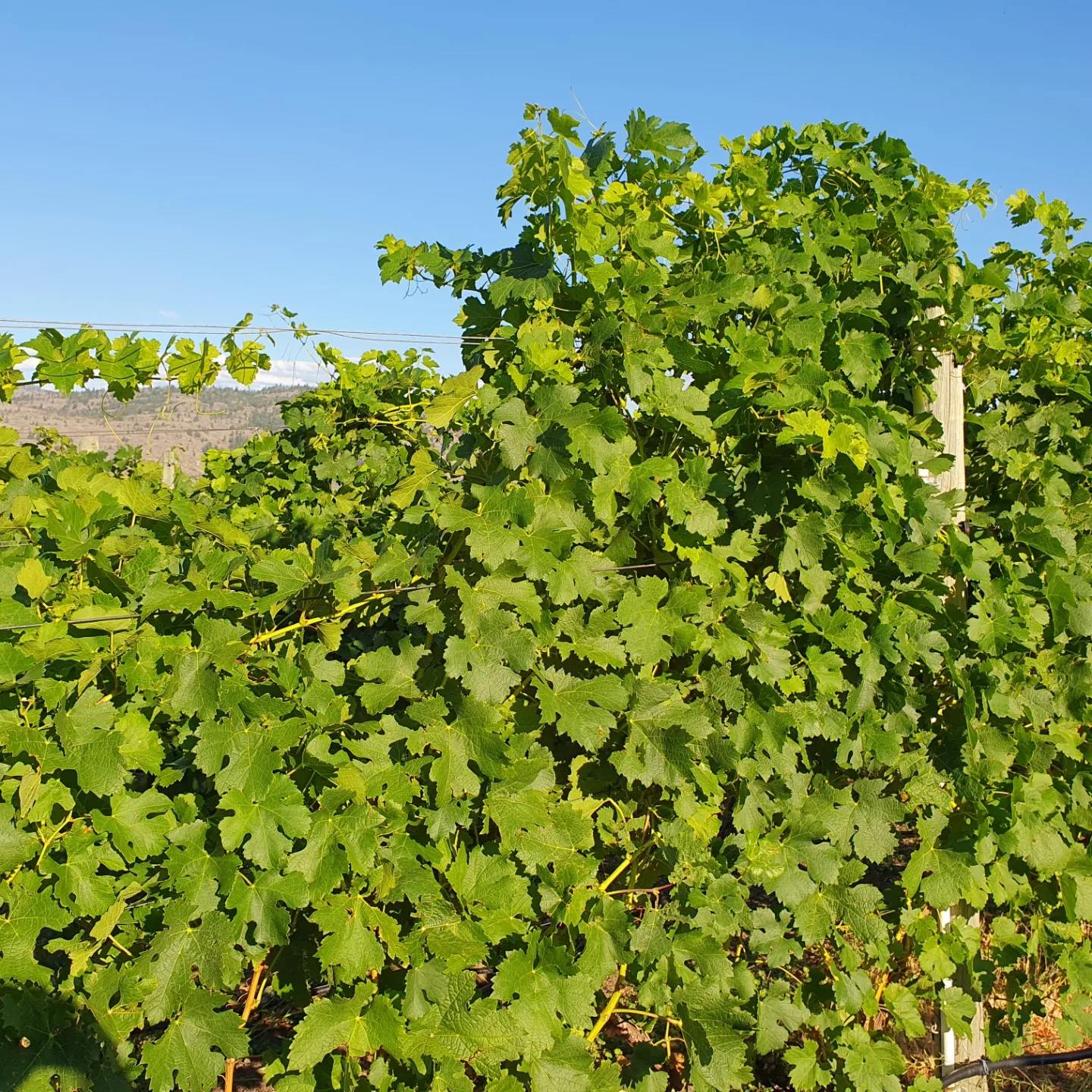
The winery has built a reputation for producing structured Bordeaux-inspired wines, and the 2018 Merlot reflects that philosophy well.
The vintage was bottled at a substantial 15% alcohol, yet it manages to maintain balance thanks to its acidity and underlying structure.
Critics noted the wine's generous black fruit character, chocolate notes, and firm framework, while also recognizing its aging potential.
What impressed me most, however, was not the power of the wine but its authenticity.
Nothing feels forced. Nothing feels manipulated to chase trends.
It simply tastes like Merlot.
In a world full of wines trying to be bigger, bolder, and louder, there is something refreshing about a bottle that stays true to its varietal character.
If you're studying wine and want to understand Merlot's classic profile, soft tannins, dark fruit, herbal nuances, balanced acidity, and chocolate undertones, this is an excellent place to start.
It's the kind of bottle that reminds you why Merlot became one of the world's most planted red grapes in the first place.
Sometimes a wine doesn't need to reinvent the wheel.
Sometimes it just needs to be a really good Merlot.
The 2018 Church & State Merlot accomplishes exactly that.
Tasted in 2023.
See also: Church & State Winery
See also: Church & State winery
See also: British Columbia Wine Institute
See also: okanagan wine guide
See also: Places to Eat in Oliver