If you want to understand serious wine in British Columbia, you start in Oliver.
Not Kelowna. Not the north. Oliver.
This small town in the South Okanagan isn’t just another stop on a wine route—it’s the engine room of BC wine.
The place where the climate gets real, the soils get interesting, and the wines finally step into their full potential.
And what makes Oliver fascinating isn’t just that it’s warm. It’s that it’s split in two.
Two benches. Two personalities. Two completely different expressions of what Canadian wine can be.
Where Oliver Sits — And Why It Matters
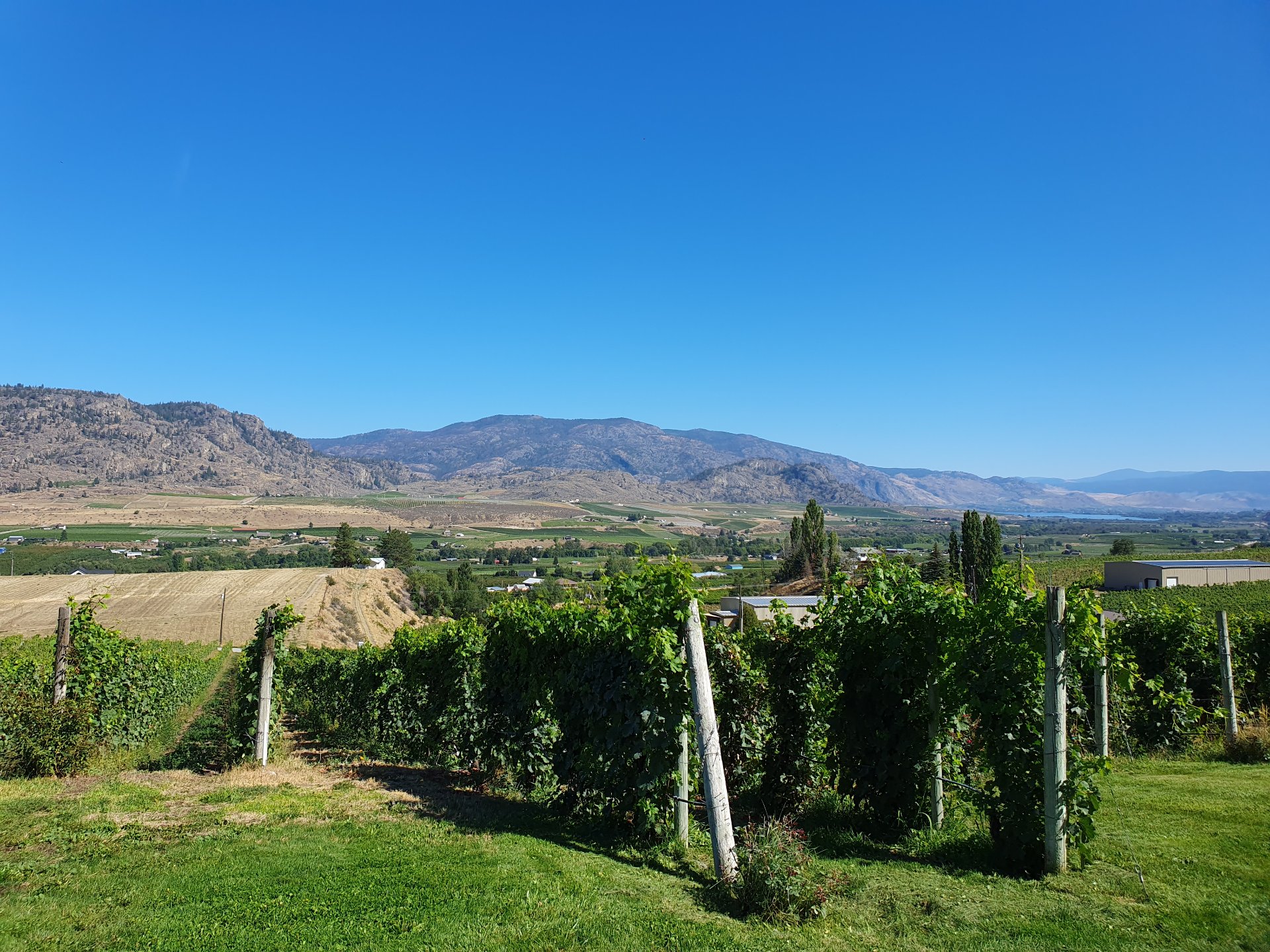
Oliver lies between Vaseux Lake to the north and Osoyoos to the south, right at the northern edge of the Great Basin Desert.
Yes—desert. In Canada.
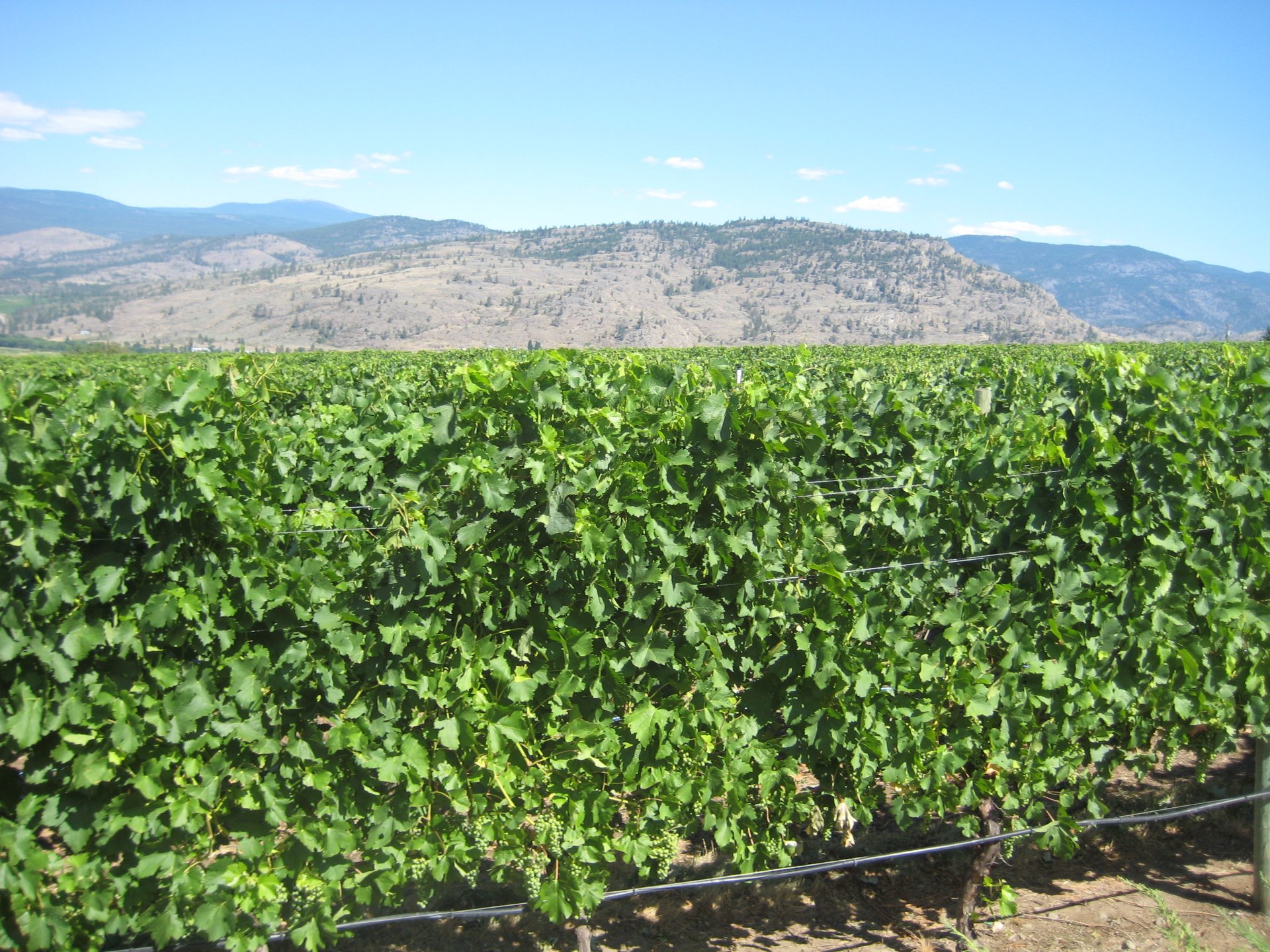
This is one of the hottest, driest wine-growing areas in the country.
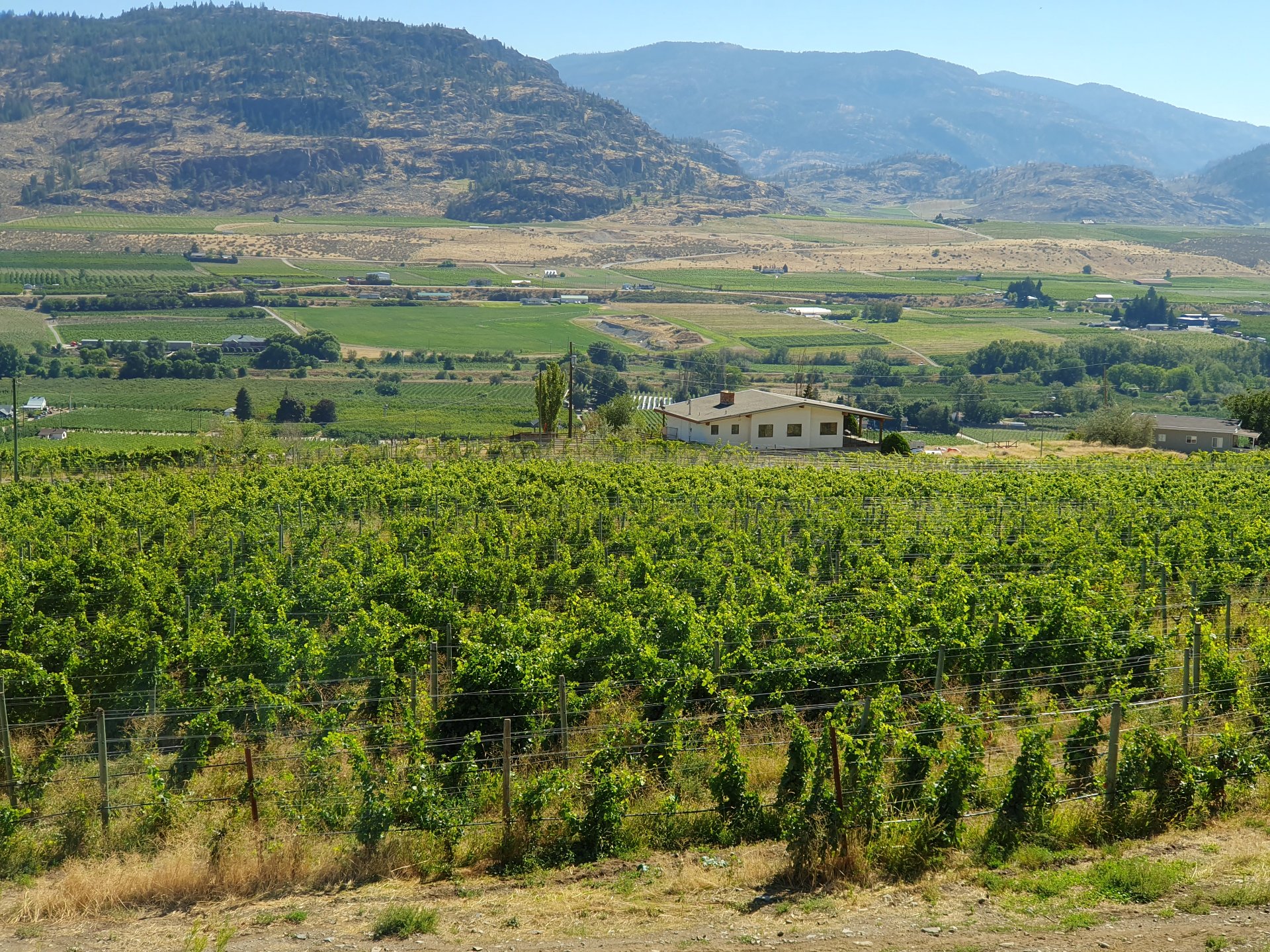
Long, hot summers; very little rainfall; intense sunshine; big temperature swings between day and night.
That last point is critical. The heat ripens grapes fully—something much of Canada struggles with—while the cool nights lock in acidity.
The result is wines with both power and structure, not just ripeness.
But climate alone doesn’t explain Oliver.
For that, you need to look at the land.
The Two Benches That Matter
Everything in Oliver revolves around two sub-regions:
Black Sage Bench and Golden Mile Bench.
They’re only a few kilometres apart. But they might as well be different worlds.
Black Sage Bench — Heat, Sand, and Power
On the east side of the valley, Black Sage Bench is where things get serious.
This is the warmest part of Oliver—arguably one of the warmest vineyard areas in Canada.
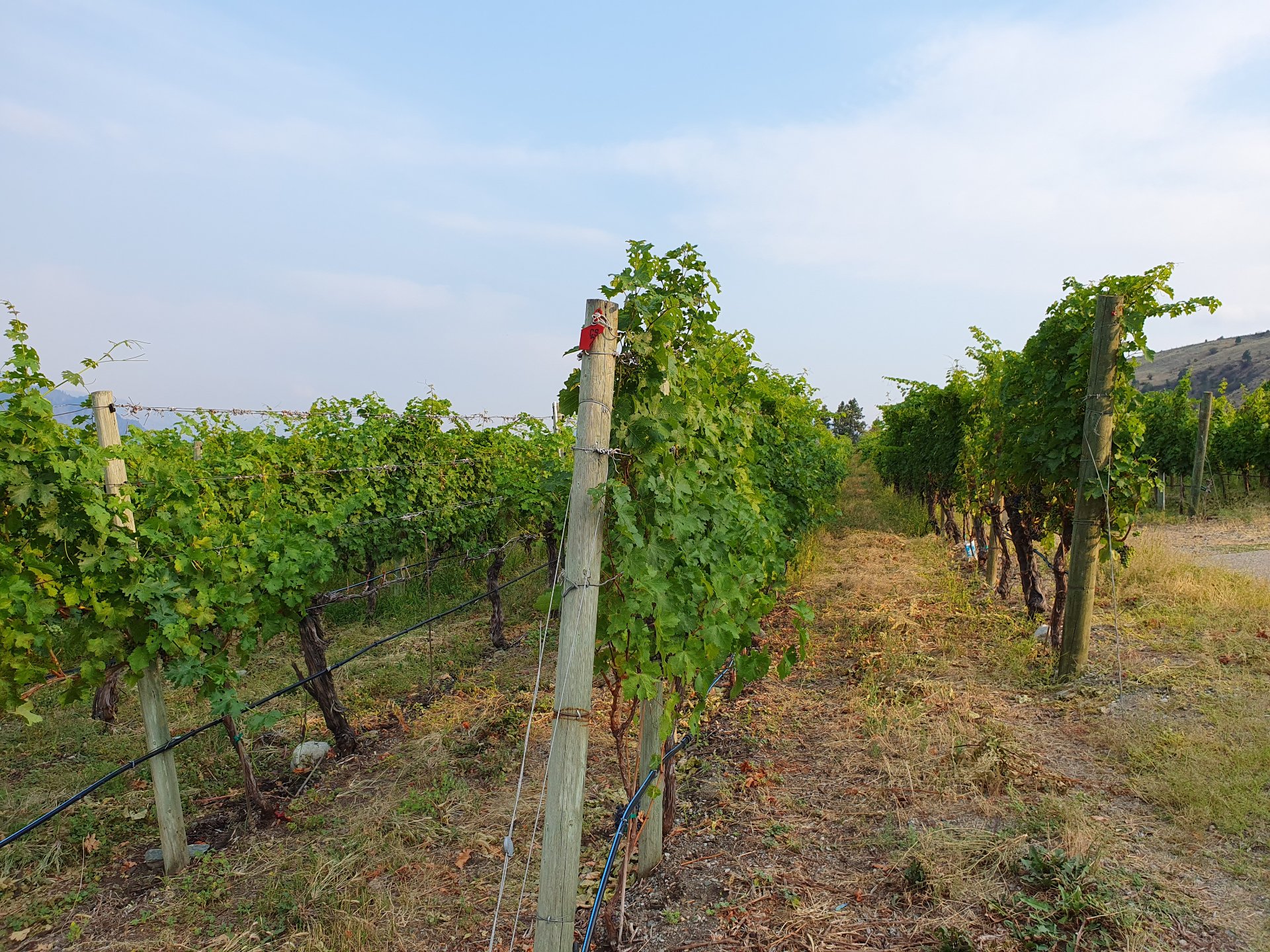
West-facing slopes soak up brutal afternoon sun, and the soils are dominated by deep sand.
Water drains fast, nutrients are scarce, and vines are forced to struggle.
Which is exactly what you want.
Because stressed vines produce smaller berries, thicker skins, and more concentrated fruit.
The wines here are unapologetic: ripe, dense, and structured; dark fruit-driven, with firm tannins.
These wines are built for aging.
If you’re looking for Cabernet Sauvignon, Merlot, Cabernet Franc, or Syrah with real weight behind them, this is where they come from.
Rich and powerful Bordeaux blends.
There’s a confidence to Black Sage wines.
A sense that they’re not trying to prove anything anymore—they just deliver.
You'll find Quinta Ferreira, Phantom Creek Estates, Platinum Bench Estate Winery, French Door Estate Winery, Black Hills Estate Winery, Red Barn Winery at Jagged Road.
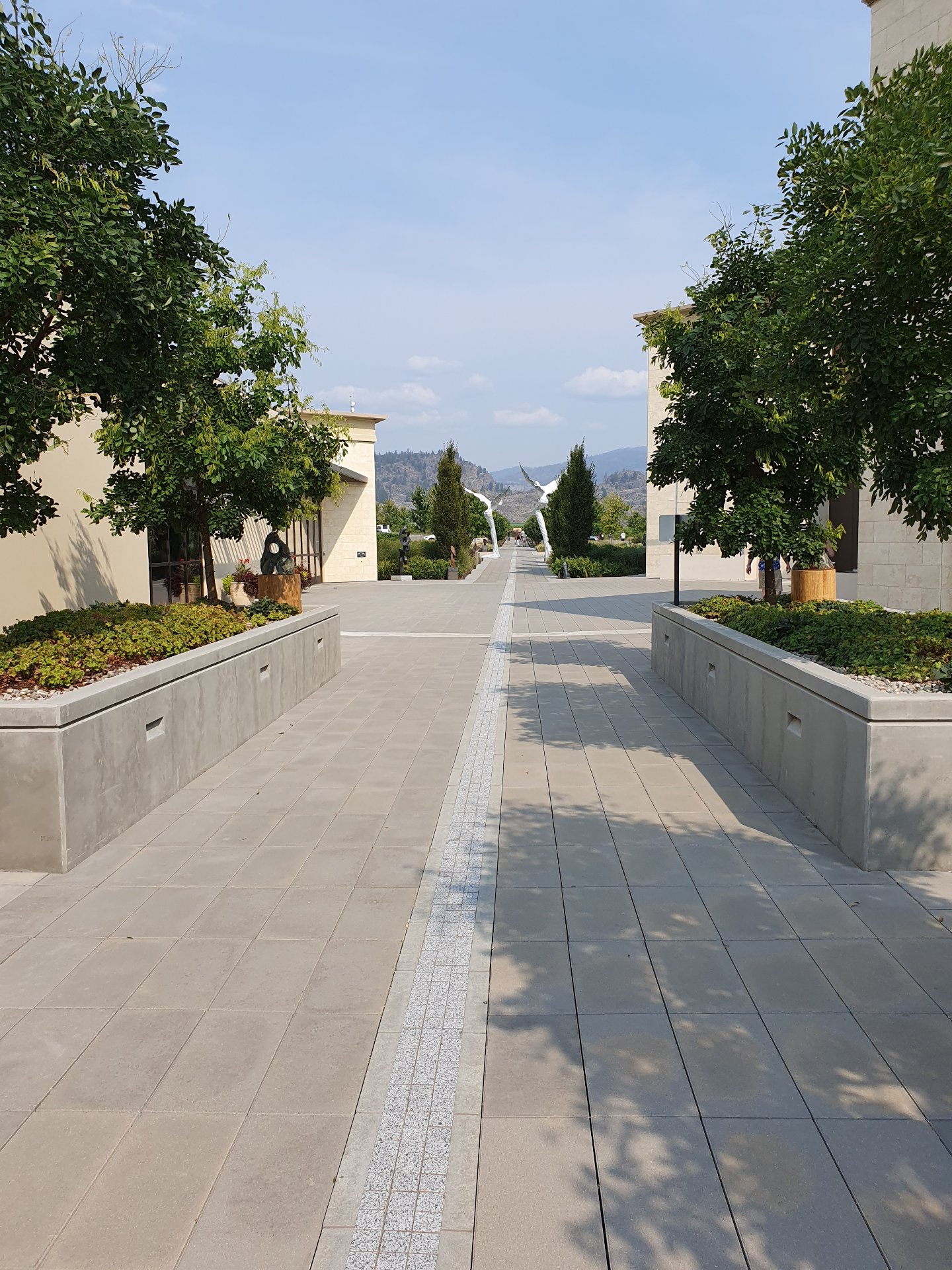
Golden Mile Bench — Structure, Balance, and Precision
Cross the valley over the Okanagan River to the west side, and everything shifts.
The Golden Mile Bench faces east, meaning it gets gentle morning sun and avoids the harshest afternoon heat.
It’s still warm—but more restrained, more controlled.
The soils are different too: gravel, sand, silt, bits of clay. More complexity, more structure, more nuance.
And the wines reflect that.
Compared to Black Sage, Golden Mile is less about power and more about shape.
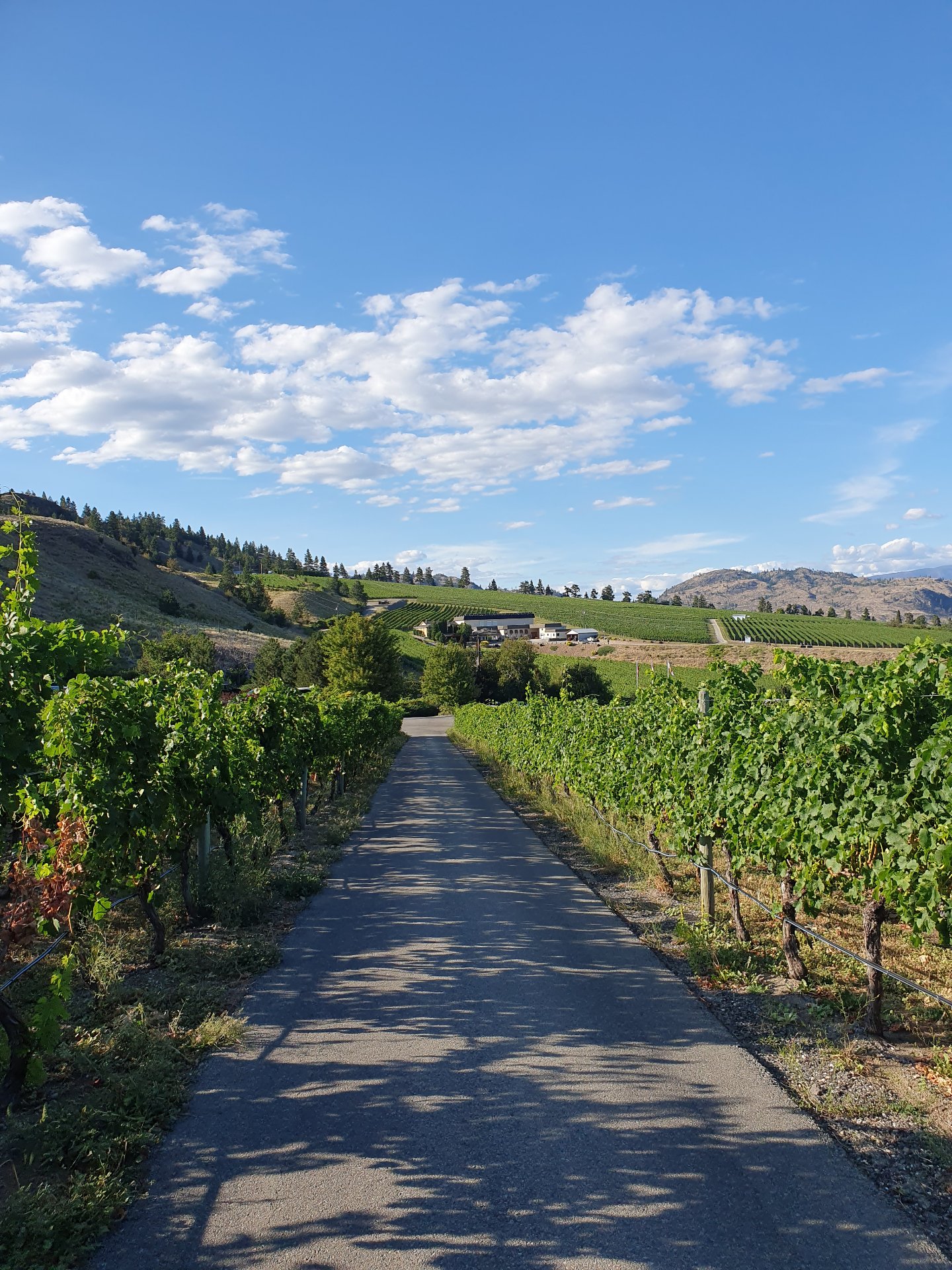
There's better natural acidity, more freshness and more defined structure in the wines.
The Golden Mile Bench wines have often a subtle mineral edge.
This is where Merlot and Cabernet Franc start to show elegance rather than just weight.
Where Chardonnay and Pinot Gris gain texture and tension instead of just ripeness.
If Black Sage is about impact, Golden Mile is about precision.
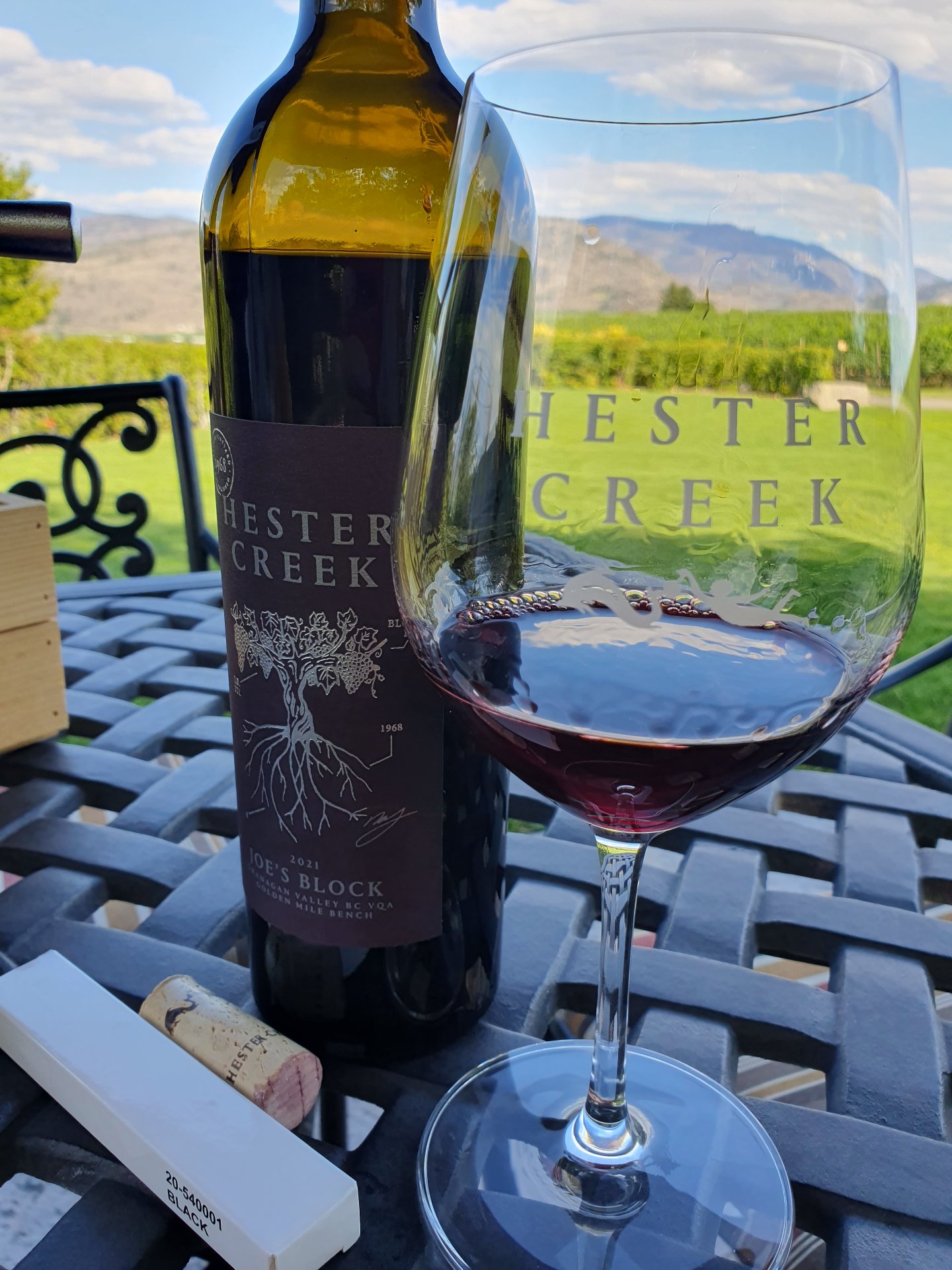
Here you'll find Hester Creek Estate Winery, Tinhorn Creek Vineyards, Culmina Estate Winery, Checkmate Artisanal Winery, Road 13 Vineyards.
A Valley Defined by Contrast
Here’s the part that makes Oliver genuinely compelling.
These two benches are separated by less than a 10-minute drive.
That’s it.
And yet they produce completely different wines.
On one side, the Black Sage Bench is hotter, sandier and more intense, resulting in bold and powerful reds.
On the other hand, the Golden Mile Bench is cooler, with more layered soils, more restrained ripening, which results in structured and balanced wines.
This isn’t a broad regional difference - it’s hyper-local.
And it’s what elevates Oliver from “warm climate curiosity” to a place with real terroir.
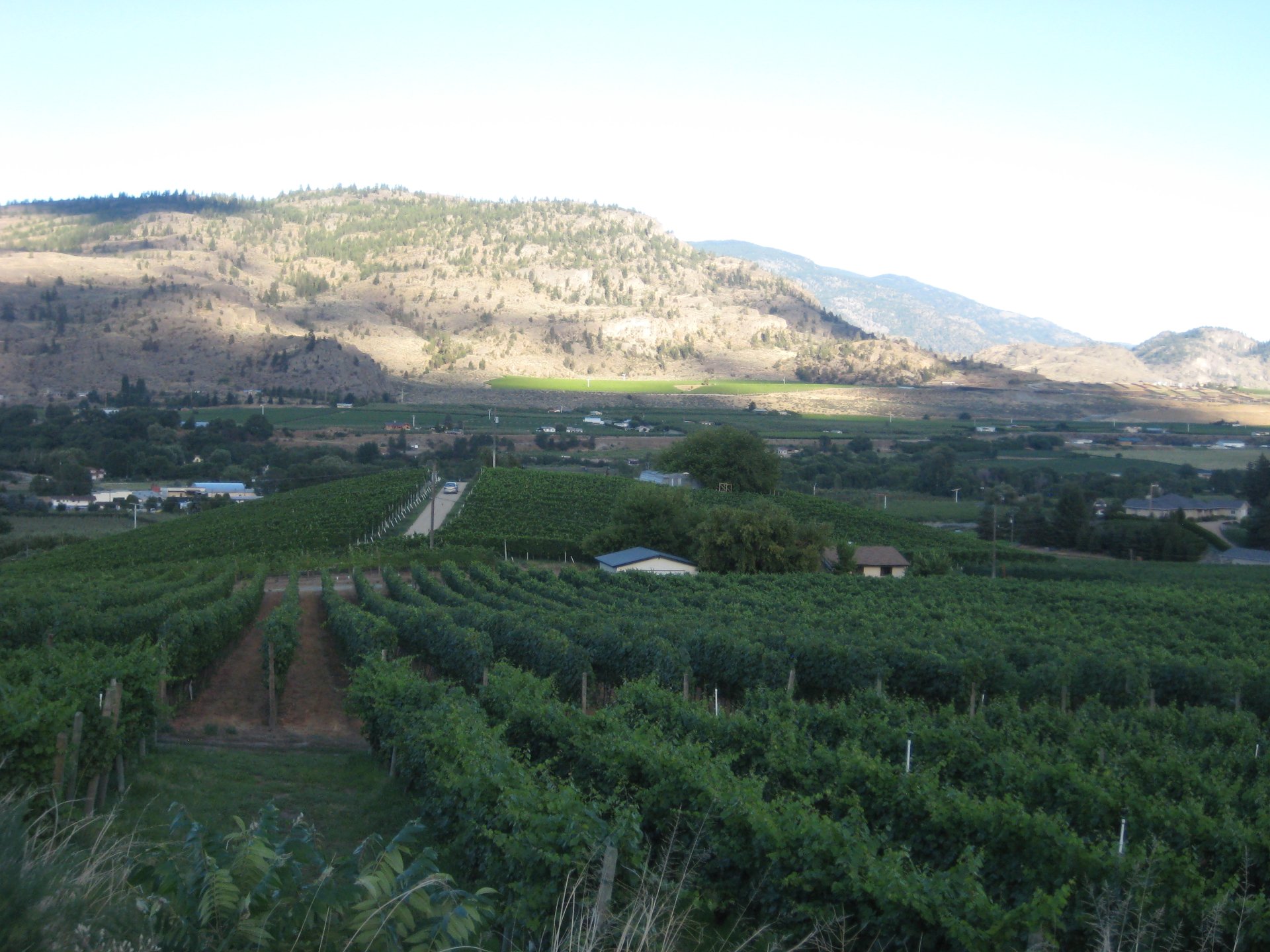
Beyond the Benches (Yes, There’s More)
Officially, Oliver is defined by these two benches. But if you stop there, you’re missing part of the story.
The Valley Floor
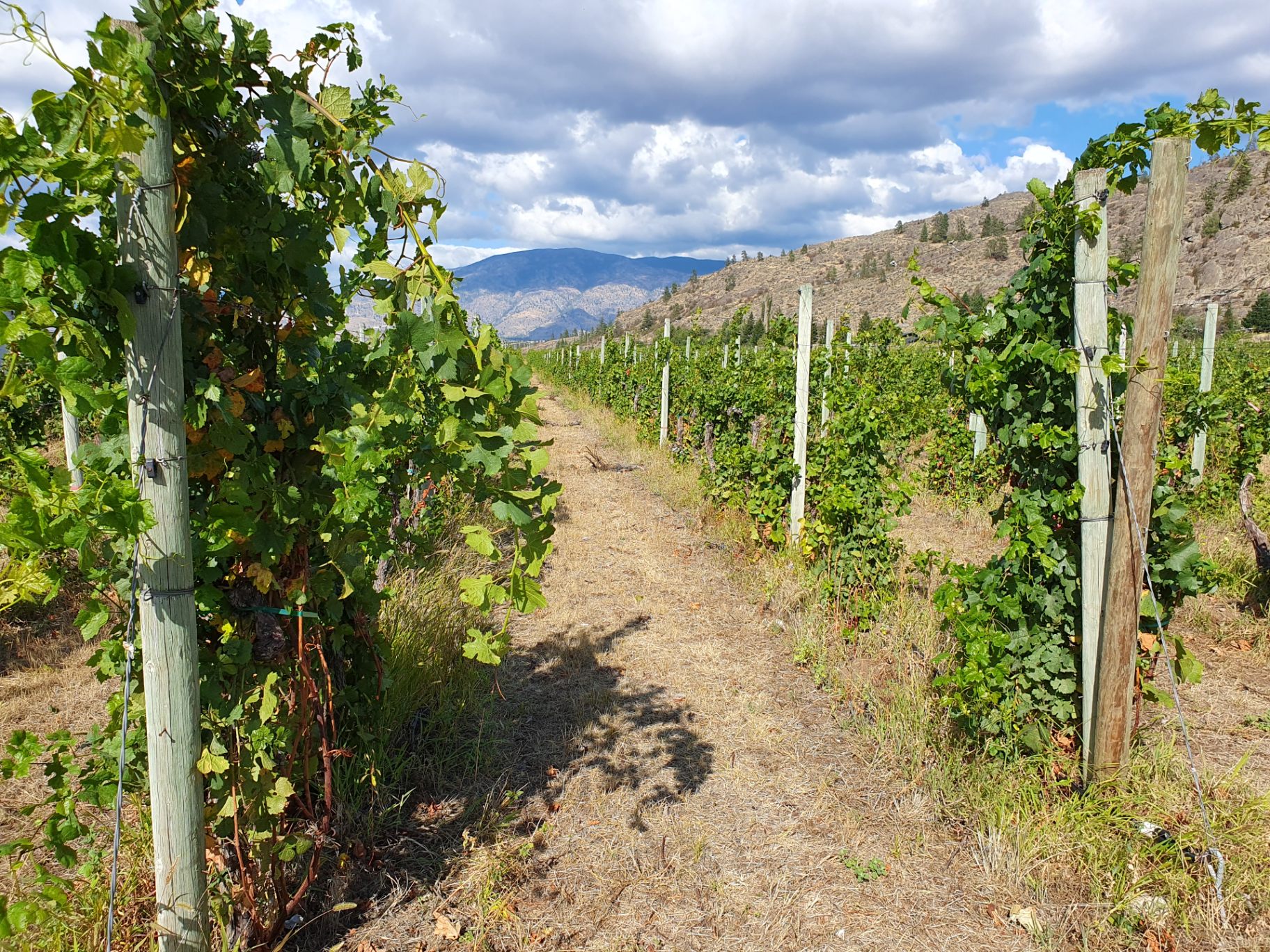
Running through the middle of Oliver is the Okanagan River valley floor which is flatter, with more alluvial soils like sand, silt, and gravel.
Wines from here tend to be more approachable and more fruit-forward.
These wines are less structured than bench wines. They are softer.
This is where you often find easy-drinking Pinot Gris, Chardonnay, and softer styles of Merlot.
It doesn’t get the same attention, but it plays an important role.
Stoneboat Vineyards and vinAmité Cellars are good examples of wineries here.
South Toward Osoyoos
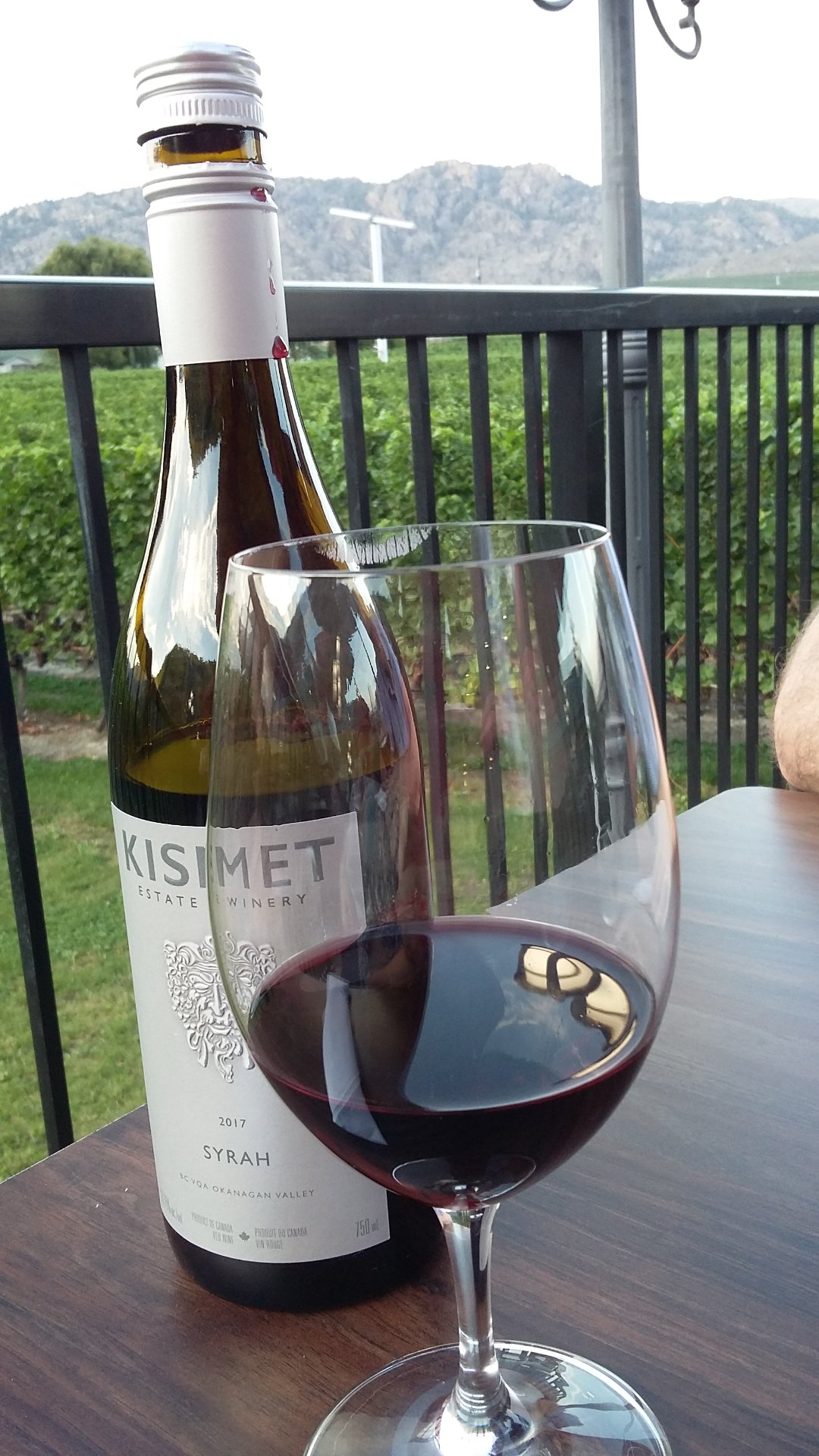
Head just south of Oliver towards the U.S. border and the desert influence intensifies.
It gets hotter. Drier. More extreme.
The wines follow suit. They are bigger, riper and more opulent.
Syrah and Cabernet Sauvignon thrive here, often pushing into bold, almost decadent territory.
Your wineries here - Rust Wine and Co, Kismet Estate Winery, Castoro de Oro Estate Winery.
North Toward Penticton
As you move north from Oliver toward Penticton, especially around Vaseux Lake, the climate begins to cool slightly and moderate.
You’re still in warm South Okanagan territory.
However, heat intensity softens just a touch.
Nights can feel a bit cooler.
Wind influence increases, especially near the lake.
Growing season stretches differently rather than just getting hotter.
This isn’t a dramatic shift, it’s a refinement.
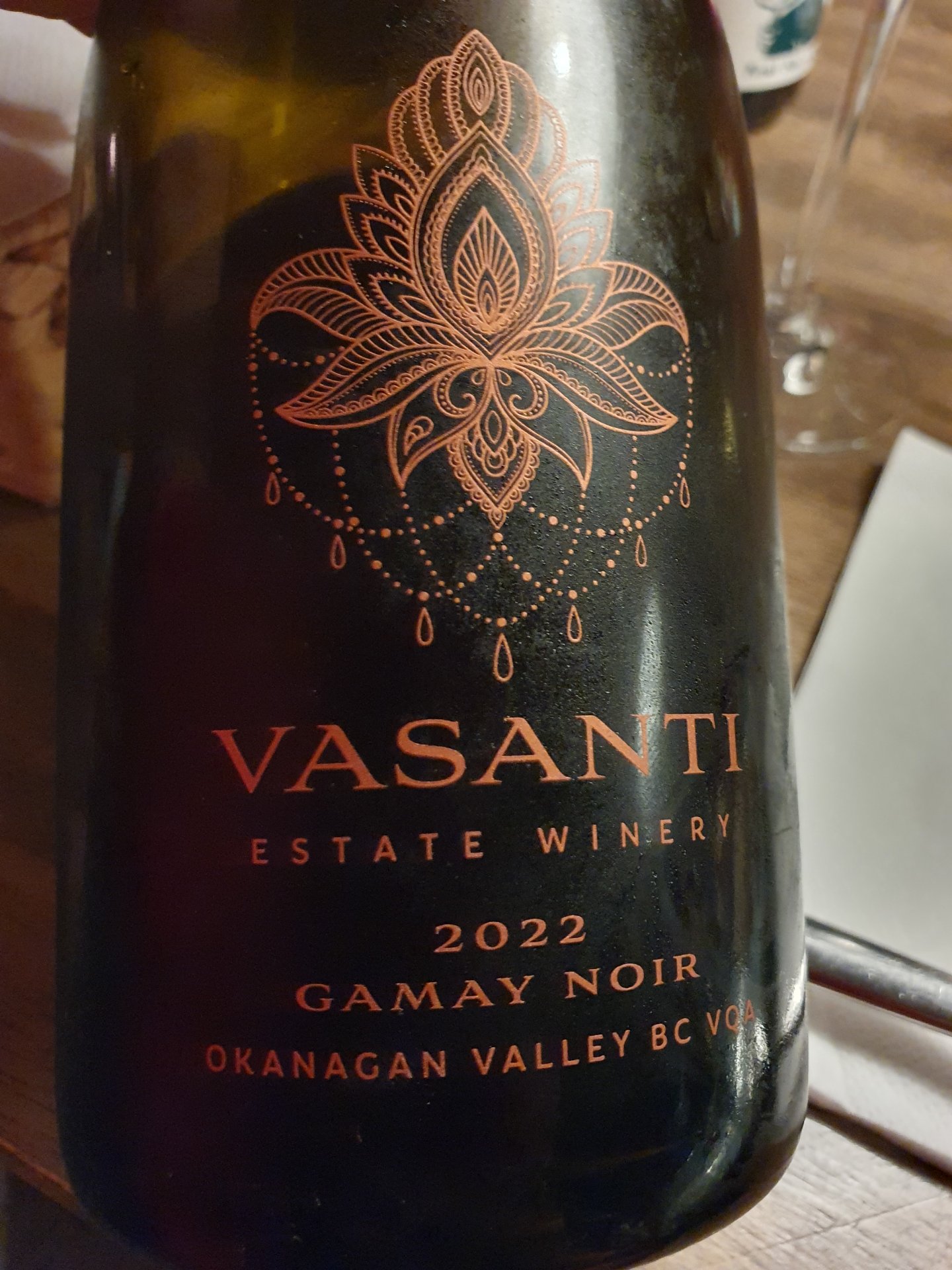
The soil is more glacial, with lake-influenced deposits, mix of gravel, silt, and clay.
The wines offer more freshness, lifted aromatics and slightly lower alcohols.
The wineries here are Vasanti Estate Winery, Pinehill Cellars, River Stone Estate Winery.
Micro-Sites and the Future of Oliver
Here’s where things are heading - and it’s worth paying attention.
Within both benches, producers are starting to focus less on the broad region and more on specific sites.
Slight changes in elevation, soil transitions within a single vineyard, small differences in exposure.
These micro-variations matter.
And increasingly, they’re showing up in the wines.
Oliver is quietly moving toward a more detailed, site-driven identity.
Not just “bench vs bench,” but vineyard by vineyard.
It’s easy to describe Oliver as two benches. Technically, that’s accurate.
But it’s also incomplete.
Because what really defines this place is contrast—within a small space, under a powerful climate, across soils that change just enough to matter.
On one side, you get heat, sand, and power.
On the other, structure, restraint, and precision.
And together, they make Oliver the most compelling wine region in Canada right now.
See also: Hester Creek Winery
See also: Hester Creek Winery
See also: Okanagan Chardonnay
See also: Noble Ridge Vineyard and Winery
See also: The Pinot House - Stoneboat Vineyards in Oliver - Stoneboat Vineyards Oliver
See also: Quinta Ferreira Estate Winery
See also: The Villa at Hester Creek
See also: okanagan wine guide
See also: Places to Eat in Oliver
See also: oliver wine country
See also: black sage road wineries okanagan