Okanagan Grape Guide: The Heart of British Columbia Wine
If you want to understand Okanagan wine, you don’t start with the bottles, you start with the grapes.
The Okanagan Valley is one of those rare places where geography, climate, and attitude line up perfectly to create wines with real personality.
It’s not a copy of any other place.
And that’s exactly what makes it exciting.
This guide breaks down the key grapes grown in the Okanagan, what they taste like, where they thrive, and why they matter.
I’ll also be blunt where it counts: some grapes absolutely shine here, and some are still trying to figure themselves out.
The Okanagan Climate: Why Grapes Even Work Here
Before we talk varieties, it helps to understand the playing field.
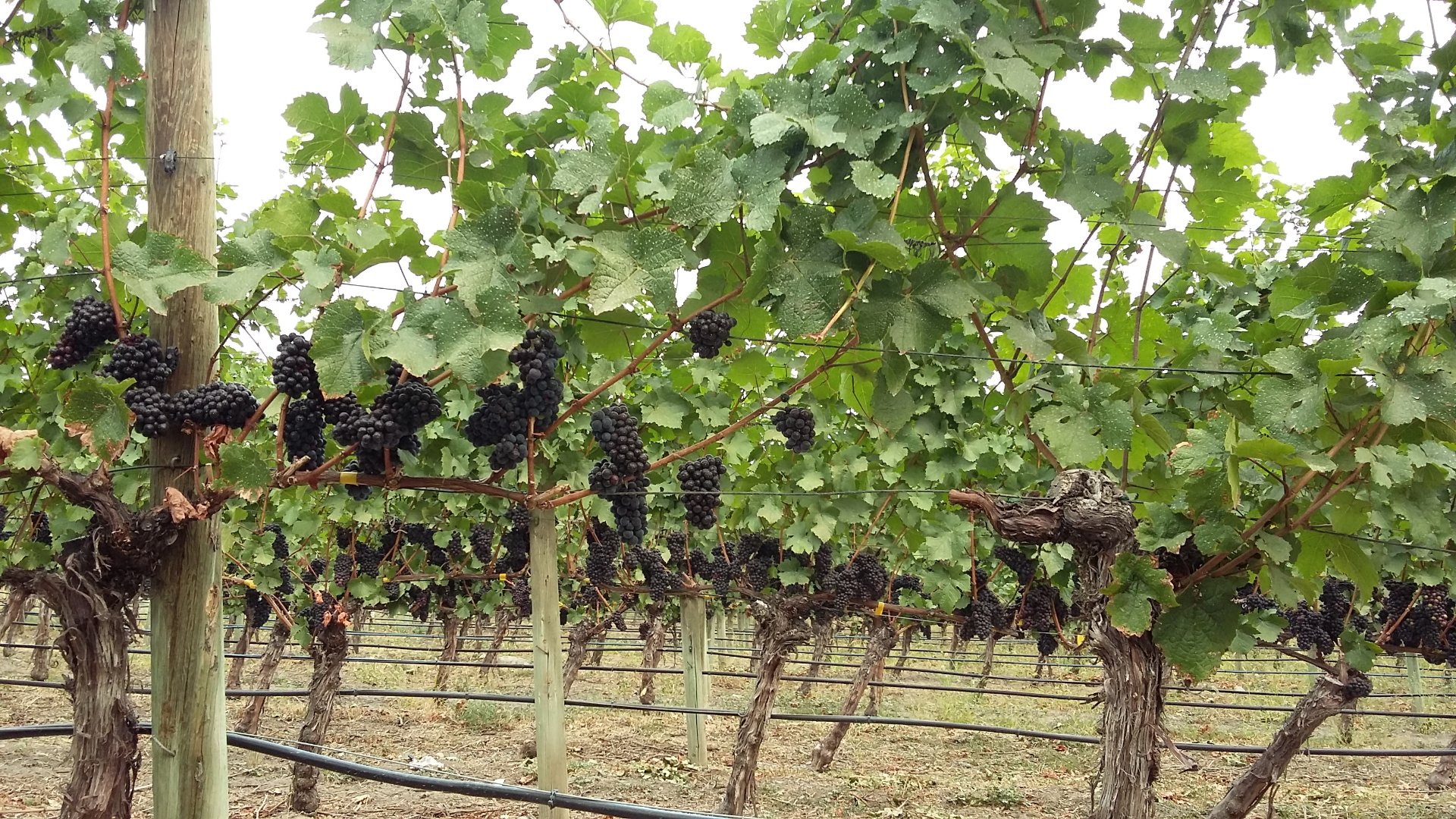
The Okanagan Valley is a long, narrow ribbon of vineyards stretching through British Columbia.
It’s dry, sunny, and shaped by lakes that act like natural temperature regulators.
Summers can be hot, winters can be harsh, and that contrast is exactly what gives the grapes intensity.
But here’s the truth: this is a challenging wine region.
Not everything ripens easily.
That means the grapes that succeed here tend to be resilient, expressive, and full of character.
And yes, winemakers here have had to get smart fast. That shows in the quality.
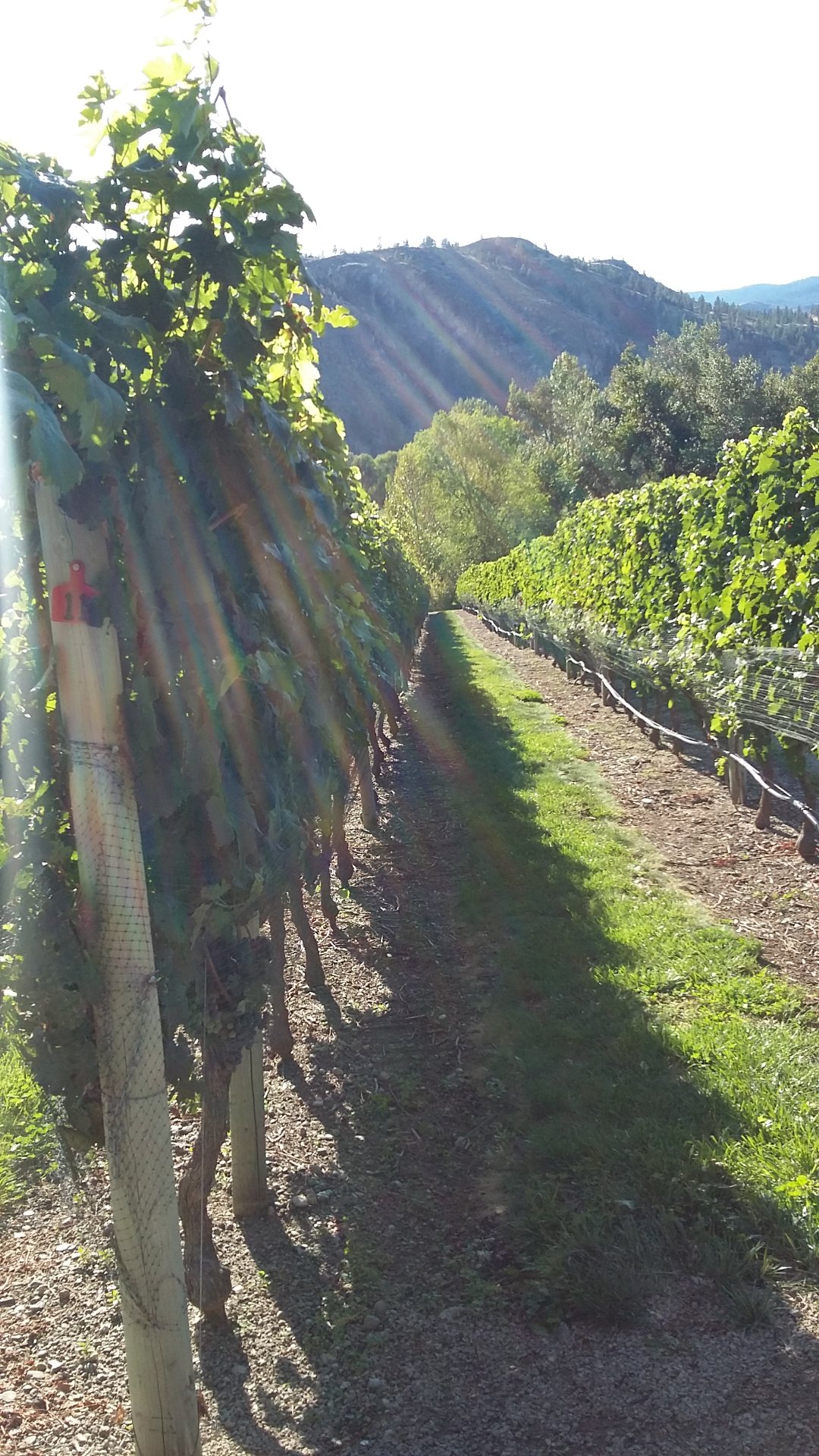
Pinot Noir: The Undisputed Star
Let’s get straight to it: Pinot Noir is king in the Okanagan, especially in cooler sub-regions like the North Okanagan and higher-elevation sites.
Why it works:
Cool nights preserve acidity
Warm days build ripeness
Long growing season adds complexity
What you get in the glass:
Expect red cherry, wild berries, earthy spice, and sometimes a slightly herbal edge.
When done well, Okanagan Pinot Noir is elegant but not shy.
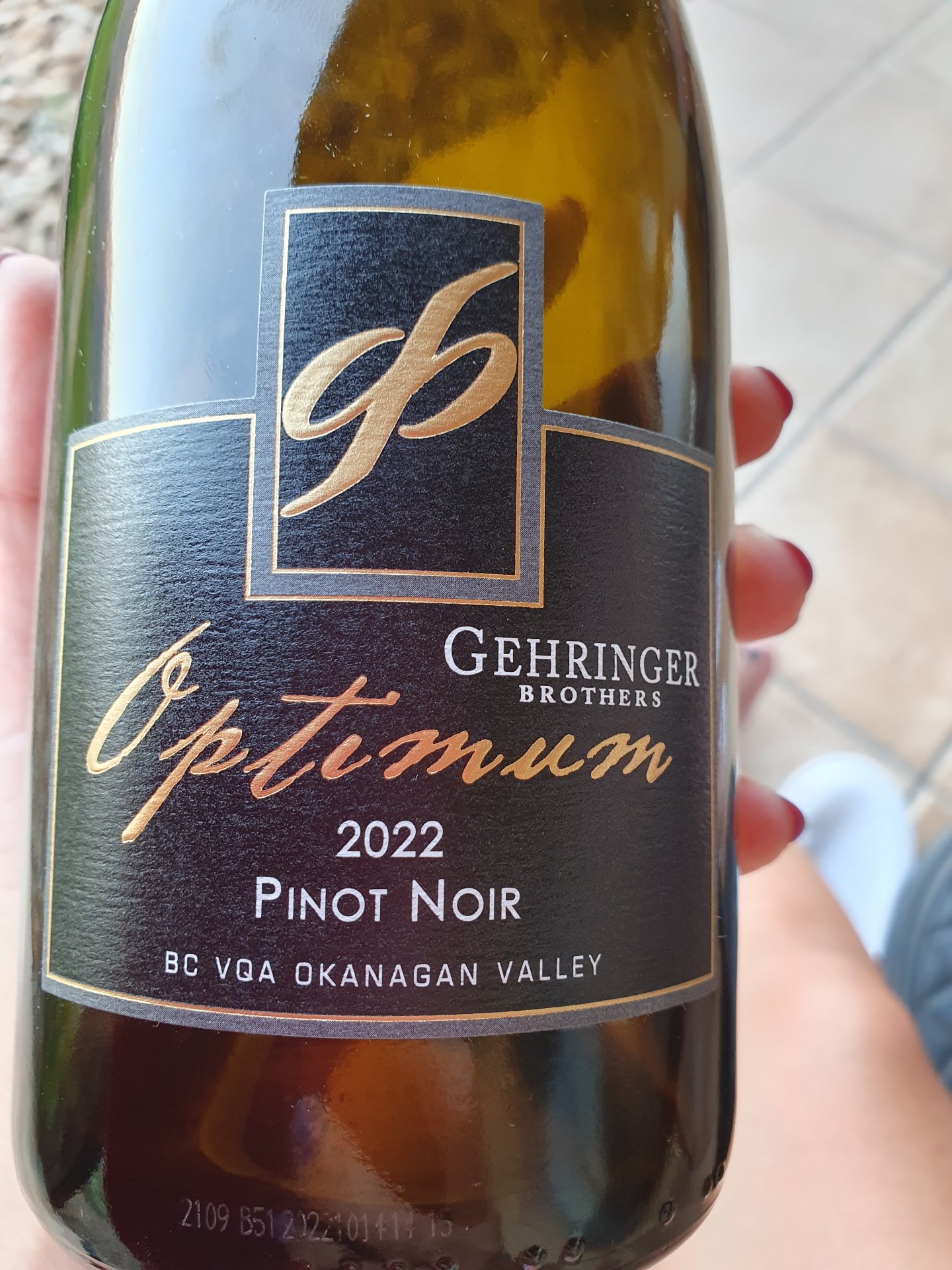
Too many regions try to “force” Pinot Noir. The Okanagan doesn’t force it, it earns it.
The best bottles here can absolutely stand up to Burgundy-level comparisons.
Riesling: The Quiet Powerhouse
If Pinot Noir is the star, Riesling is the backbone of Okanagan white wine.
This grape thrives in cooler pockets and handles the valley’s temperature swings like a pro.
What it tastes like:
Lime, green apple, peach
Honeyed notes with age
Sharp, clean acidity
Why it matters:
Riesling is where Okanagan winemakers show precision.
It’s not about masking flaws, it’s about control and timing.
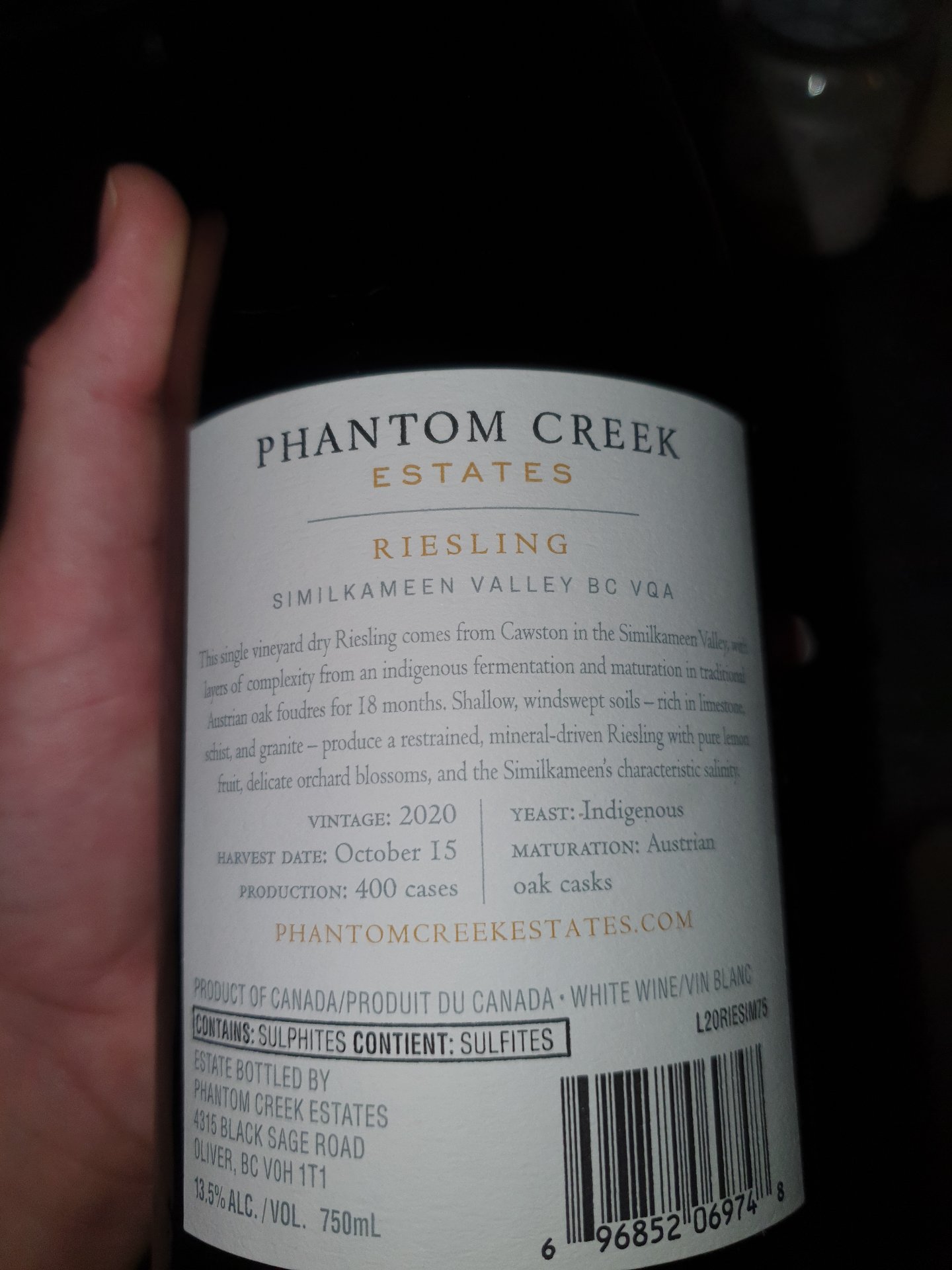
Okanagan Riesling is wildly underrated on the global stage.
Some of it is as good as Germany or Alsace, but it doesn’t always get the attention it deserves.
Chardonnay: Flexible, but Divisive
Chardonnay is everywhere in the Okanagan, and that’s both a blessing and a problem.
It can be:
Crisp and mineral-driven
Rich and buttery (oak-aged styles)
Somewhere in between
What makes it work here:
The grape adapts well to different vineyard sites, from lake-influenced cool zones to warmer southern slopes.
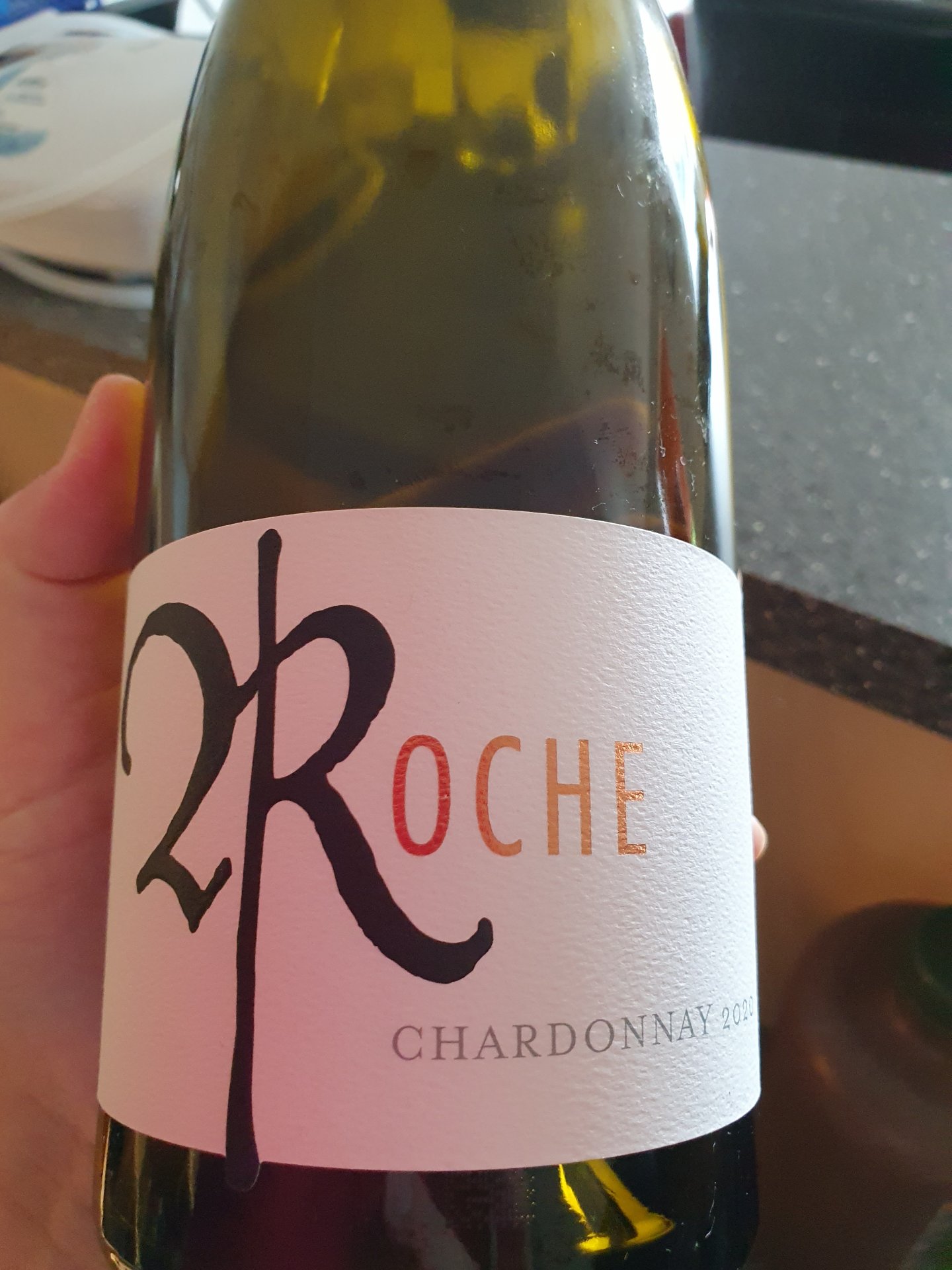
The Okanagan doesn’t need more “heavy” Chardonnay.
The most exciting versions are the fresh, high-acid, low-oak styles.
When winemakers over-oak it, the wine loses its identity fast.
Pinot Gris: The Crowd-Pleaser
Pinot Gris is one of the most widely planted white grapes in the valley, and for good reason, it’s reliable, generous, and easy to love.
What you get:
Pear, melon, citrus
Soft texture
Mild spice
It’s not trying to be complex. It’s trying to be enjoyable.
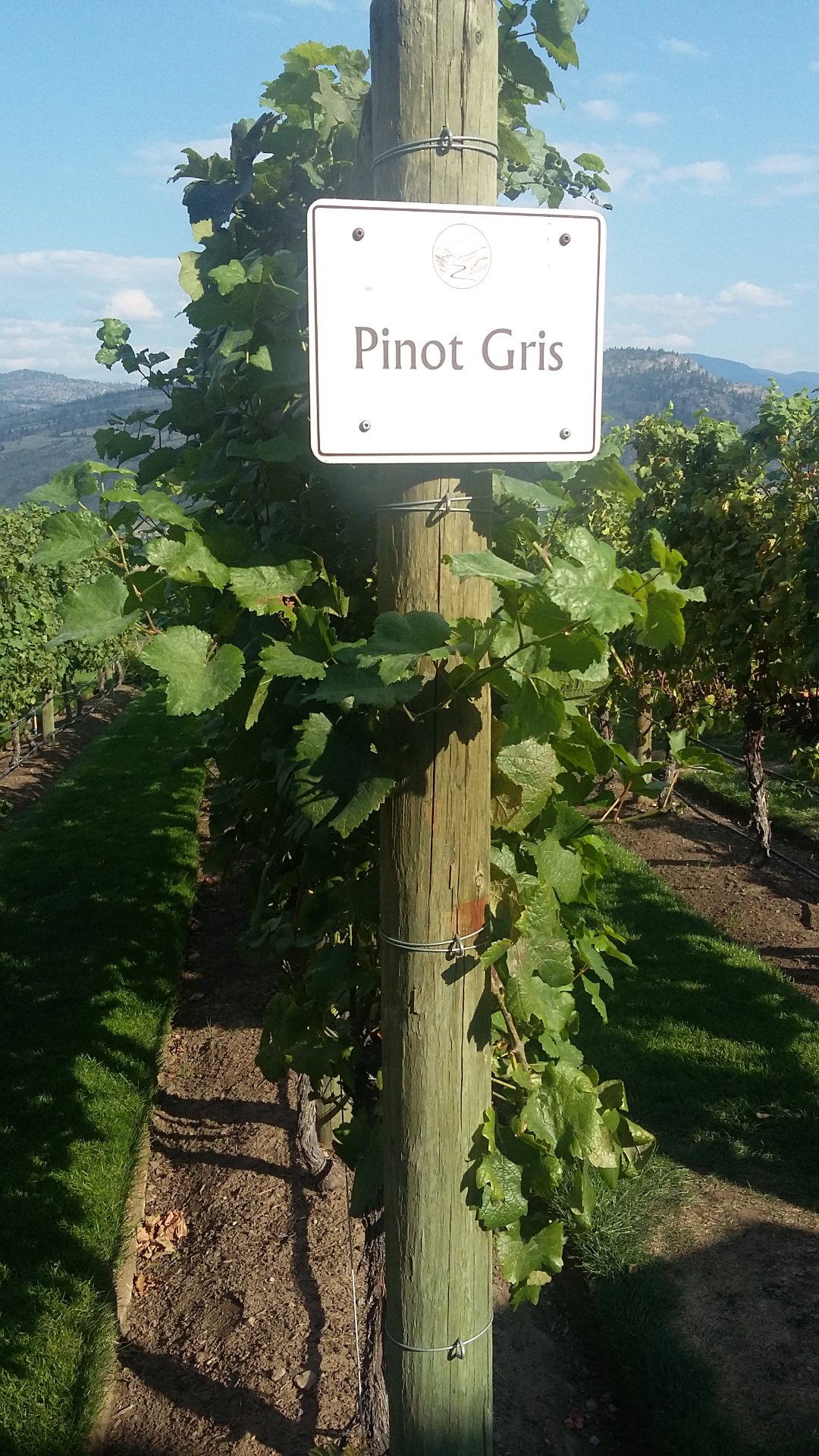
Pinot Gris is the “safe choice” of Okanagan wine.
That’s not an insult, it’s just the truth.
However, the best producers still manage to add real texture and lift.
Merlot: The Surprising Success Story
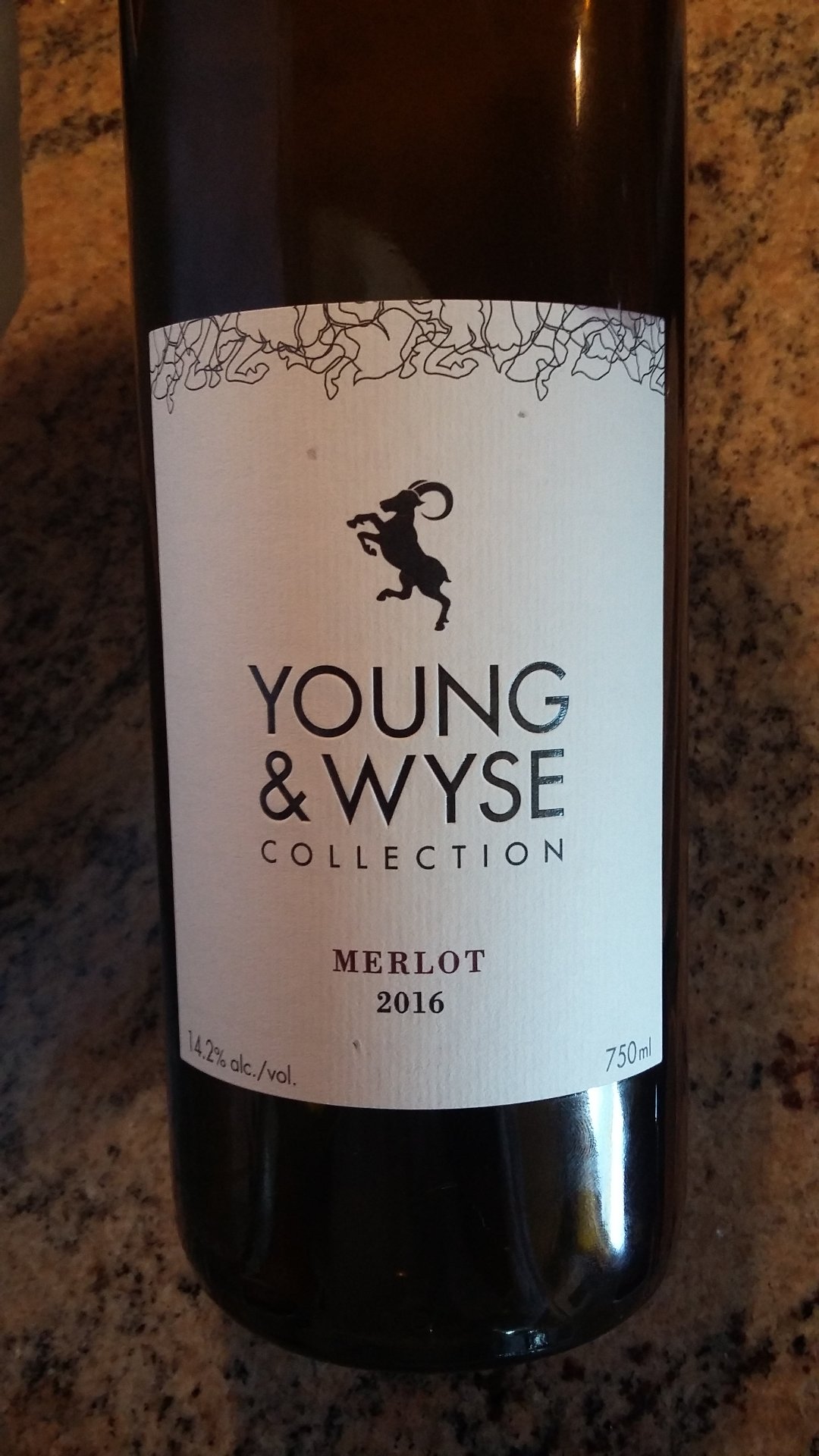
Merlot often surprises people in Canada, but in the Okanagan it can be excellent when grown in the right sites.
What it brings:
Plum, black cherry
Soft tannins
Chocolate and herbal notes when aged
Why it works:
Warm, south-facing vineyards allow full ripening, which is crucial for quality Merlot.
Good Okanagan Merlot can absolutely compete with New World benchmarks. The problem is inconsistency, not capability.
Cabernet Franc: The Quiet Performer
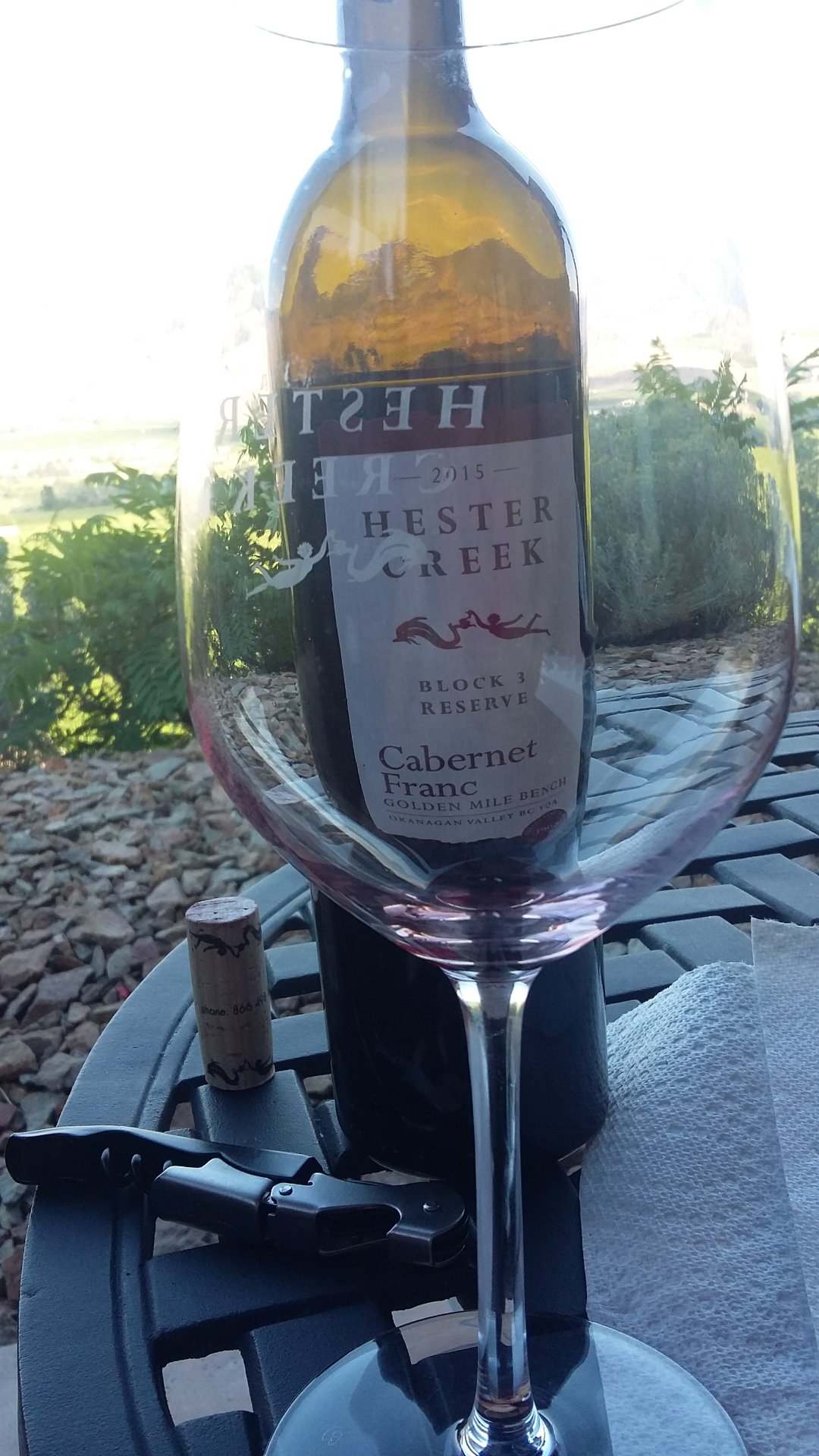
Cabernet Franc is becoming more important in the valley, and honestly, it deserves more attention.
What it tastes like:
Raspberry, cranberry
Green pepper (in a good way when balanced)
Floral spice
Why it matters:
It ripens more reliably than Cabernet Sauvignon in cooler years and adds freshness to blends.
Cabernet Franc might quietly become one of the defining reds of the Okanagan over the next decade.
Cabernet Sauvignon: The Challenge Grape
Let’s be honest, this is a tough one for the region.
Cabernet Sauvignon needs heat and a long growing season.
The Okanagan can deliver that in certain years and certain sites, but not always consistently.
What you get when it works:
Blackcurrant, cedar, dark cherry
Firm structure
Aging potential
When it doesn’t work:
Green, underripe tannins and sharp edges.
Cabernet Sauvignon is still more of a “hopeful ambition” grape in the Okanagan than a reliable star.
It can be great, but it demands perfect conditions.
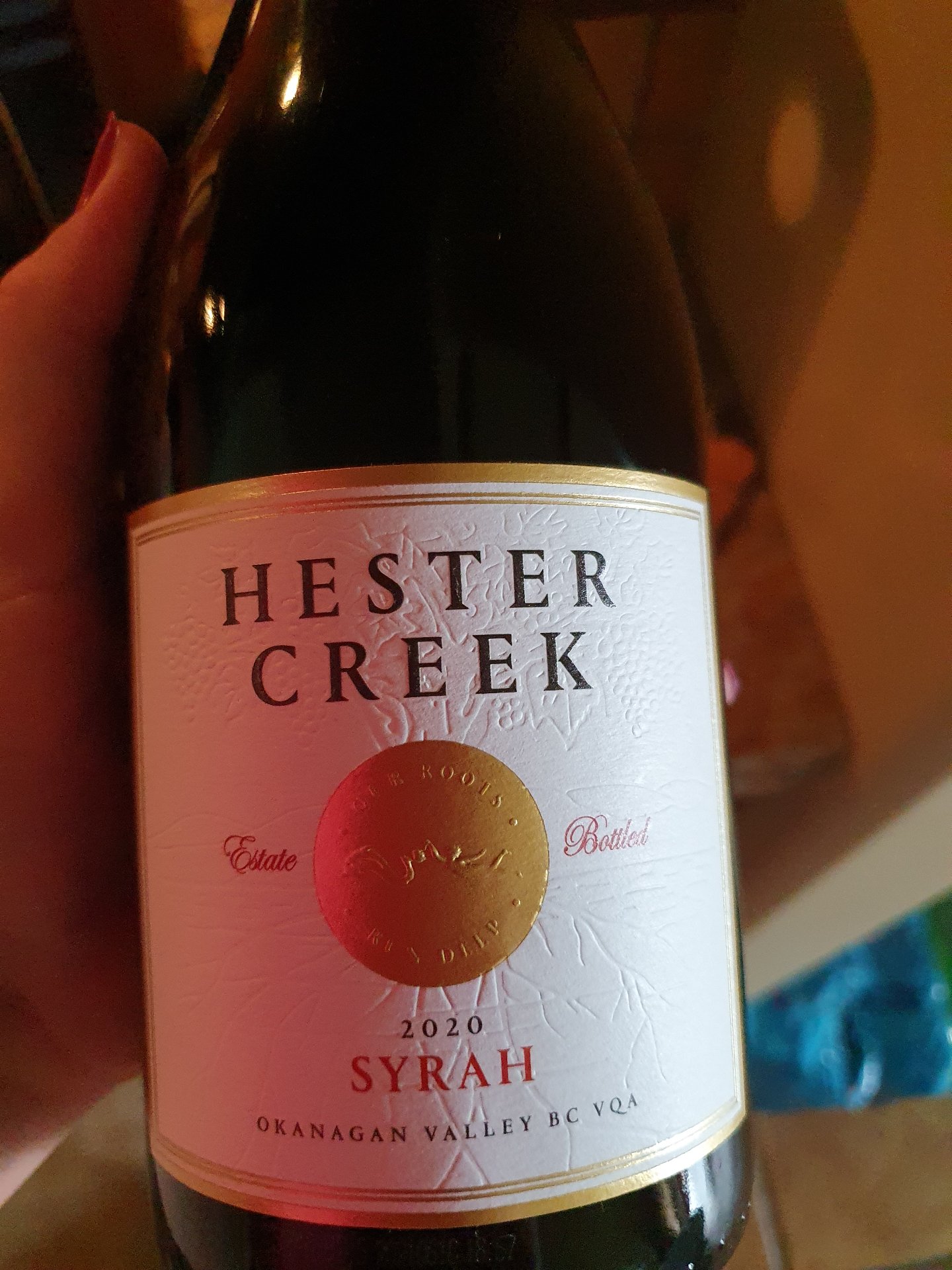
Syrah: The Dark Horse
Syrah is one of the most exciting red grapes in the valley.
Why it works:
It loves heat and handles stress well.
The Okanagan gives it exactly that.
What it tastes like:
Blackberry, plum
Black pepper
Smoked meat, violet notes
Syrah is underappreciated in the Okanagan.
Some producers are making wines that deserve far more international attention.
Gewürztraminer: Aromatic and Bold
This is one of the most expressive white grapes in the region.
What it brings:
Lychee, rose petals
Spices like ginger and clove
Low acidity but intense aroma
It’s not subtle. And that’s the point.
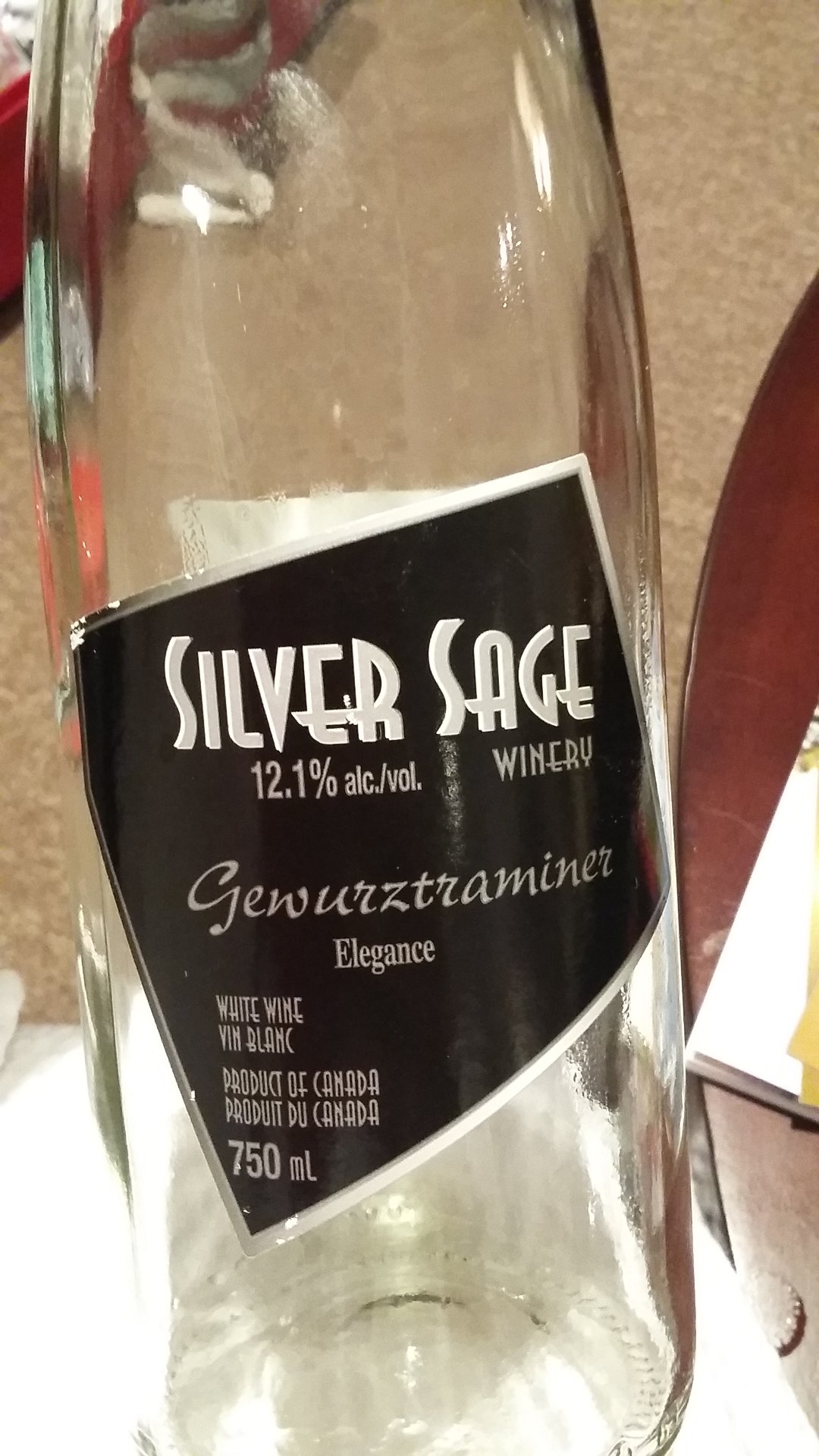
Gewürztraminer is either loved or ignored, but when it’s good, it’s unforgettable.
The Okanagan should plant more of it in cooler sites.
The Emerging Grapes: The Experimental Edge
One of the most exciting things about the Okanagan is its willingness to experiment. You’ll now find small plantings of:
Grüner Veltliner
Viognier
Tempranillo
Albariño
These are still early days, but they show where things are heading: more diversity, more climate adaptation, more personality.
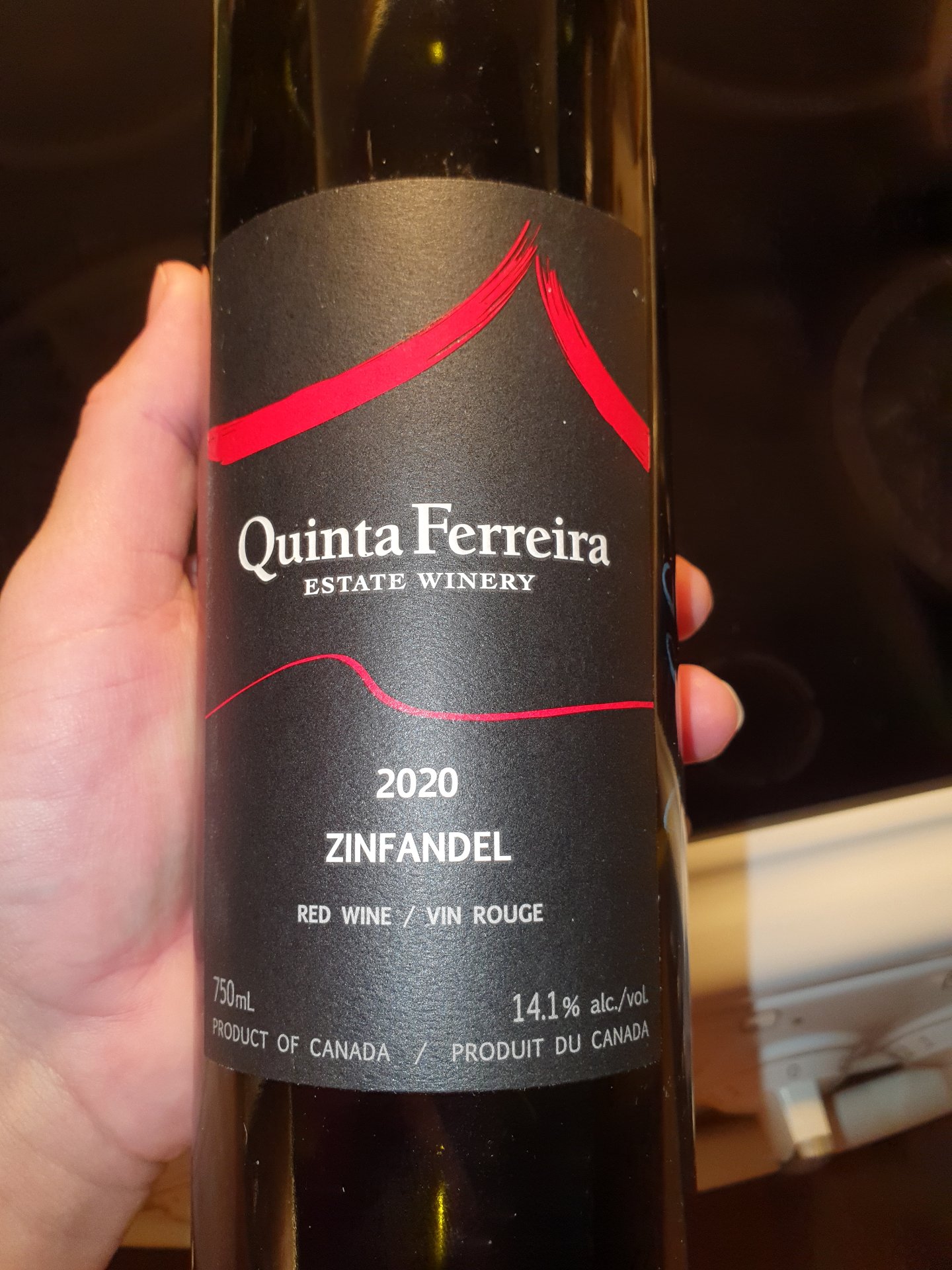
Gamay Noir, in particular, could become a signature red for the region if more producers take it seriously.
What Makes Okanagan Grapes Special
The Okanagan isn’t about one dominant grape or style.
It’s about tension, between heat and cold, ripeness and restraint, ambition and limitation.
The best grapes here share a few traits:
They handle temperature swings well
They retain acidity naturally
They express site more than technique
And that’s the real secret: Okanagan wines aren’t just made in the cellar.
They’re shaped by the land first.
If you’re exploring Okanagan wine, don’t just ask “what does it taste like?”
Ask “what grape could survive and thrive here?”
That question tells you everything.
See also: okanagan wine guide
See also: Places to Eat in Oliver
See also: Places to Eat in Oliver
See also: oliver wine country
See also: osoyoos wine country
See also: British Columbia Wine Institute
See also: Everything Okanagan