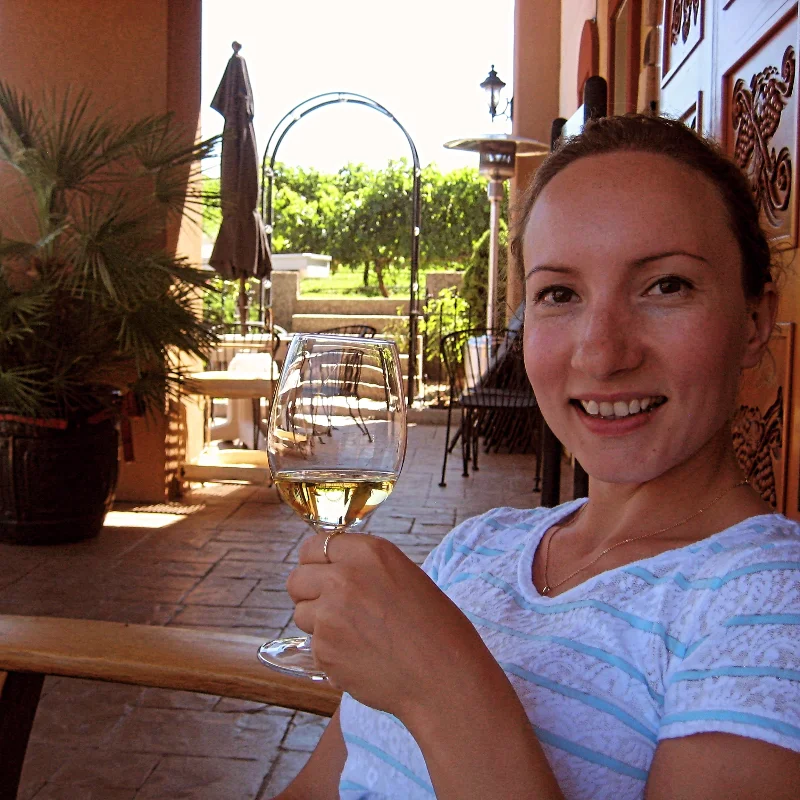
Black Hills Estate Winery: An Evening of Wine, Oysters and South Okanagan
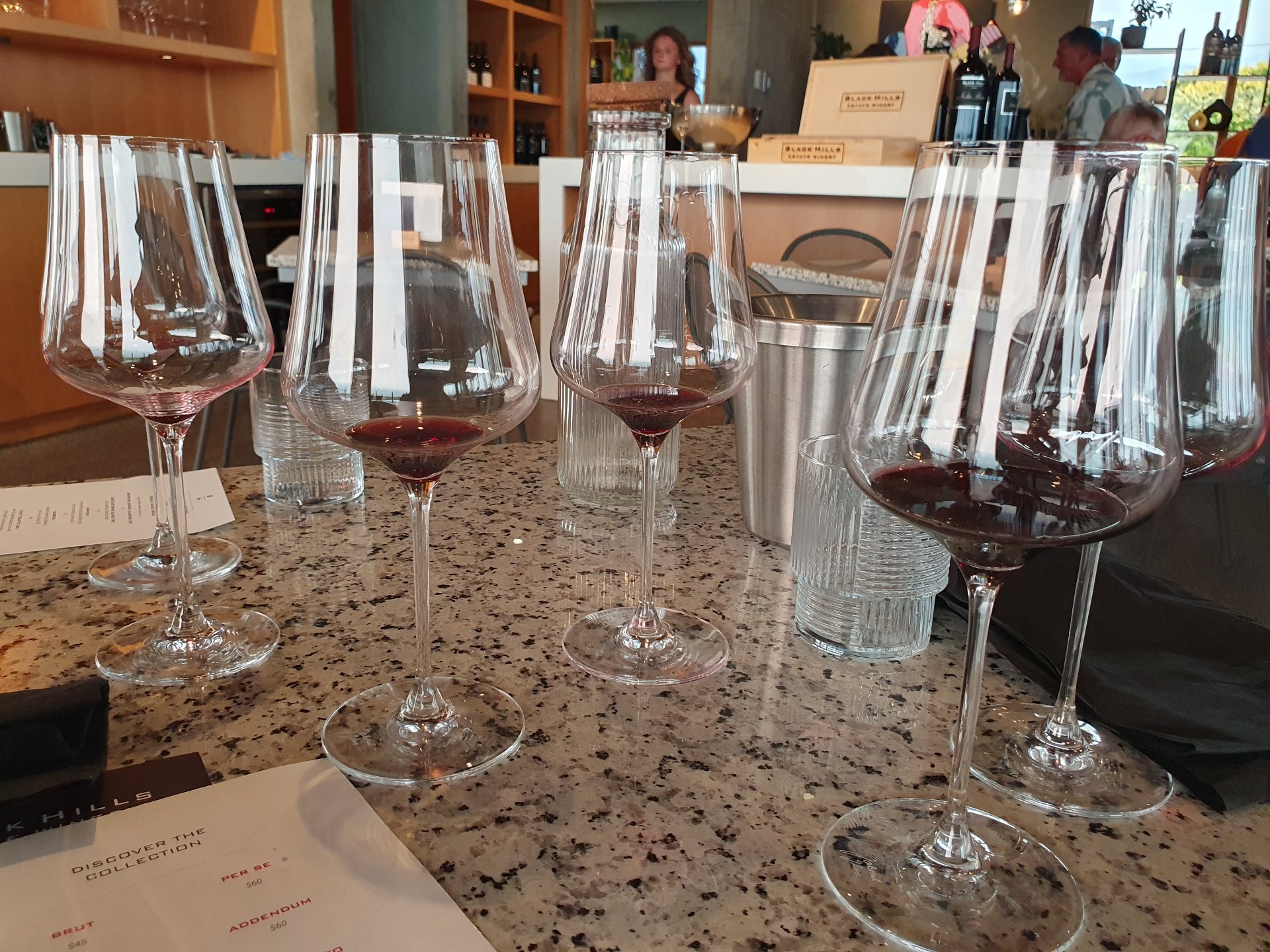
I went to Black Hills Estate Winery in Oliver to taste through the portfolio.
I ended up thinking almost as much about the oysters as I did about the wine.
That probably tells you something about the evening.
Black Hills is one of the wineries I have wanted to spend more time with.
It is one of the established names on the Black Sage Bench, and a winery that has played an important role in putting Bordeaux varieties on the map in the South Okanagan.
The winery started in 1996, when the original estate vineyards were planted.
The first Nota Bene, the flagship wine, was made in 1999, and it didn't take long for the wine to develop a cult following.
Today, Nota Bene is still the wine most people associate with Black Hills.
But this evening wasn't just about Nota Bene.
I tasted the whole portfolio, and there were a few surprises.
Thursday at Black Hills
I visited on one of Black Hills' Thursday evenings during the 2026 summer season.
The idea is pretty simple.
Wine, live music and oysters.
The kind of evening that should be spent outside with a view of the vineyards.
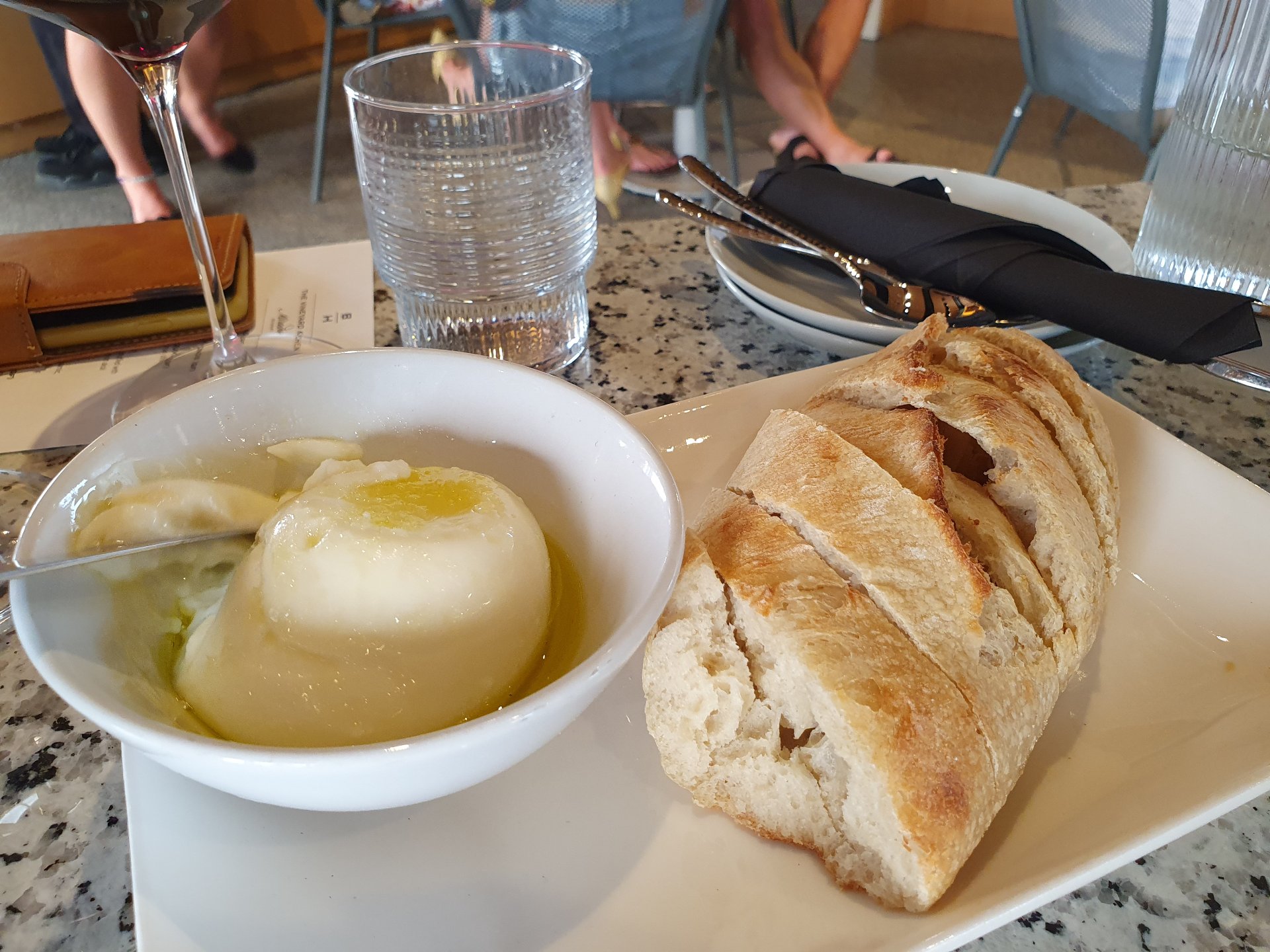
Except that the Okanagan had other plans.
There was too much smoke that day, so the event had to move indoors.
I didn't mind.
There was music playing, people drinking wine, food coming out and a relaxed atmosphere.
The staff were friendly and easygoing, and it felt more like a summer evening with friends than a formal winery event.
The Thursday series runs from June 18 to September 24, with oysters from 4 pm and live music continuing until 6:30 pm.
And the oysters?
Honestly, I think they deserve their own paragraph.
The oysters
These were fresh from Vancouver.
I have eaten oysters in many places, and these were the best oysters I have ever tasted.
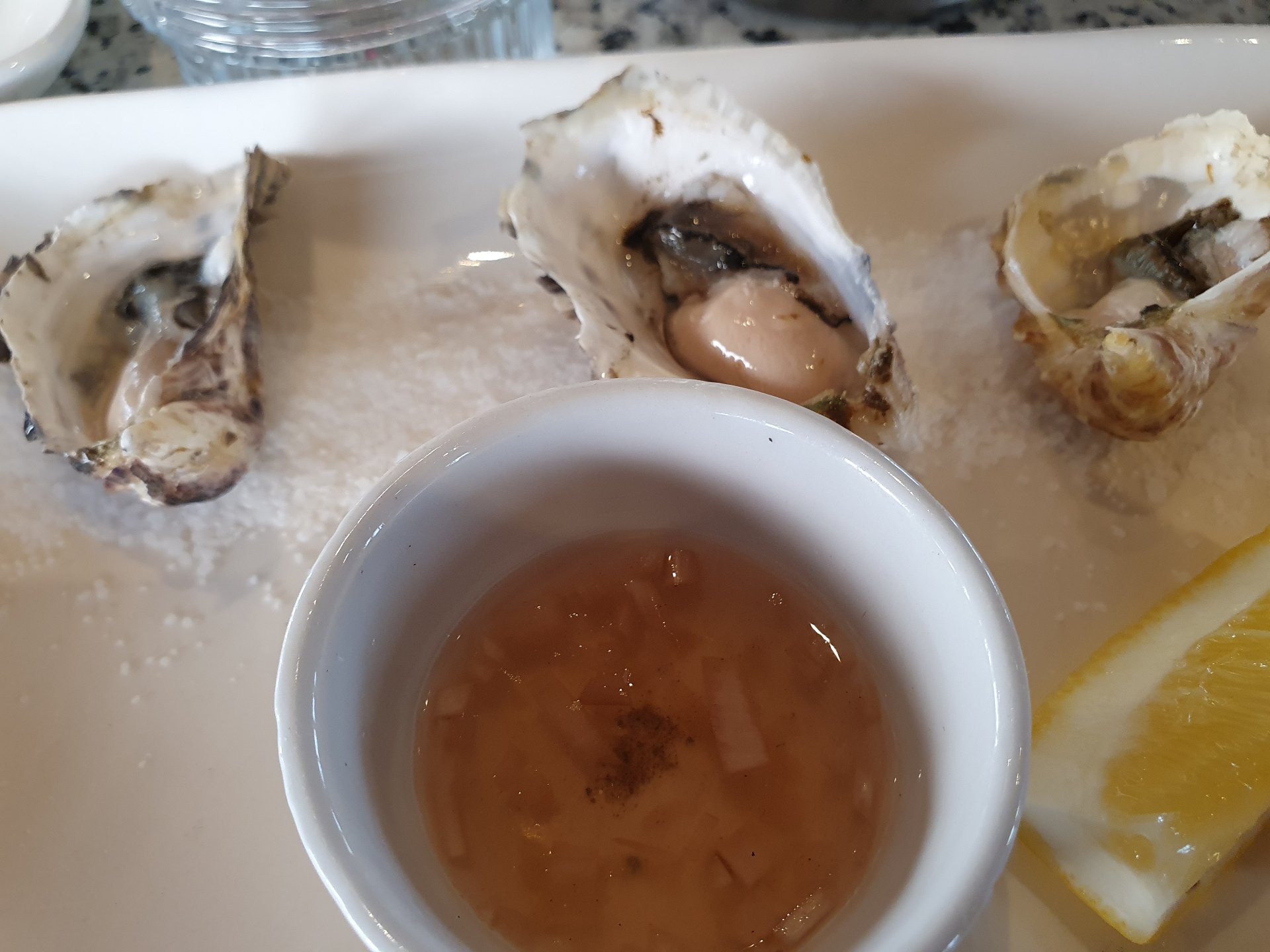
They had so much umami.
Not just the usual fresh, salty oyster flavour.
There was depth. The flavour kept going and going, and the aftertaste was incredible.
I could still feel the flavour the day after.
That doesn't happen very often.
With a glass of sparkling wine and live music in the background, it was a pretty good way to spend a Thursday afternoon.
And yes, I would go back just for the oysters.
Luckily, there are also quite a few wines worth going back for.
Starting with the bubbles
We started with the Black Hills Brut.
It is a blend of Chardonnay and Pinot Noir, made in a Champagne-style approach, with 40 months of ageing and 12 months on the lees.
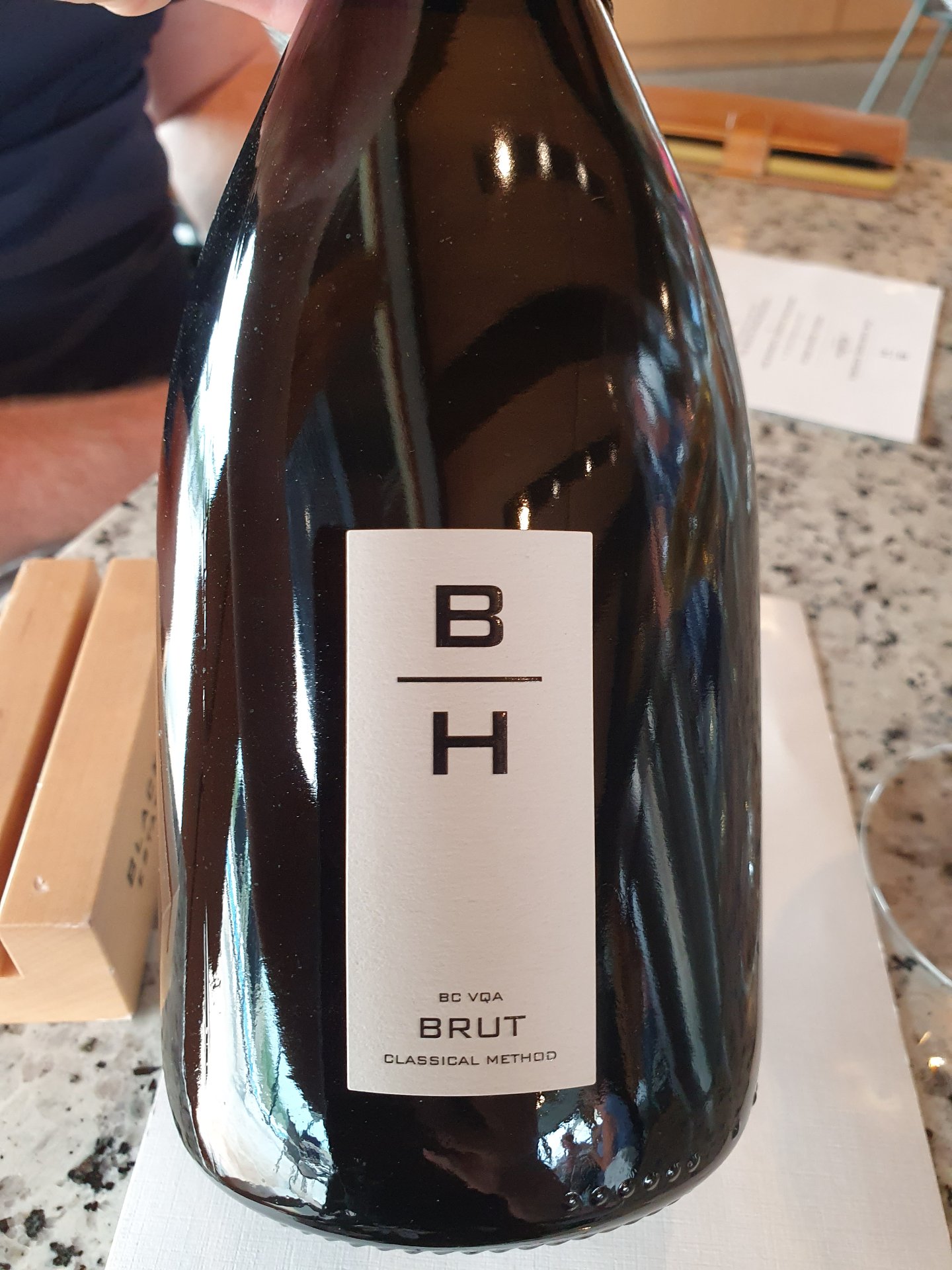
On the nose, it was quite sweet, with green apple and brioche.
On the palate, it was very zesty and refreshing.
I wouldn't call it the most elegant sparkling wine I tasted that evening.
But it was vibrant.
And sometimes that is exactly what you want.
There was a nice biscuit character on the finish, and it worked particularly well with the oysters.
I gave it 81 points.
The Sauvignon Blanc was a surprise
The Sauvignon Blanc 2025 was one of the whites I found quite interesting.
The grapes come from Hidden Terrace Vineyard, north of Oliver, high elevation, and the wine includes 8% Semillon.
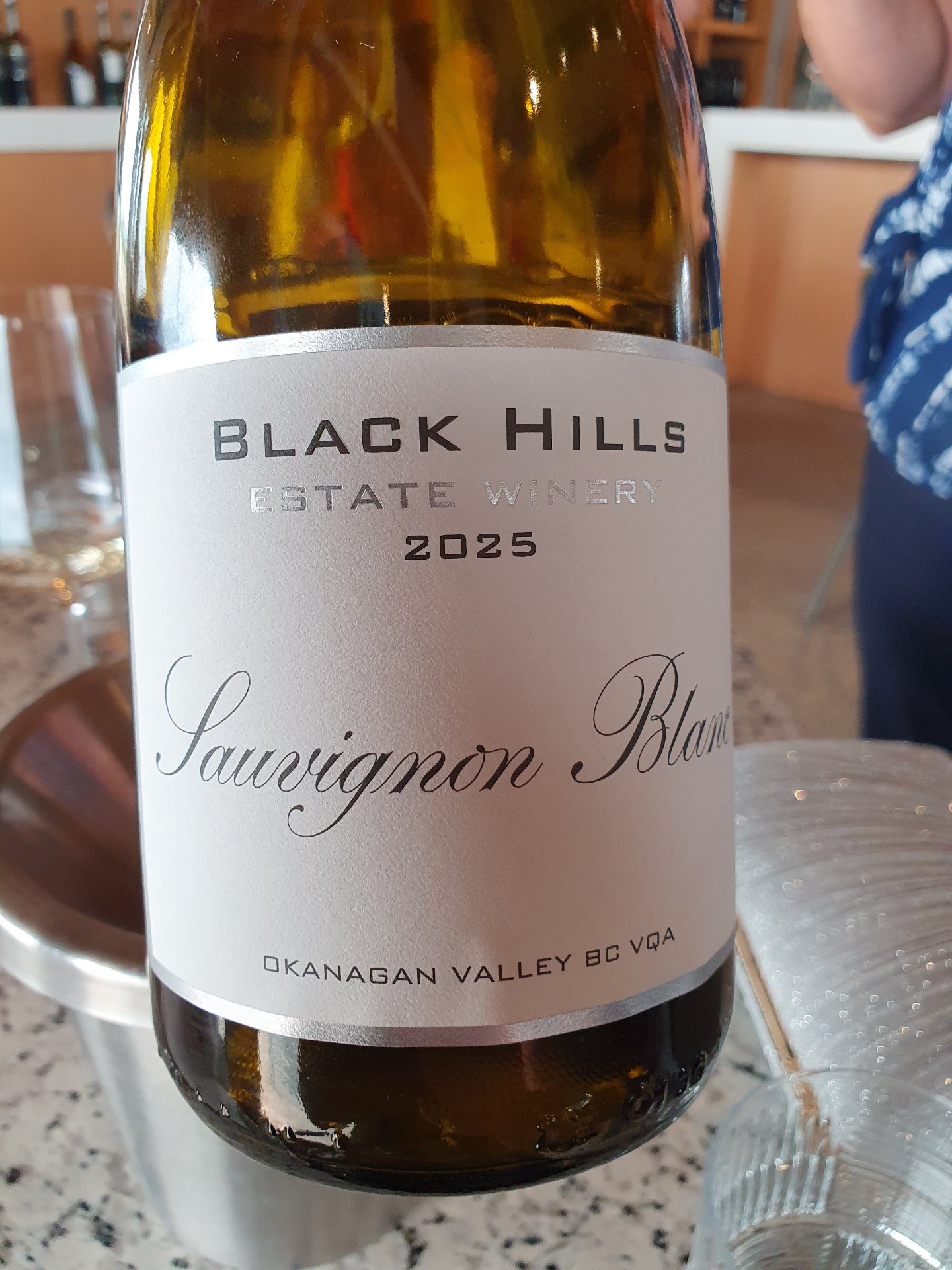
It is made in a style that reminded me more of white Bordeaux than the very aromatic Sauvignon Blancs you often find.
It was delicate.
Mineral, green apple and gooseberry came through, with just a hint of cassis.
The wine also had a very nice texture from six months on the lees.
What I liked most was that it wasn't trying too hard.
It had good acidity, but it wasn't sharp. It was elegant, balanced and quite complex, with a long finish.
84 points.
This is the kind of Sauvignon Blanc I would happily drink with food rather than simply as an aperitif.
Chardonnay 2023
The Chardonnay 2023 was another restrained wine.
It spent ten months in French oak and then finished in stainless steel.
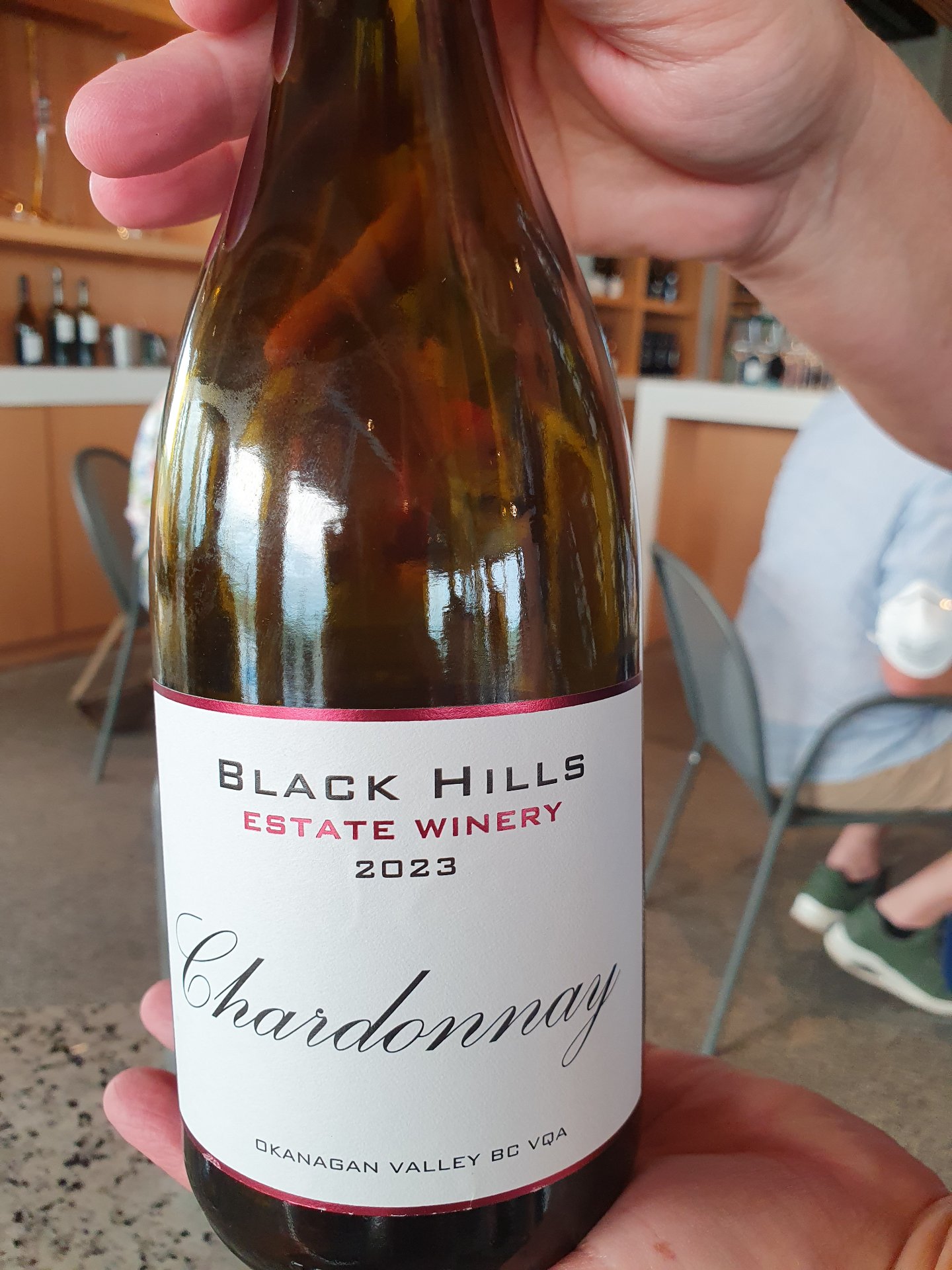
I found a green apple, a medium body and good balance.
There was oak, but not too much of it.
In fact, I noticed it more on the nose than on the palate.
That is a good thing for me.
I don't want Chardonnay to taste like a piece of oak.
I want the fruit and acidity to stay in charge.
This one did.
81 points.
Roussanne 2023
The Roussanne 2023 was one of my favourites from the white wines.
It had a beautiful nose and was quite aromatic.
There was oak, followed by a finish in concrete, and the wine had a very French feeling to it.
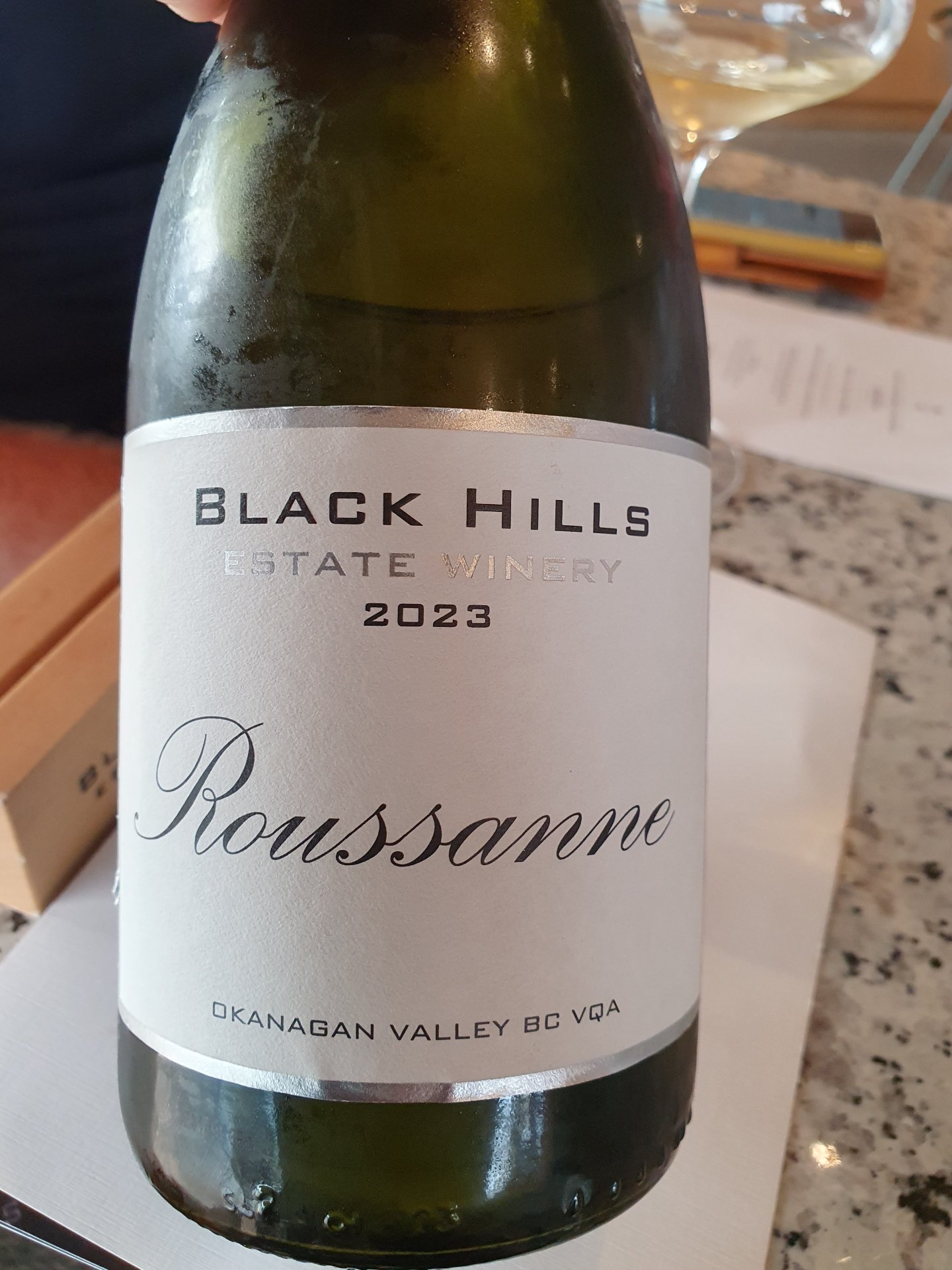
White peach.
Yellow apple.
Brioche.
A little caramel.
It wasn't particularly high in acidity, but there was enough freshness to keep the wine from becoming too heavy.
It was full-bodied and quite complex, with a lovely brioche and caramel finish.
87 points.
I wasn't expecting the Roussanne to stand out as much as it did.
However, It did.
Then came the Syrah
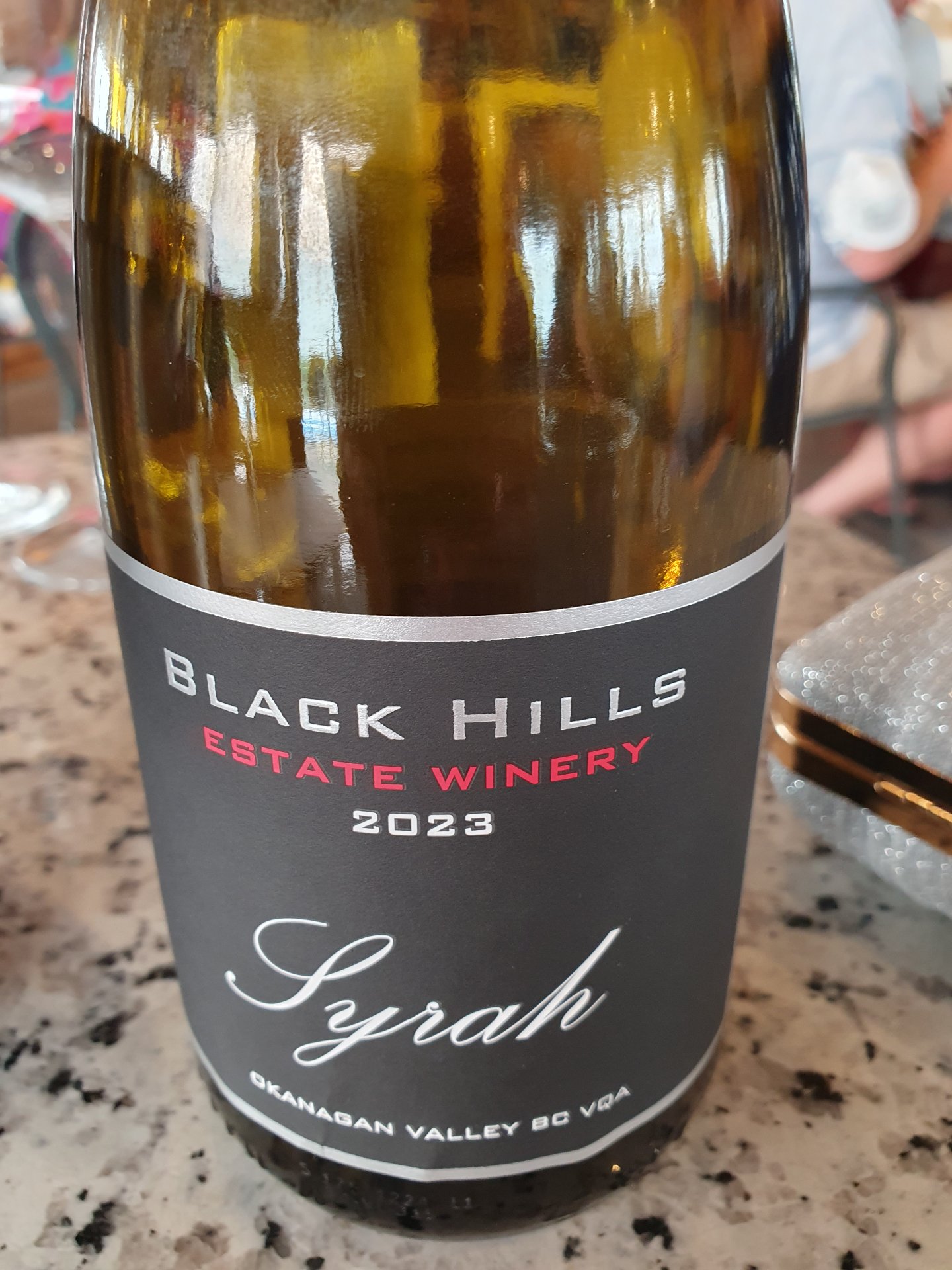
Black Hills is known for Bordeaux varieties, but the Syrah 2023 was one of the wines that really caught my attention.
Syrah likes heat.
And the South Okanagan certainly has plenty of that.
This wine had black olive, dark berries, spices and a savoury character.
I also found aronia and black pepper, especially towards the finish.
It wasn't a huge, heavy Syrah.
It had more of a light Côte du Rhône style.
Moderate acidity, moderate tannin and plenty of flavour.
There was even a little espresso on the finish.
I gave it 89 points.
This was one of my favourites of the tasting.
Merlot and Cabernet Franc
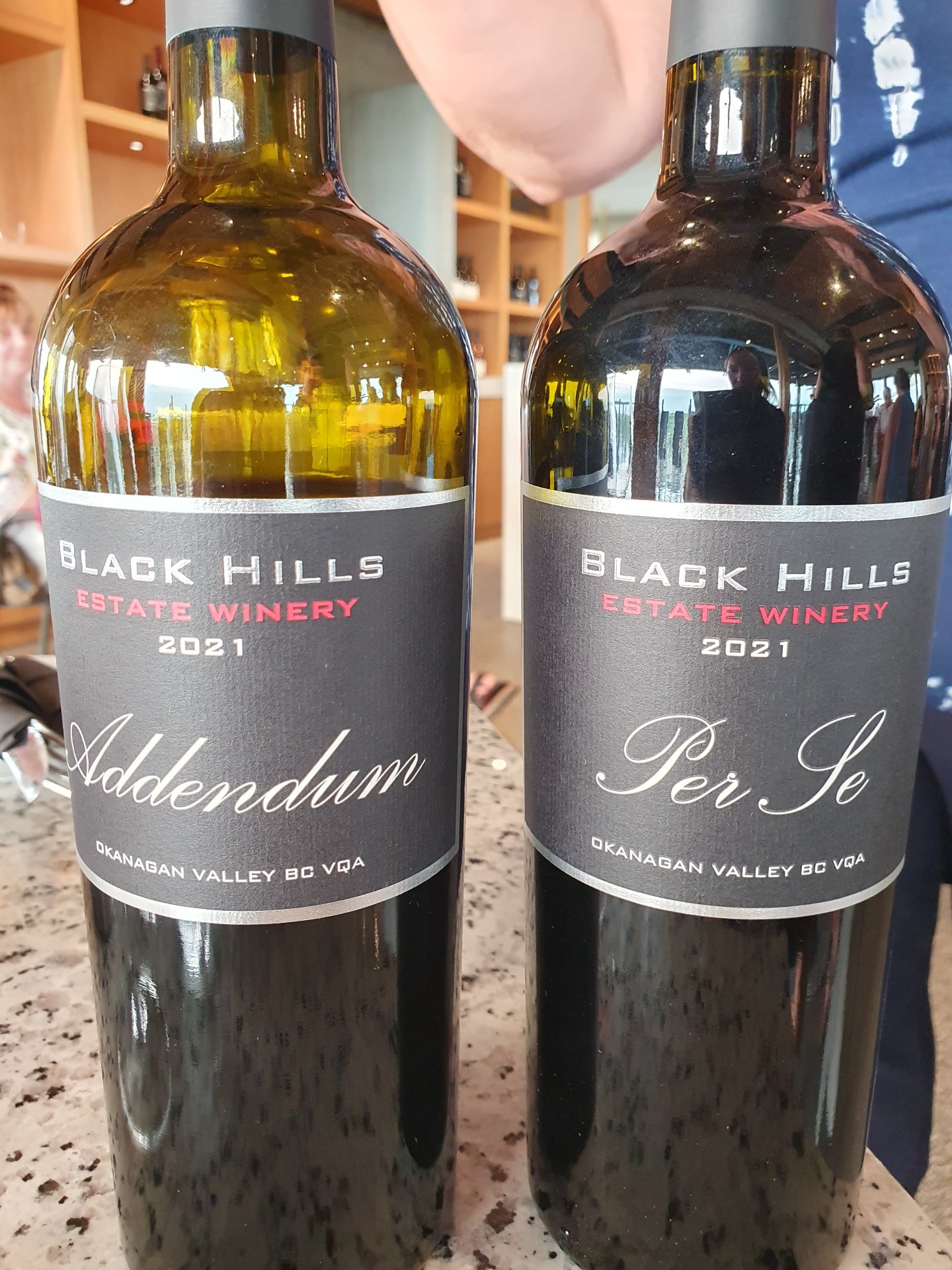
The Adendum 2021 is 85% Merlot and 15% Cabernet Franc.
For me, this was a simpler wine.
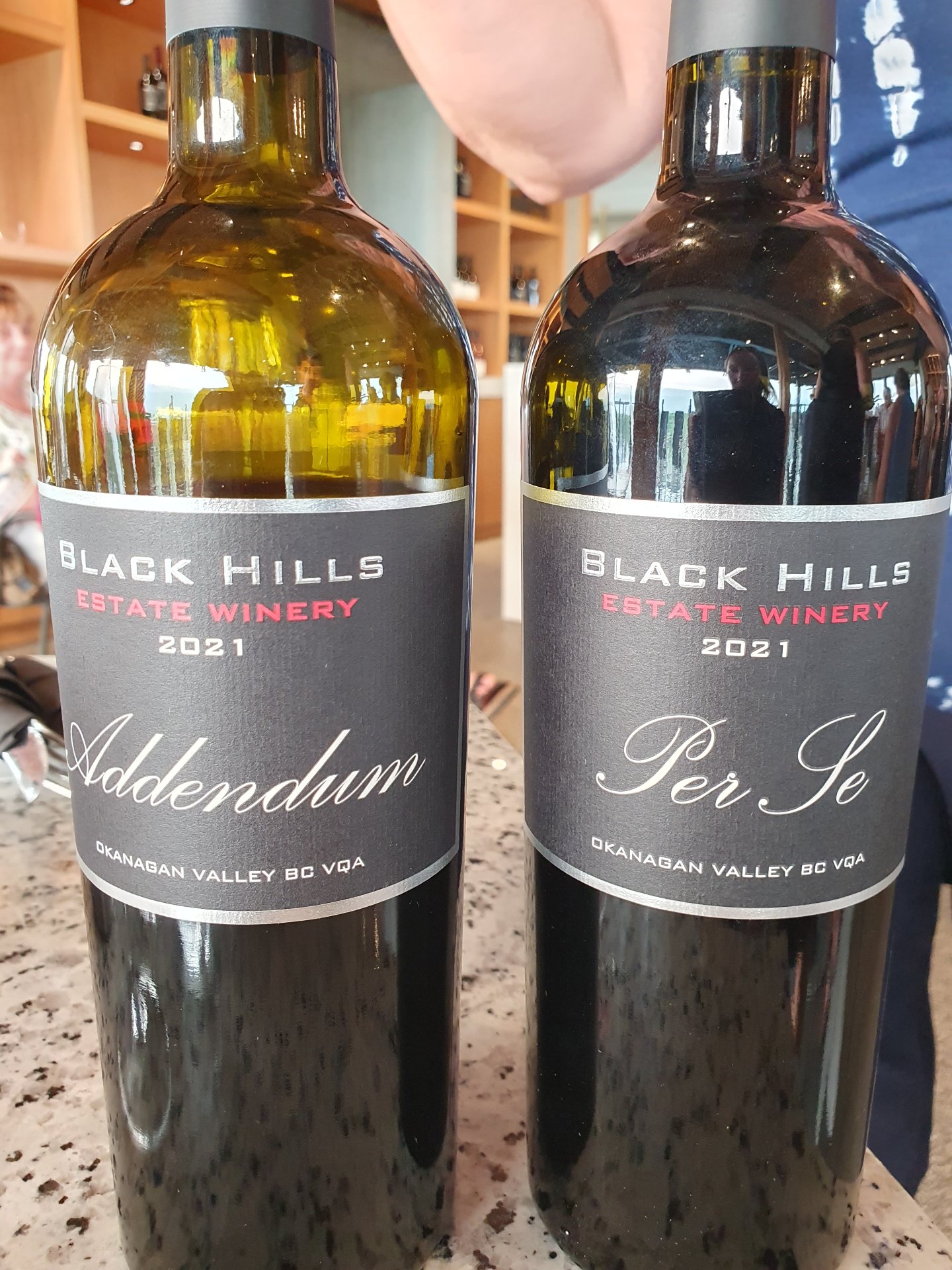
Nice Merlot character, modest and easy to drink.
There was also some smoke on the nose.
80 points.
The Per Se 2021 was more interesting.
It is 82% Cabernet Franc and 18% Merlot, with 18 months in French barriques.
2021 was a difficult year in British Columbia because of the wildfires and smoke, and there was some smoke on the nose here as well.
But I really enjoyed the wine.
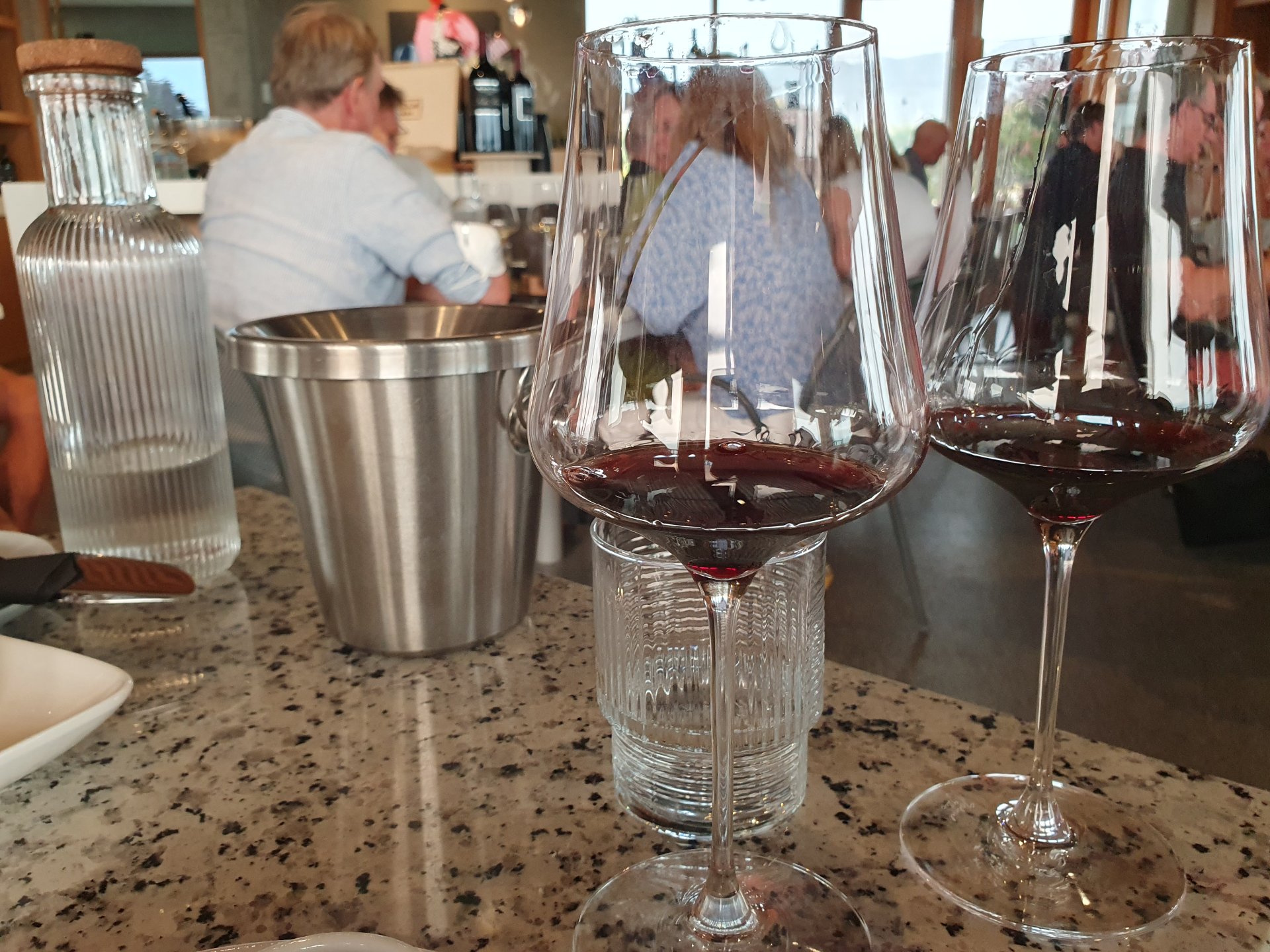
It had a nice finish, smooth texture, round tannins and good balance.
88 points.
Cabernet Franc is a variety I keep coming back to in the Okanagan.
When it works, it can give you fruit, freshness and tannin without making the wine feel heavy.
This one worked for me.
Nota Bene
Of course, we also tasted Nota Bene.
It would be impossible to visit Black Hills and not talk about it.
Nota Bene is the wine that made Black Hills famous.
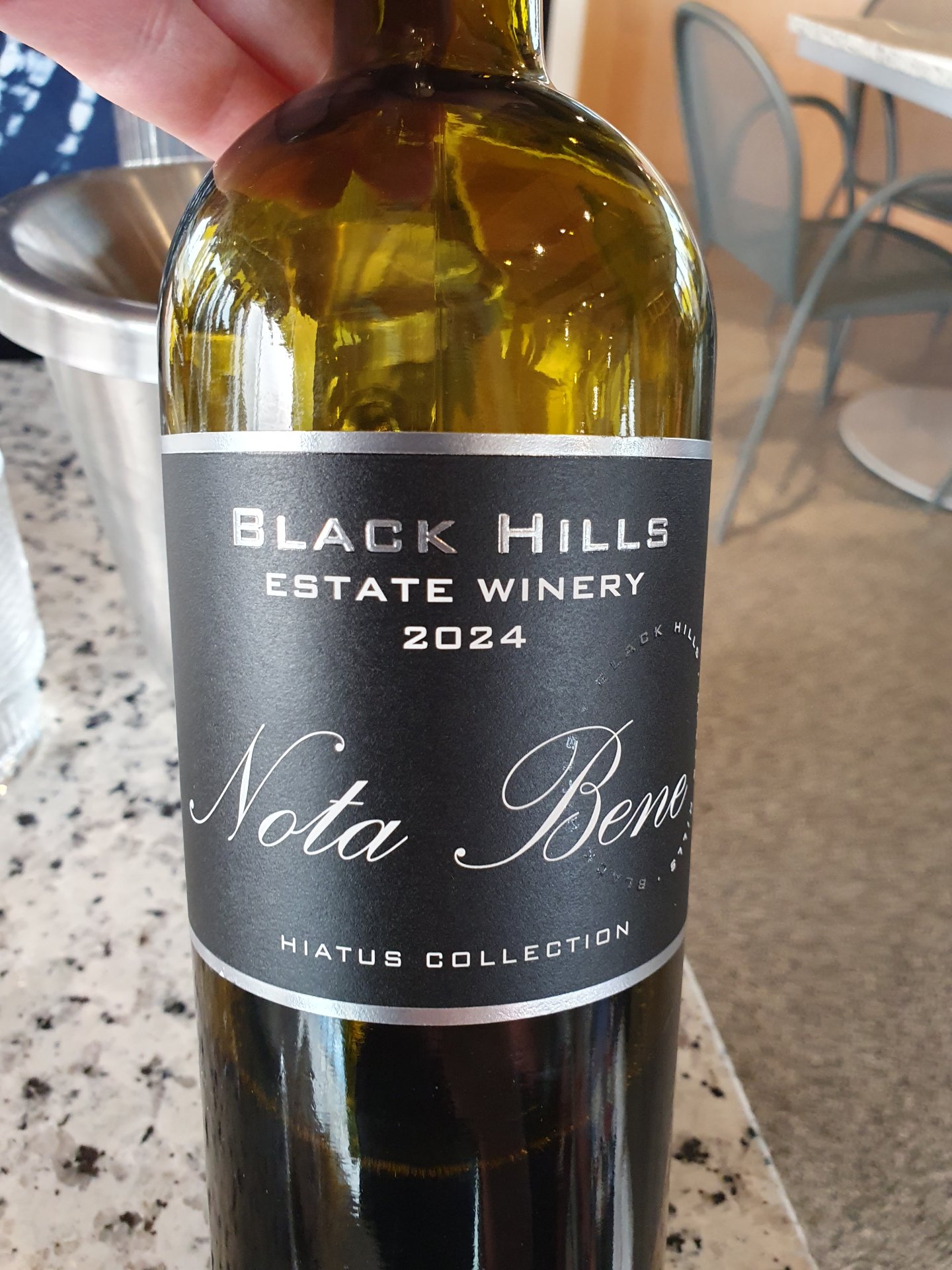
The first vintage was produced in 1999 from the original estate vineyards, planted with Cabernet Sauvignon, Merlot and Cabernet Franc in mind.
The first releases sold quickly, and by 2006 the winery says the vintage sold out in just 47 minutes.
But there is something I find interesting about Nota Bene.
The blend changes.
It isn't a wine where the winemaker is trying to make exactly the same thing every year.
The proportions depend on the vintage and the fruit.
And 2024 was a very unusual vintage.
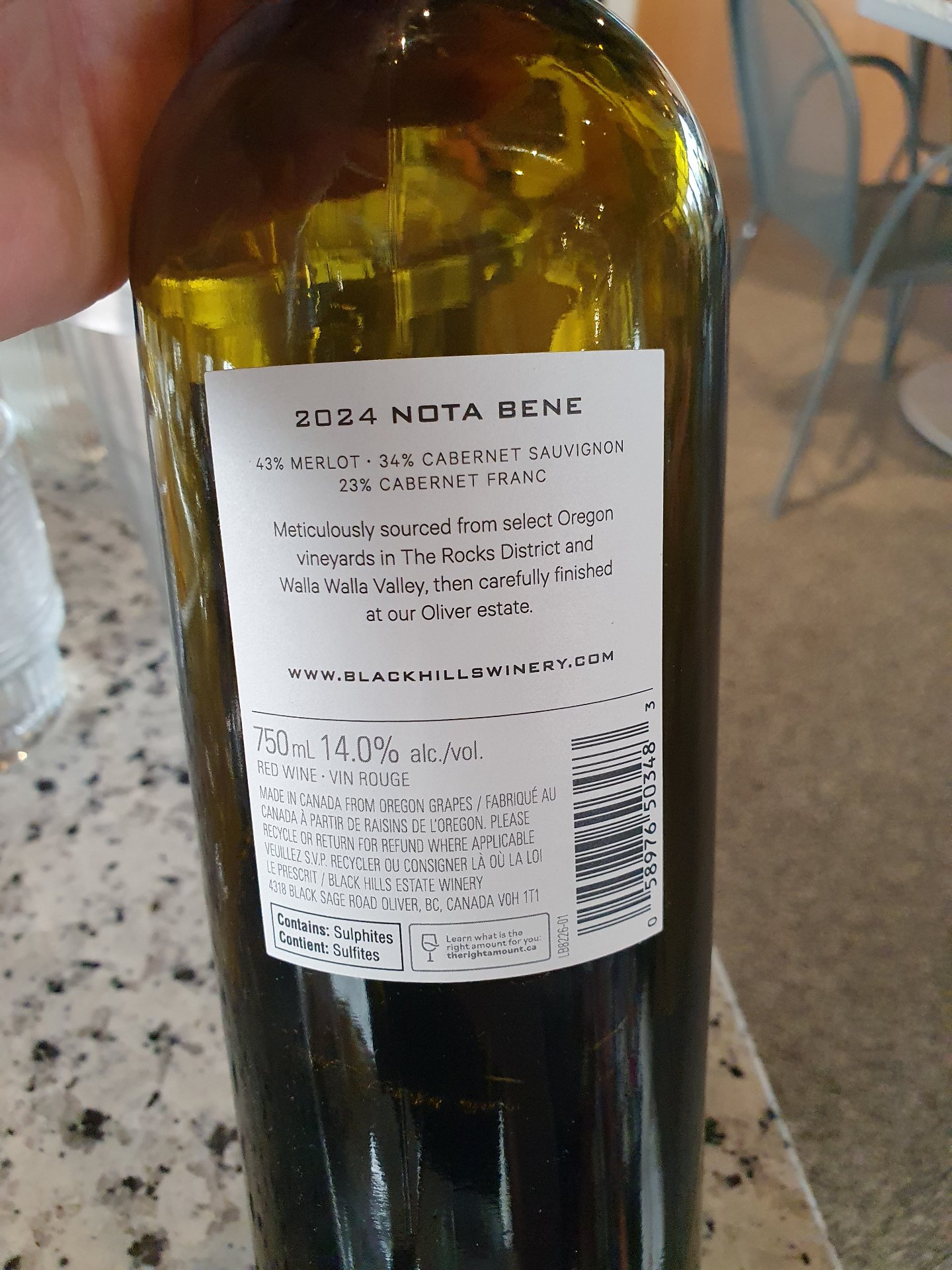
The severe winter conditions in the Okanagan meant that Black Hills, as well as many other wineries, had to source grapes from Washington's Walla Walla Valley and Oregon's Rocks District.
The 2024 wine is therefore quite different from the usual estate-grown Nota Bene.
I tasted it and found beautiful cherry fruit, round tannins and a very smooth texture.
88 points.
It was a very good wine.
But tasting it also made me think about something I find increasingly interesting in the Okanagan.
Place matters.
Ipso Facto 2024
The Ipso Facto 2024 was made from Syrah and Cabernet Sauvignon from Washington's Columbia Valley.
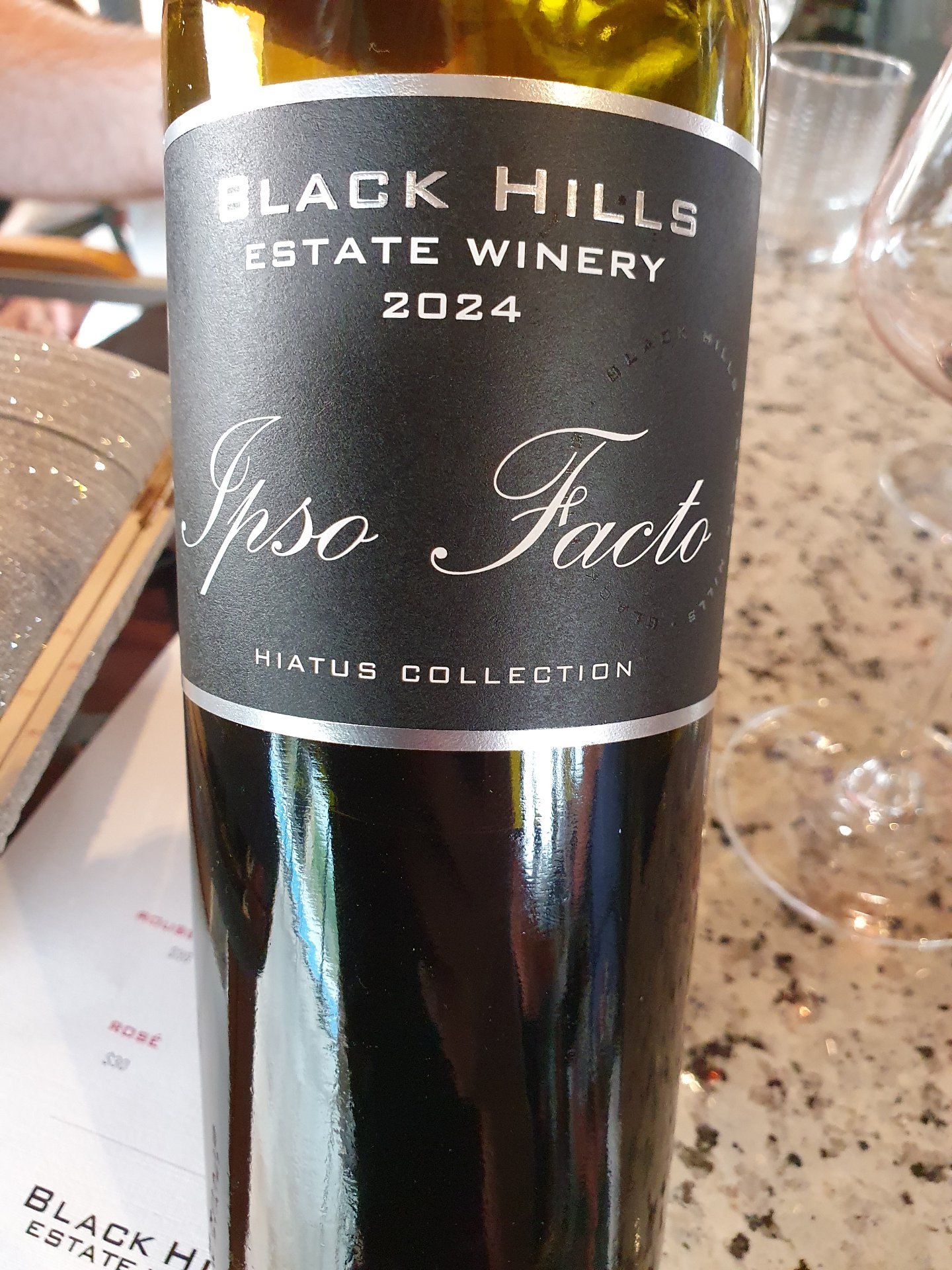
There was plenty of crushed berry fruit.
The texture was velvety.
88 points.
I missed something here.
For me, it didn't have quite the same complexity or acidity that I find in the better wines from the Okanagan.
And that comparison was interesting.
It wasn't necessarily about which wine was better.
It was about how different the fruit can feel when it comes from a different place.
After spending so much time tasting Okanagan wines, I have become increasingly interested in that difference.
What surprised me about Black Hills
Before this tasting, I mainly thought of Black Hills as a Bordeaux winery.
And, of course, Bordeaux varieties are still a huge part of the story.
But the portfolio is much broader than that.
There is Sauvignon Blanc and Semillon.
Chardonnay.
Roussanne.
Viognier.
Syrah.
Merlot.
Cabernet Franc.
They planted Tempranillo two years ago!
And, of course, the famous Nota Bene.
The wines don't all have the same personality either.
The Sauvignon Blanc was delicate and mineral.
The Roussanne was rich and textured.
The Syrah was savoury and spicy.
The Cabernet Franc blend was smooth and elegant.
And Nota Bene remains the serious red that Black Hills has built its reputation around.
That variety is what I found most interesting.
Black Hills is part of the Okanagan story
Black Hills was one of the wineries that saw the potential of the Black Sage Bench early.
Today, that potential doesn't need much explanation.
The Black Sage Bench is one of the most important vineyard areas in the South Okanagan, with its hot, dry climate and long growing season.
Black Hills' vineyards are right in the middle of that environment.
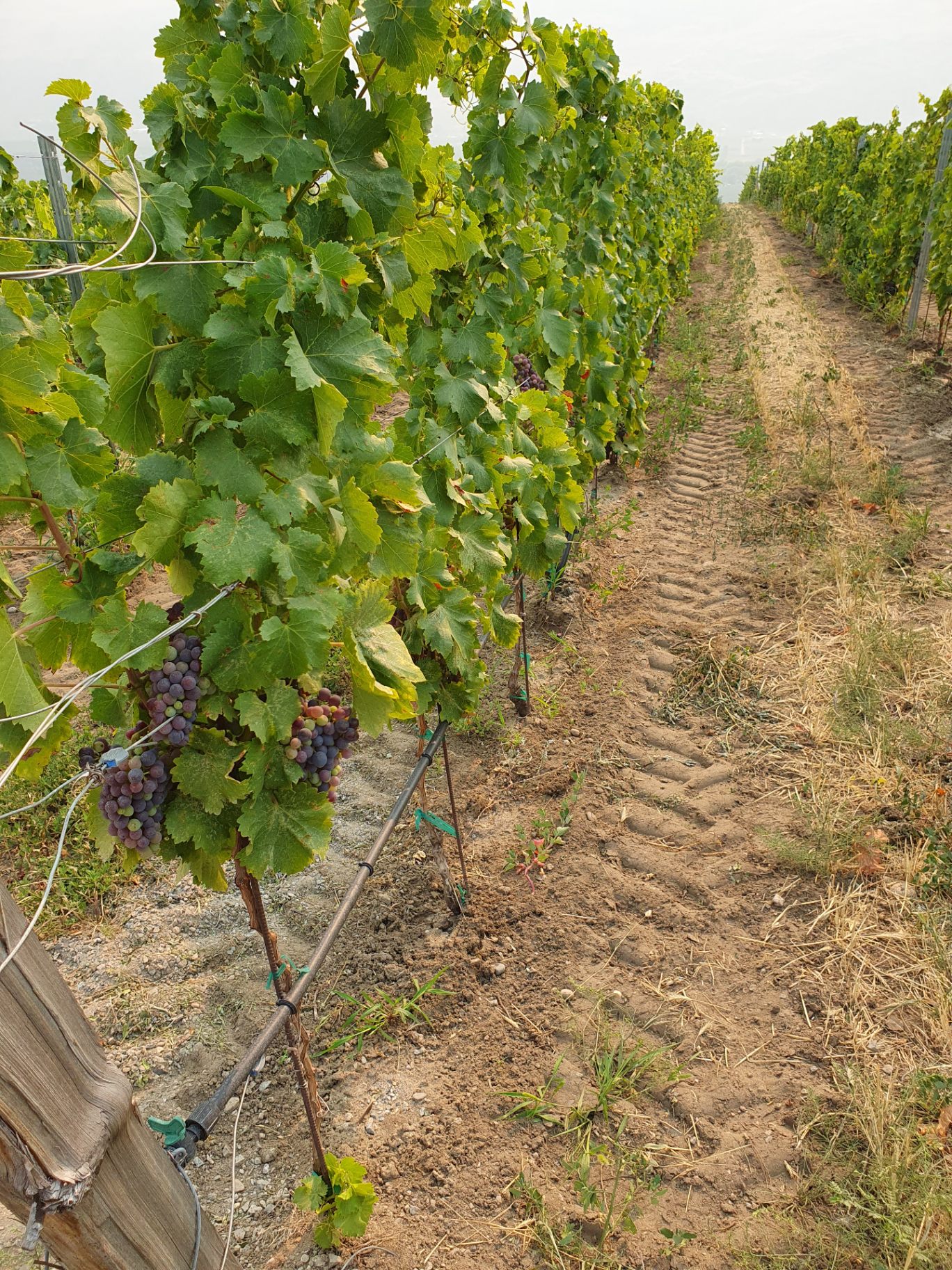
The winery describes the site as having long sunny days and cool nights, with desert conditions that suit structured reds as well as other varieties.
And you can taste the heat in some of these wines.
But what I liked was that the wines weren't all about ripeness.
The better ones still had freshness.
That balance is important in a climate like this.
Would I go back?
Yes.
And next time I hope the smoke stays away so I can sit outside.
I want the view of the Black Sage Bench.
I want the music.
I want a cold glass of sparkling wine.
And, obviously, I want the oysters.
But I would also go back to taste the wines again.
The Syrah surprised me.
The Roussanne did as well.
The Sauvignon Blanc was much more elegant than I expected. Very European.
And tasting Nota Bene alongside wines made from grapes grown outside the Okanagan made me think again about how much the place itself contributes to the wines.
That is what I enjoy most about visiting wineries here.
You can read about the Okanagan all day.
You can taste the wines at home.
But then you come here, sit among the vineyards, taste the wines where they were made and suddenly some of the things you've been reading about start to make sense.
That is what happened to me at Black Hills.
The wine was the reason I came.
The oysters made me want to stay.
See also: Places to Eat in Oliver
See also: okanagan wine guide
See also: Best Wineries Okanagan Valley
See also: Black Hills Winery